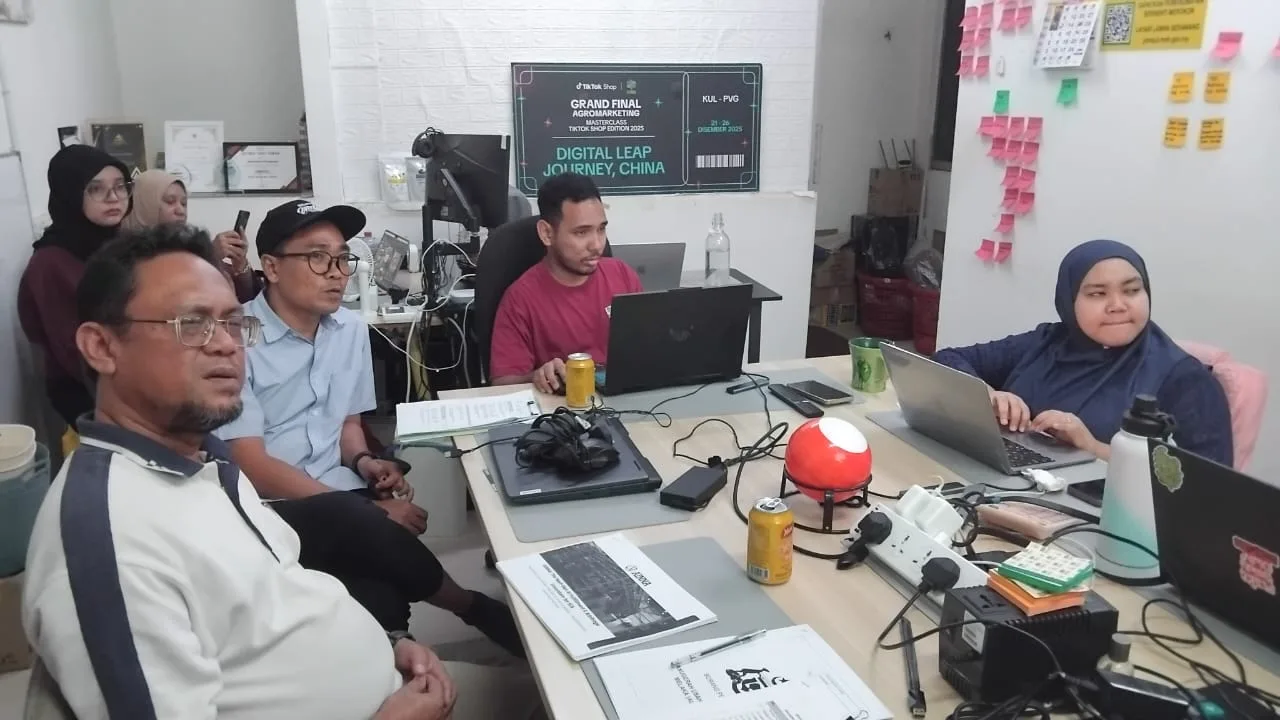
Good update from the lab.
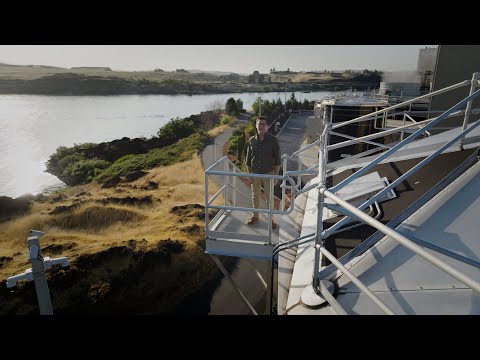
Yesterday my team at AINNA hosted representatives from UPEN Melaka (Melaka Keadaan Economic Perancangan Unit) and SIRIM Melaka. The Director of SIRIM Melaka, Mr. Kamarulzaman bin Ahamad Zainudin, joined the visit and brought a sharp systems-level perspective to the discussion.
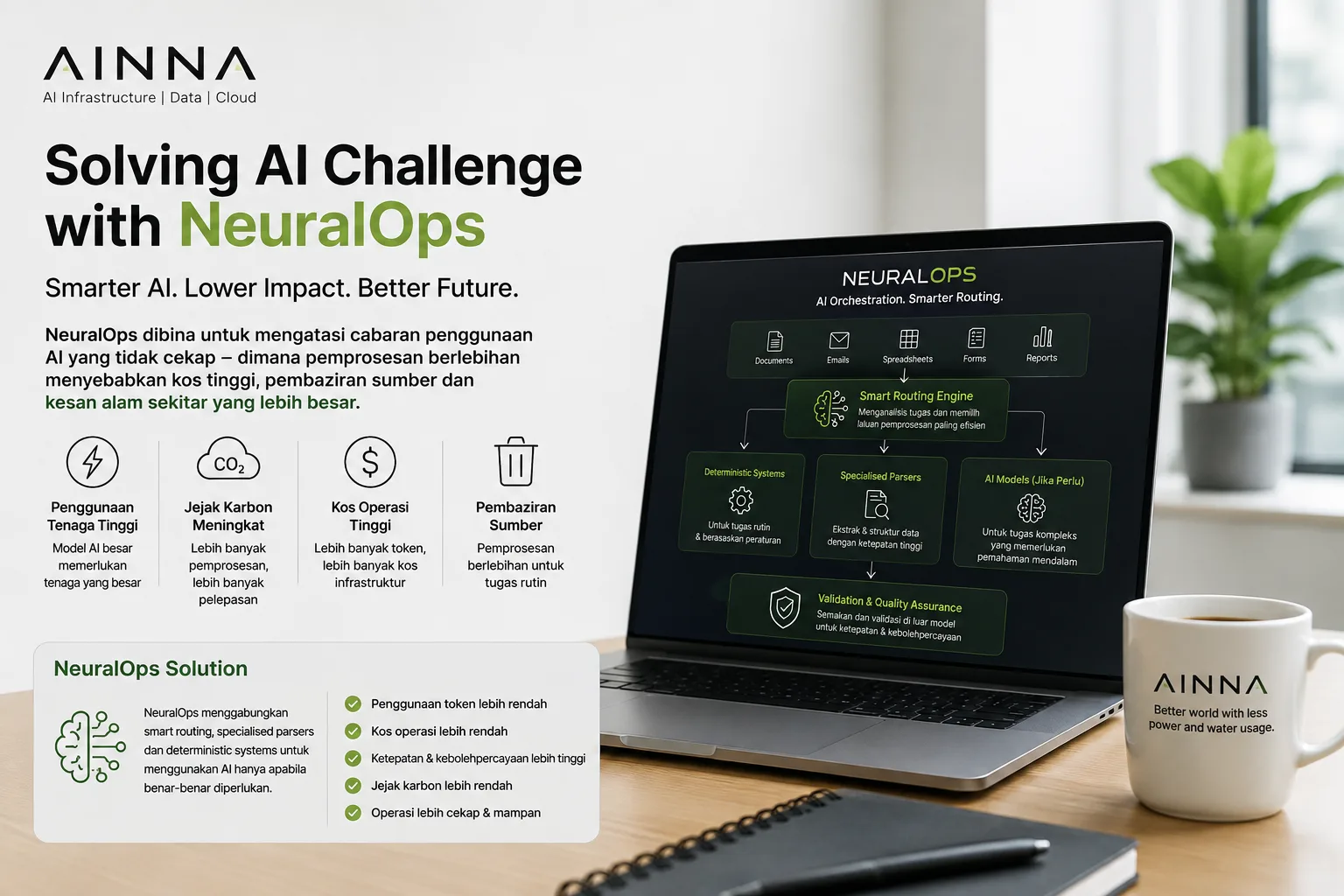
The visit was part of the evaluation process for the Melaka Keadaan Usahawan Award. We used the session to present the latest build of AINNA NeuralOps-our next-generation AI architecture built to make AI more efficient, reliable, and practical for real-world deployment.
What made the session genuinely useful was that it was not a one-way slide deck. It turned into a real engineering conversation, strengthened by the SIRIM Director’s more than 20 years of leadership experience within SIRIM.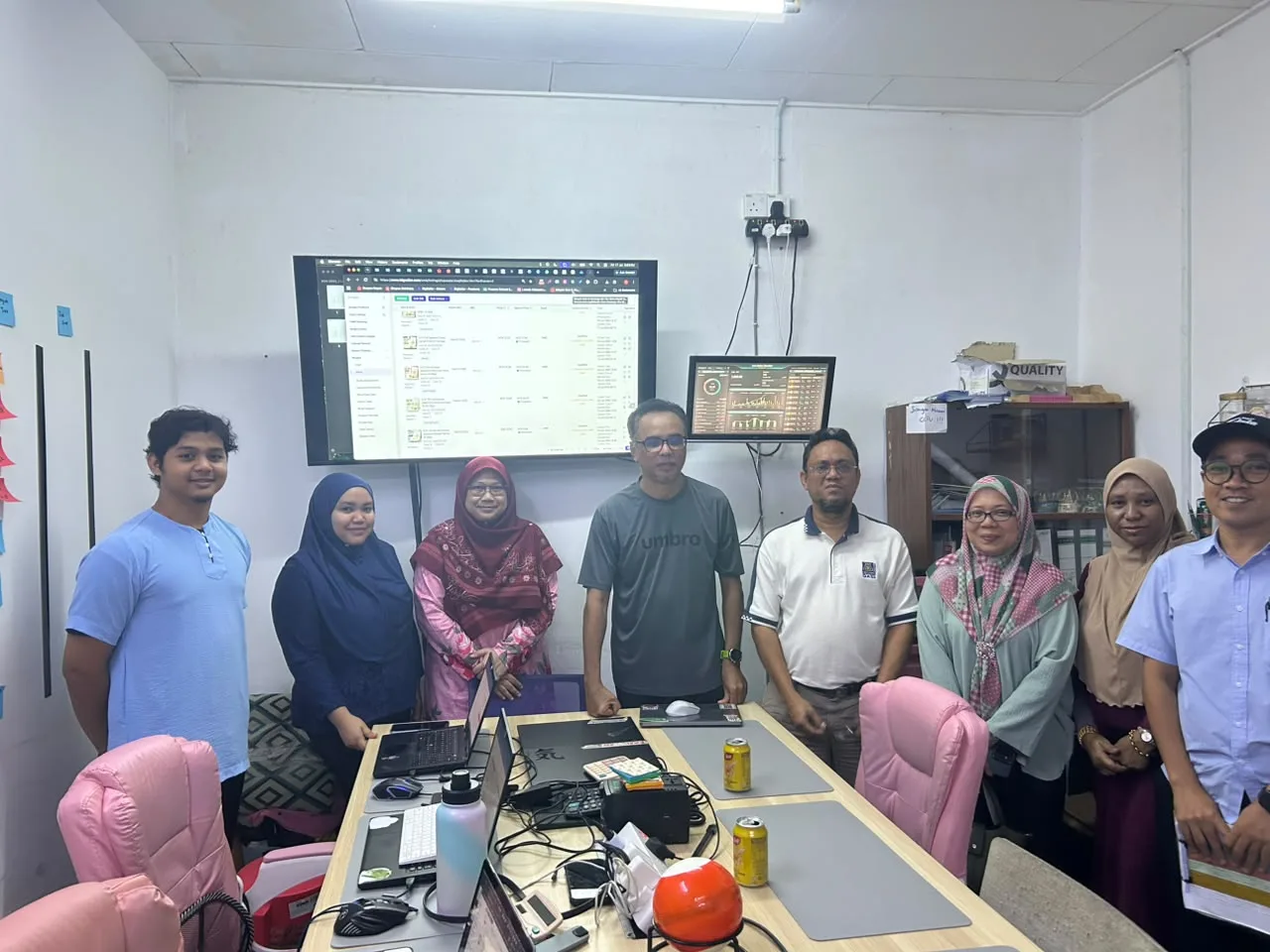
One of the strongest recommendations was to anchor every NeuralOps component to an Atomic Clock as the trusted time source. When all detached systems, services, parsers, and AI agents sync to a single high-precision time reference, you get tighter reliability, better event consistency, cleaner auditability, and stronger overall system integrity.
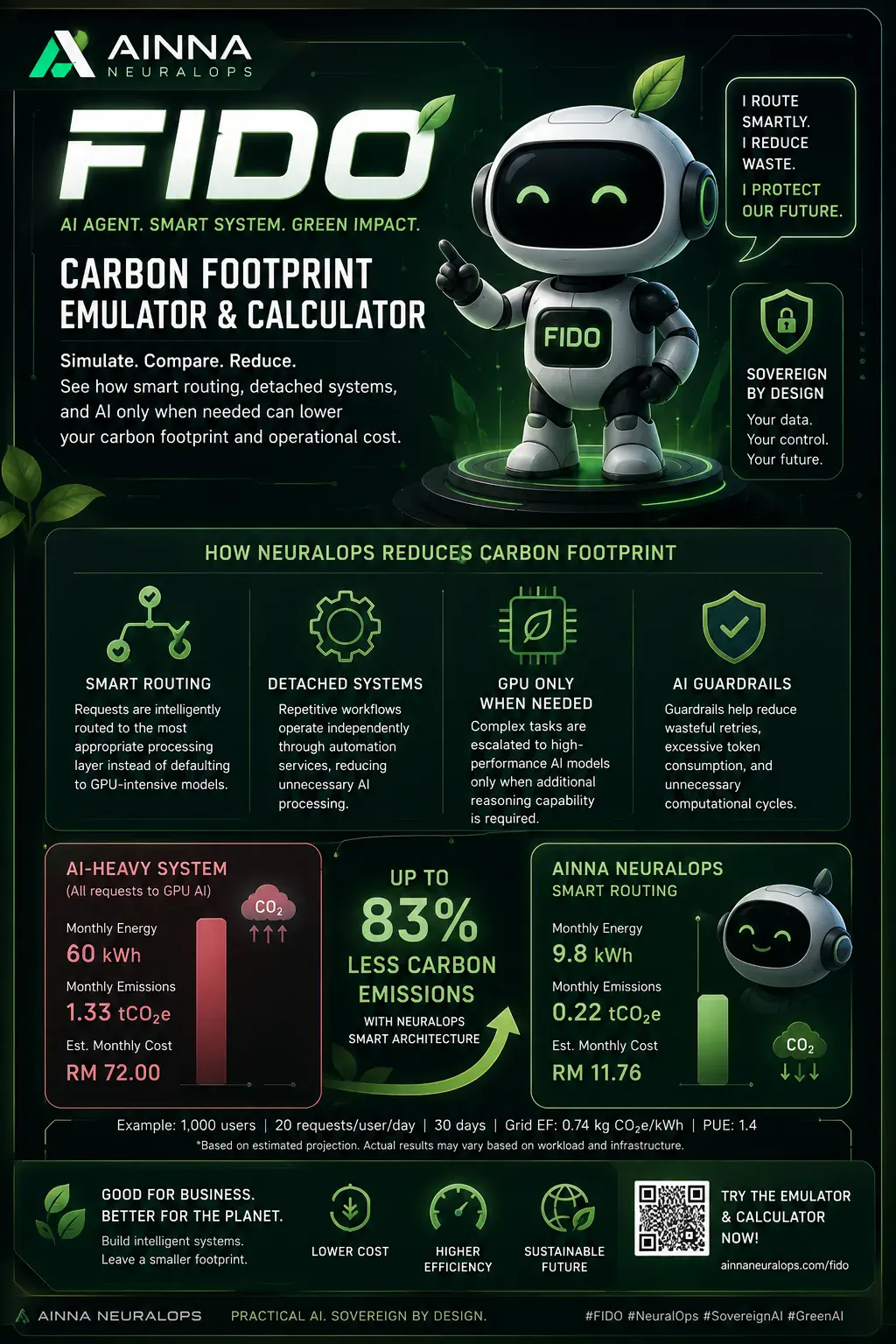
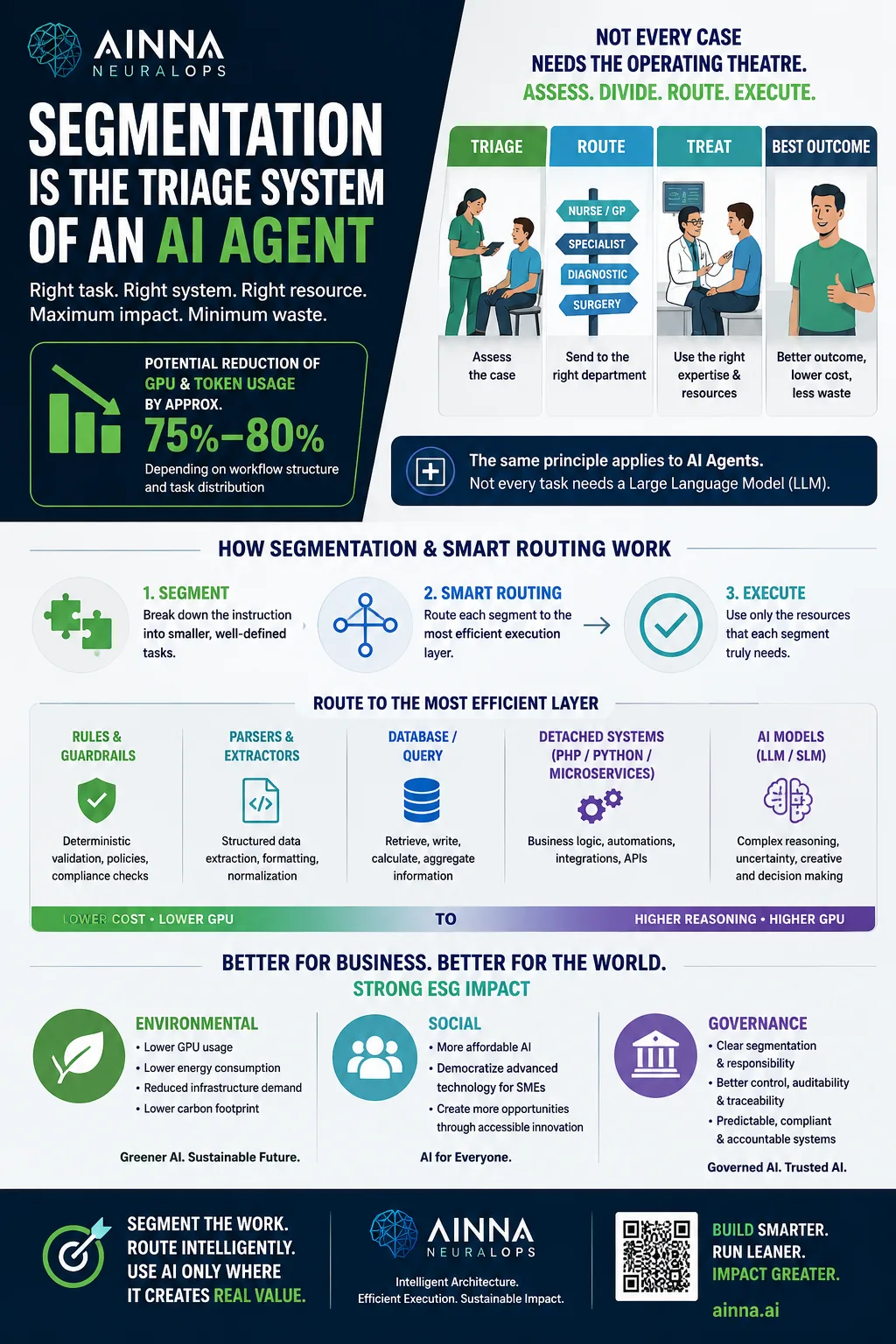
We also demonstrated how the NeuralOps architecture can handle optimized workloads using only around 10% of the GPU compute typically required by conventional AI systems. By combining Sistem Berasingan, Smart Routing, parsers and guardrails, the GPU is engaged only when it genuinely adds value, while deterministic processes run outside the LLM.
For applicable workloads, this can reduce GPU-compute energy consumption by up to 90%. Using a conservative estimate of 1,000 active users averaging 50 AI requests per day, NeuralOps could save approximately 459 kWh of electricity per month, equivalent to cutting around 340 kg of CO₂e emissions every month, or more than 4 tonnes annually. Actual results will vary depending on workload, AI models, infrastructure and energy sources.
From my perspective, the future of AI is not about throwing bigger models or more GPUs at the problem. It is about building smarter architectures that deliver the same or better outcomes with significantly lower cost, lower energy consumption and a much lebih kecil environmental footprint.
Appreciate the support as we push this forward. Being selected would give us serious momentum heading into three major pitching sessions in the coming weeks.
My thanks to UPEN Melaka and SIRIM Melaka for the visit, the honest technical feedback, and the actionable insights. The next evolution of AINNA NeuralOps will be better because of it.













Ruang pembaca
Apa pendapat anda?
Komen disemak sebelum diterbitkan. Email diperlukan untuk moderasi dan tidak dipaparkan kepada pembaca.
90% से सहमत हूँ और दिशा साफ़ है।
The bit about yesterday my team at AINNA is what I keep coming back to.
The figures on good update from the lab make more sense than most posts.
Read this twice. save approximately 459 459 k is what stayed with me.