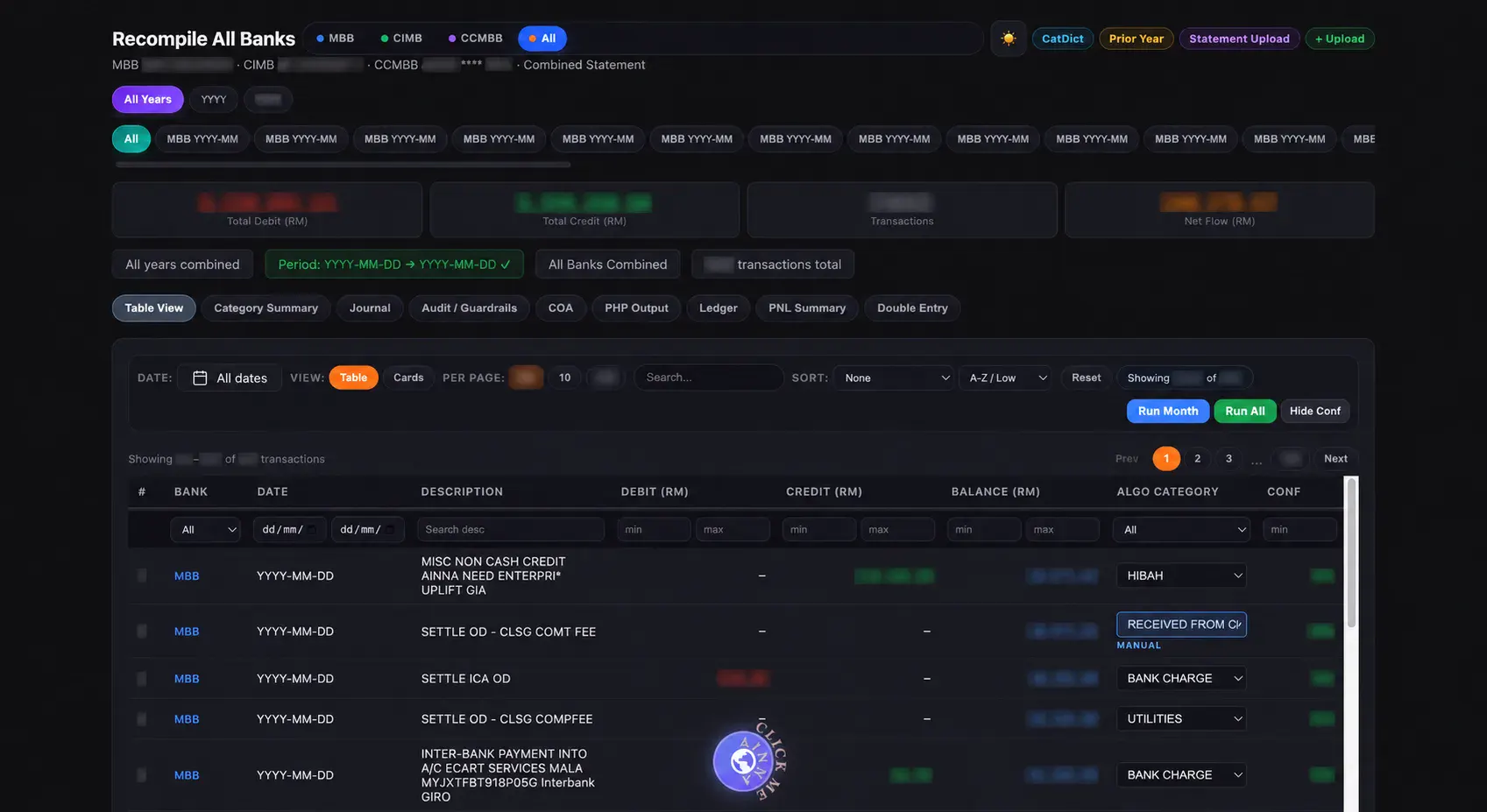
When I build a document-processing pipeline, AI is one component in the stack - not the entire architecture.
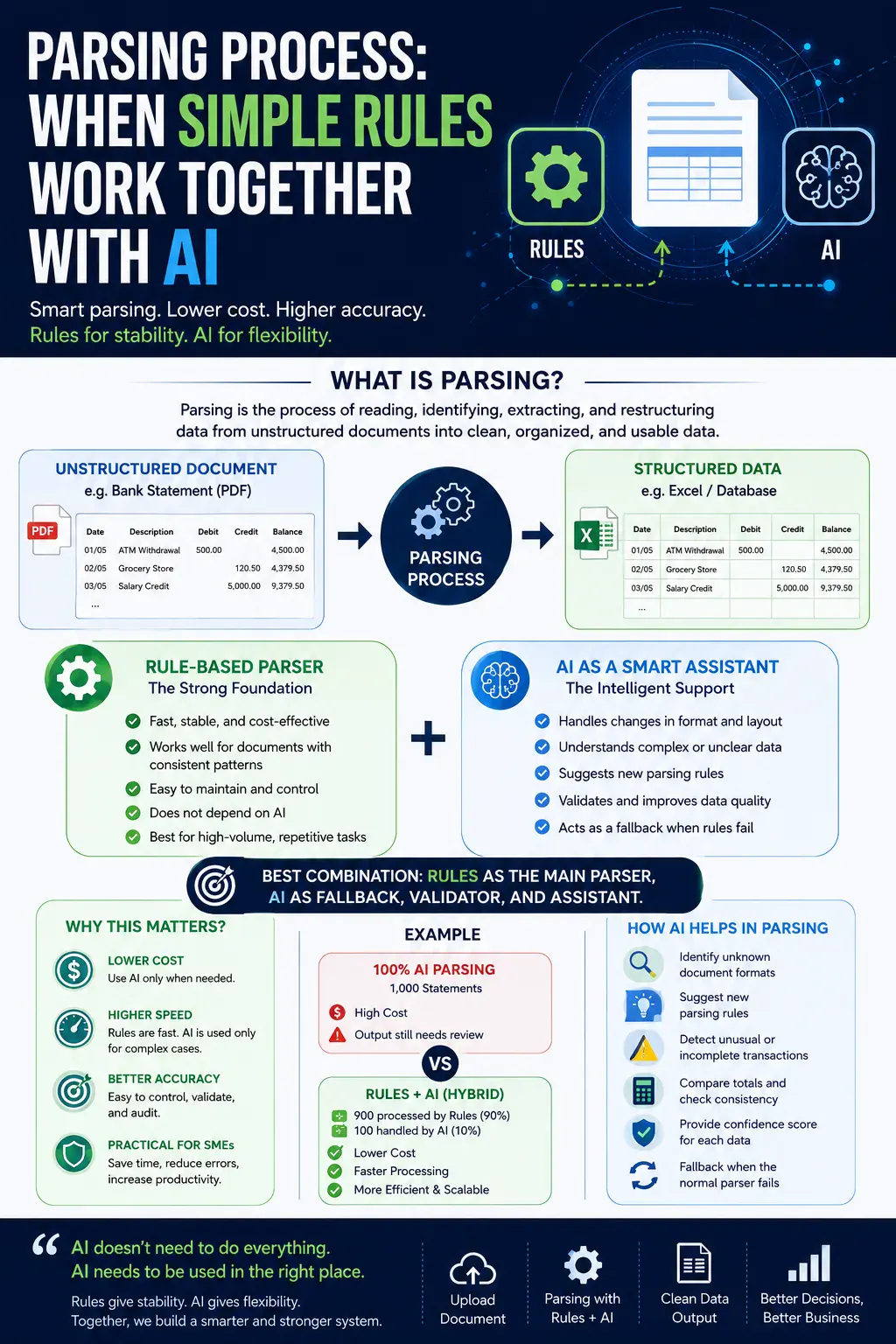
Take bank-statement PDF-to-digital conversion. In the field, I would rather ship a deterministic system: rule-based parsing, fixed output schemas, validation gates, full audit trails, and an LLM or CV model called only as a fallback for edge cases.
The output is deterministic, reviewable, and can be reconciled line-by-line against the original statement. You are not handing a black-box model the whole document and hoping the numbers come back right.
Why this matters in production:
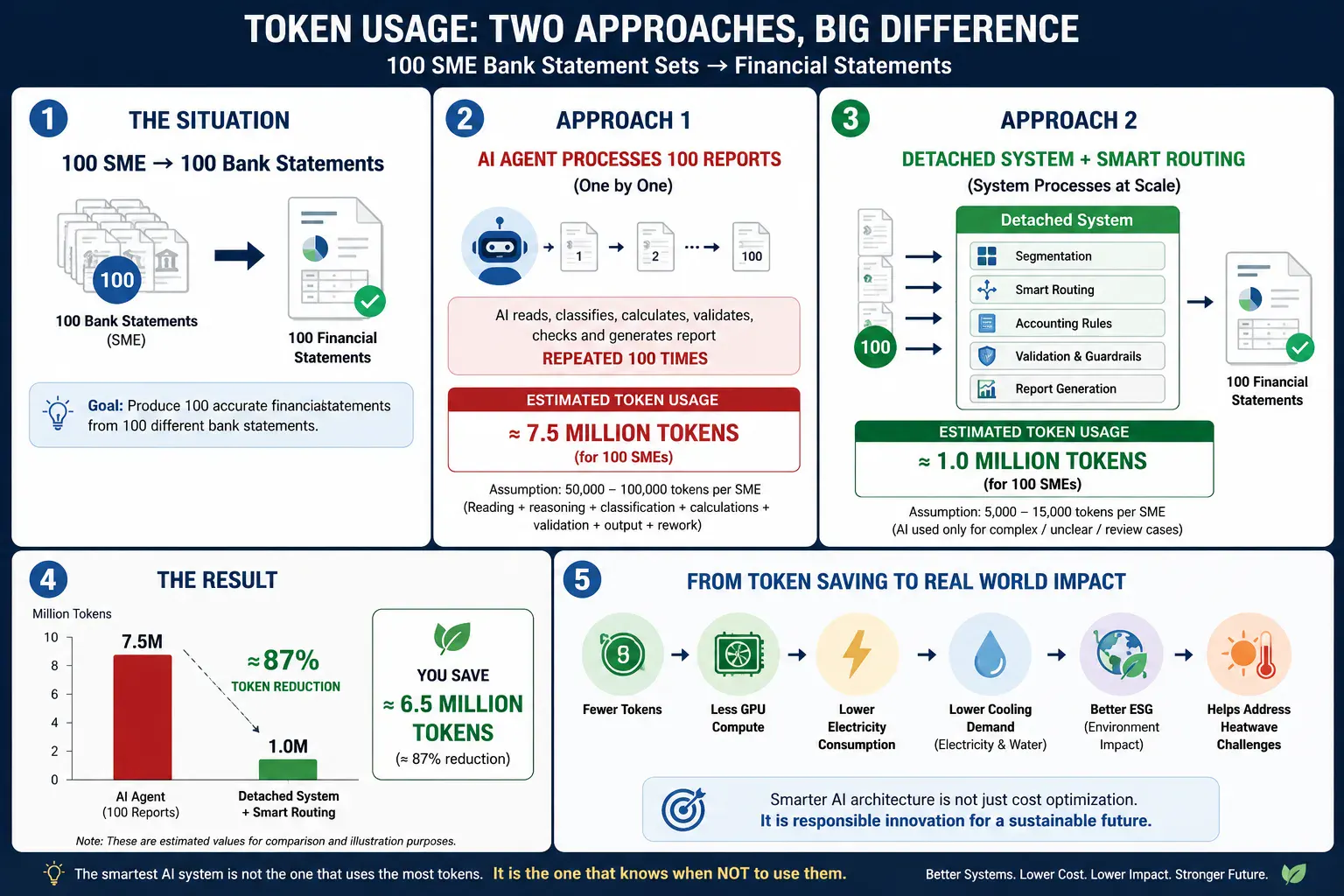
A system like this can be developed cheaply - we are talking around USD2 in AI-assisted development cost - and then reused across thousands of PKS deployments. The cumulative savings are massive.
Bandingkan that with an AI-only approach:
Higher per-run cost.
Heavier infrastructure footprint.
No guaranteed accuracy.
Harder to audit and debug.
Harder to scale without drift or failure modes.
AI should not replace solid systems engineering.
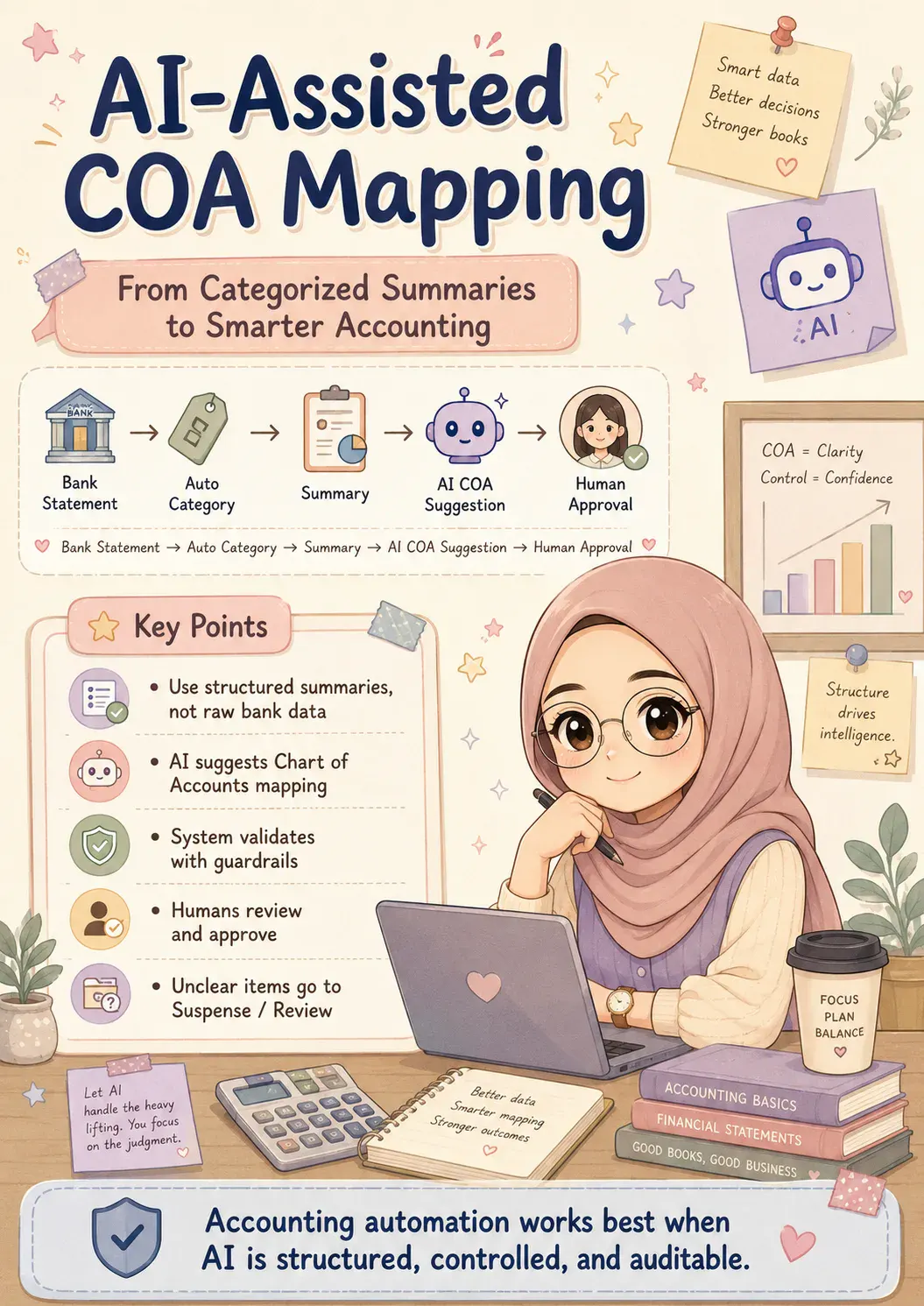
AI should help us build cleaner systems - lebih murah to deploy, lebih pantas to iterate, more accurate in production, and genuinely useful for the operators running the business.
For PKS, that is the real value. Not the hype cycle. Not FOMO-driven tooling. Just systems that work on real data, in real environments, every day.
Official Cross-Rangkaian Resource













Ruang pembaca
Apa pendapat anda?
Komen disemak sebelum diterbitkan. Email diperlukan untuk moderasi dan tidak dipaparkan kepada pembaca.
Tulisan yang bagus. Why this matters in production sahaja dah berbaloi.
这段关于这篇文章的说明帮我把之前的问题连起来了。
我喜欢这个主题这部分,因为它讲得比较务实。