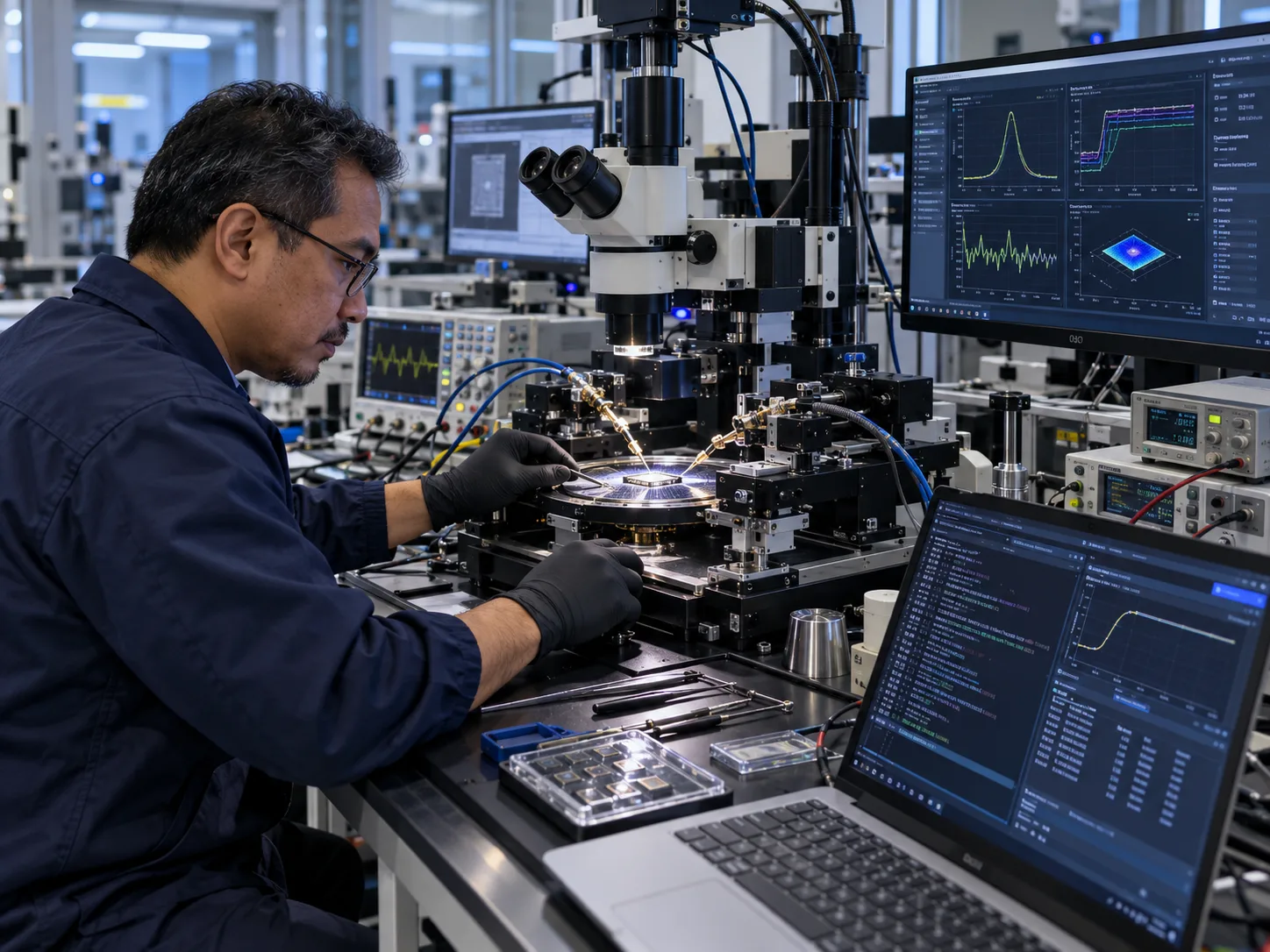
Back in 2003, I was a Jurutera Reka Bentuk MEMS in the semiconductor industry, gluing scripts together to build web applications on the side. There was a name for people like me back then: script kiddies.
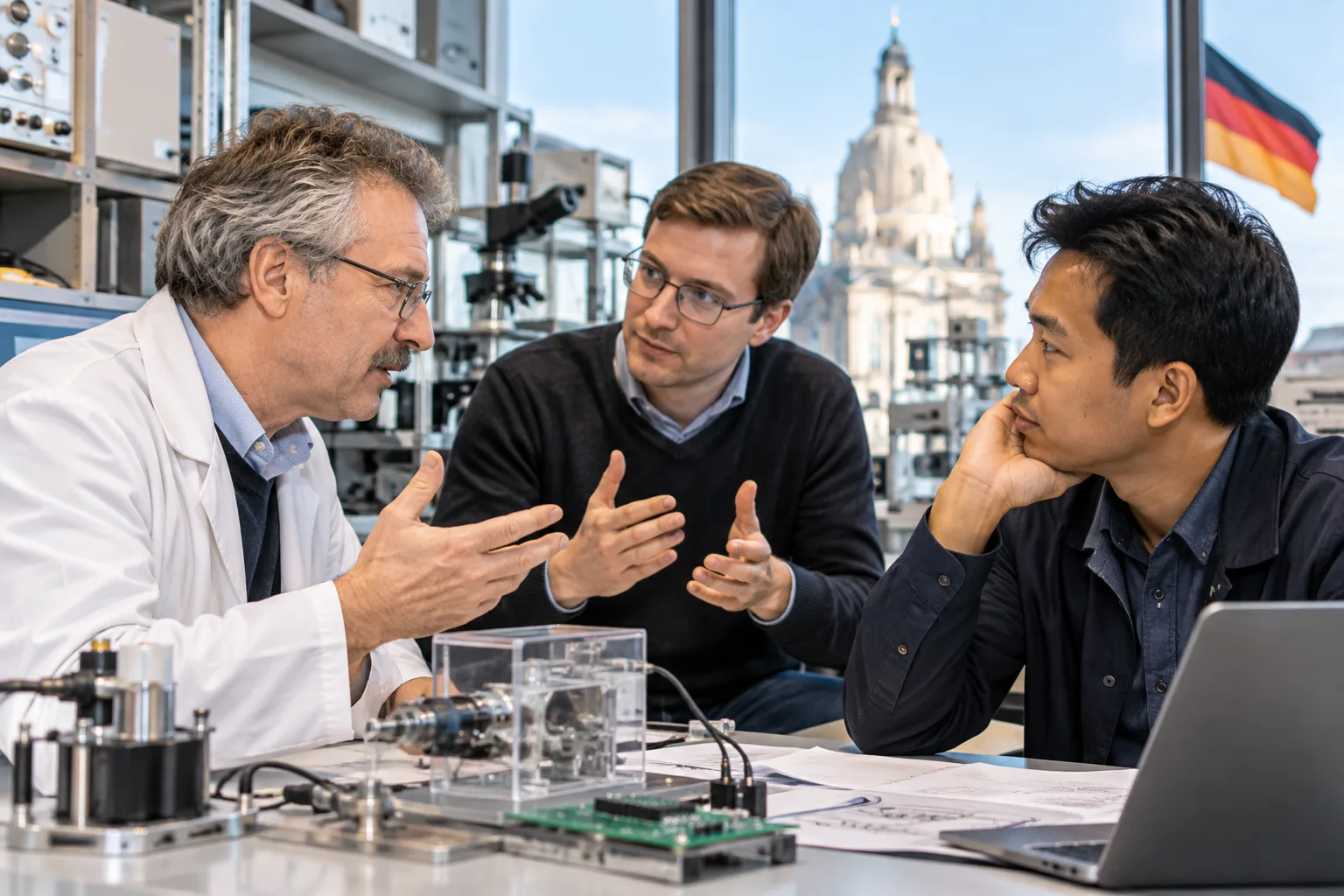
I was sent to Dresden, Germany, to learn MEMS chip calibration from a PhD engineer whose research had quietly helped create thousands of jobs worldwide.
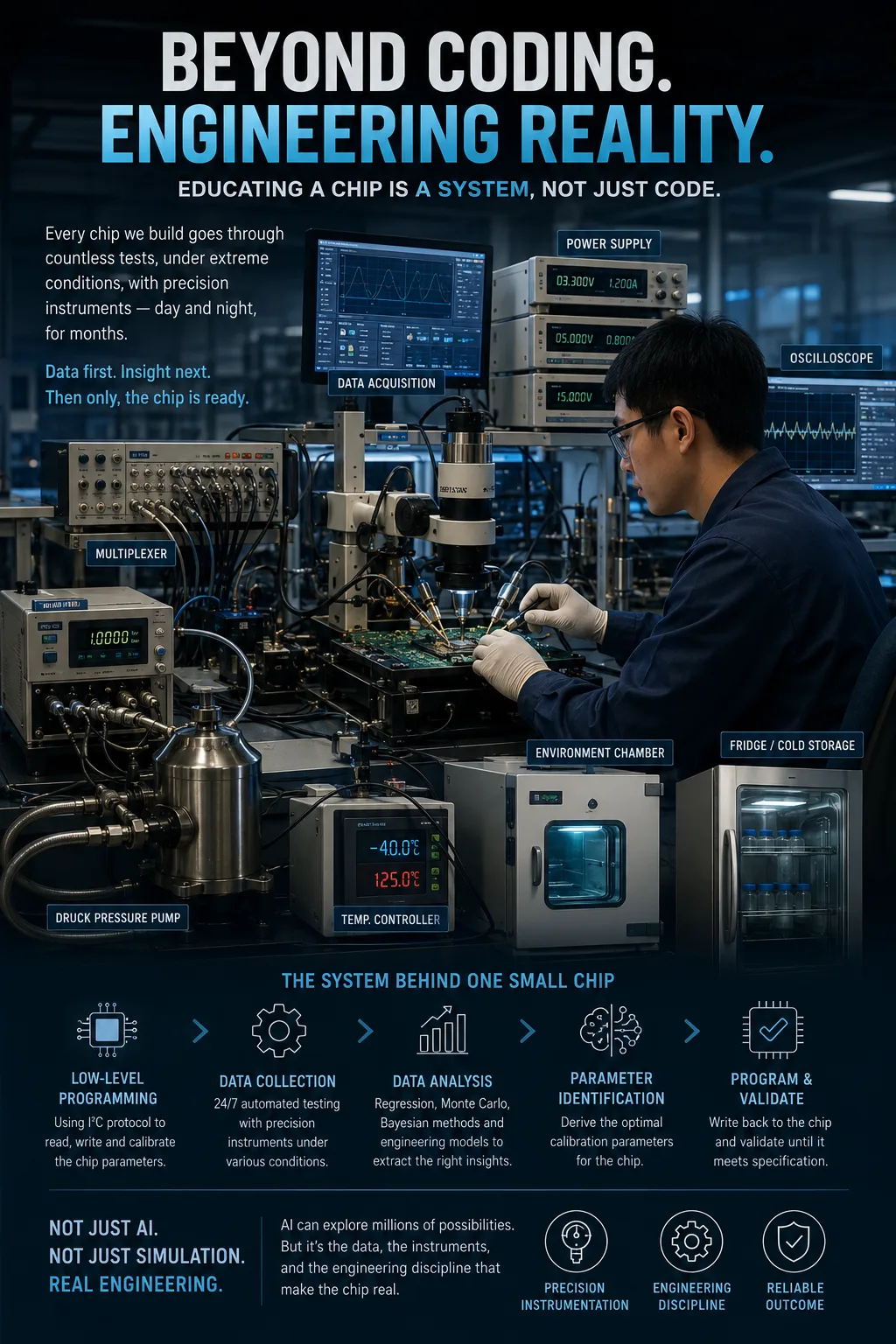
The programmer who came with me eventually resigned - the technical complexity got him. I had no choice but to learn low-level programming, I²C protocols, system integration and LabVIEW myself. That was my real education: not the algorithms, the wiring between things.
Fast forward to 2026.
A system that once required six months of development can now, I believe, be delivered in about seven days on our own AINNA NeuralOps architecture and WebCLI - and it ships with more capability than the six-month version had.
The breakthrough isn't lebih pantas coding. Code was never the bottleneck. The bottleneck was the integration surface: calibration loops, protocol handshakes, the glue nobody documents. What AI agents change is that they can hold that surface in context and work it continuously, instead of waiting on a human to re-load it every Monday morning.
Less development time. Lower engineering overhead. Lebih Pantas deployment. Greater scalability. Those line items are real, but they're the output, not the mechanism.
After 23 years, I've landed on something.
The next generation of technology companies won't be defined by the headcount of their engineering teams. They'll be defined by how much they can actually deliver - build it, deploy it, keep it running - with the resources they already have.
And that's exactly the system we're building at AINNA.
#AgenticAI #AINNANeuralOps #AIInfrastruktur #SoftwareEngineering #DeepTech #Inovasi














Ruang pembaca
Apa pendapat anda?
Komen disemak sebelum diterbitkan. Email diperlukan untuk moderasi dan tidak dipaparkan kepada pembaca.
Saya suka bagian 2003 karena tidak terlalu teoretis.
Simpan dulu, terutama karena 2003.
Still thinking about back in 2003.
Whoever wrote this actually did the work on lower engineering overhead.
Good to finally see low-level set out this clearly.