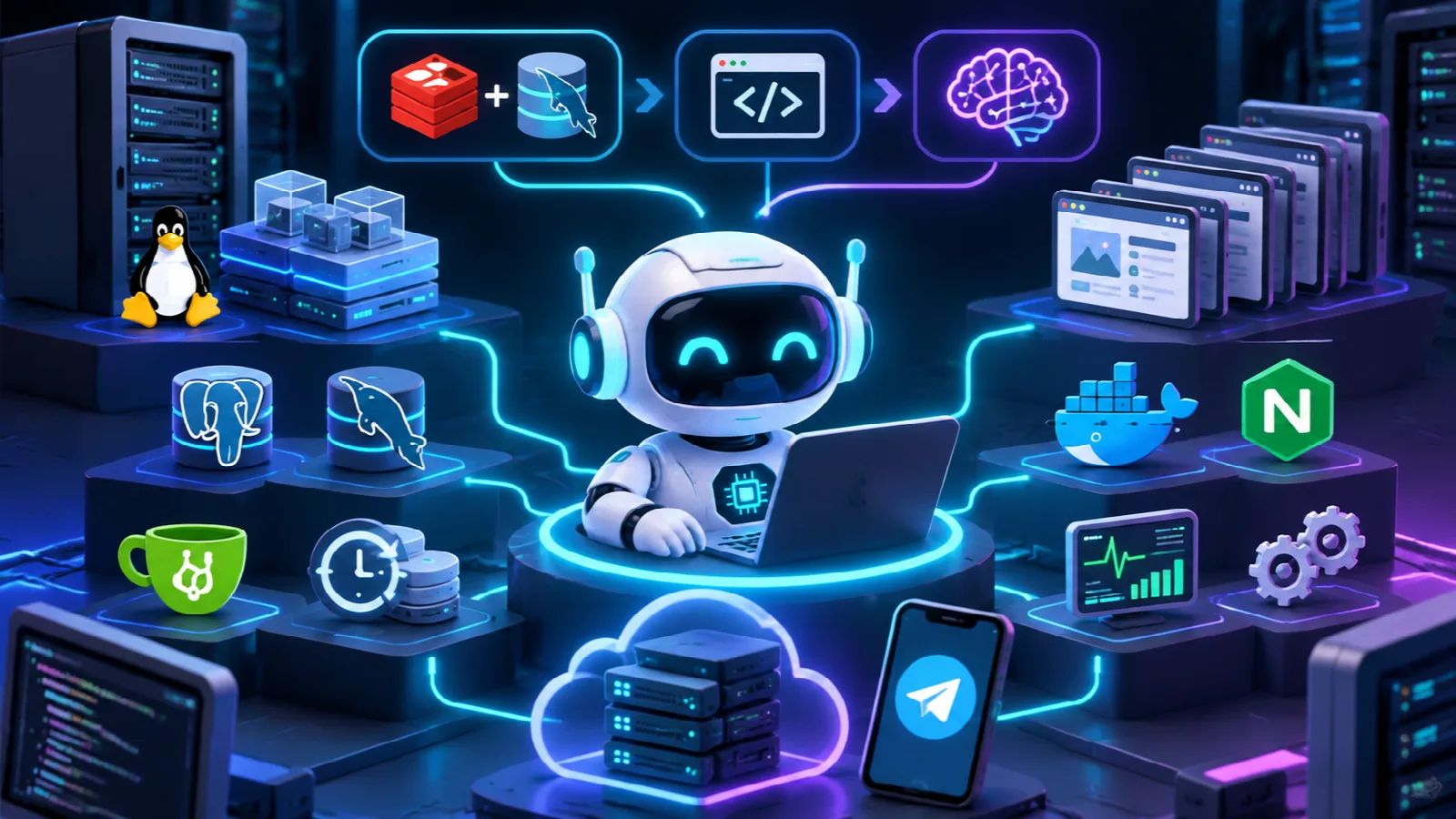
When I first started following this OpenClaw group, members were actively sharing experiments, technical experiences and projects that had clear operational relevance. At AINNA, that is the kind of signal I look for: practical ideas that can be translated into measurable business value untuk PKS Malaysia.
Then came spam and scammers, followed by competing product promotions. Now memes have practically taken over the group. From a finance and accounting perspective, the lesson is familiar: without discipline and clear cost ownership, a promising channel can quickly lose its return.
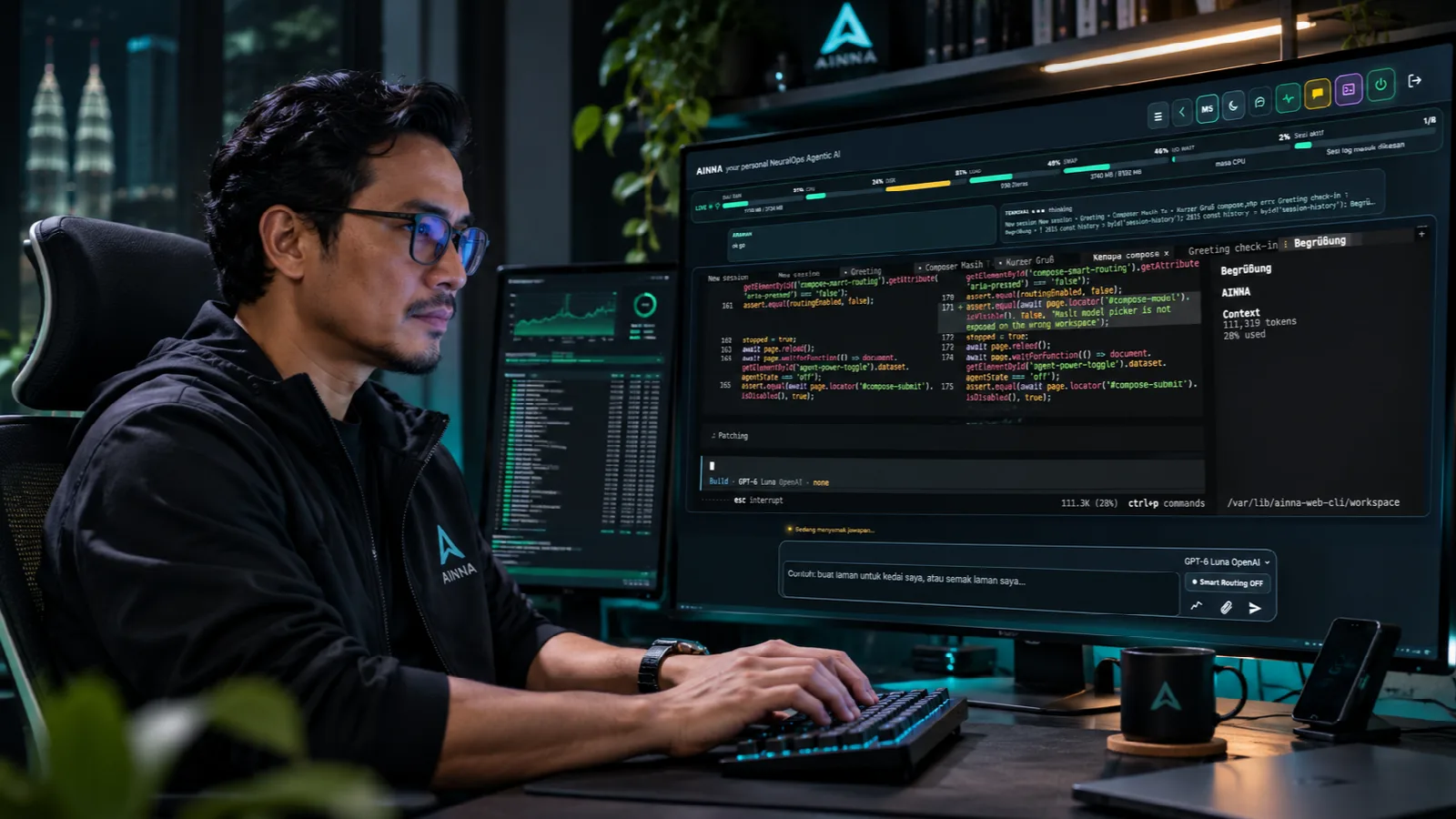
Meanwhile, I have moved towards a lightweight Ejen AI to replace OpenClaw in the workflows I assess, avoiding unnecessary complexity and bloated functions. I treat it like any other operating asset: it must reduce cost, improve control and justify its place in the budget.
Arsitektur Penghalaan Pintar 3 Peringkat Saya:
- Redis & MySQL Cache – Reuse existing data and results so we do not pay twice for processing that has already been done; every avoided repeat is a direct cost saving.
- Frequent Scripts – Execute repetitive tasks without unnecessary LLM calls; automate the predictable work first, because predictable work should not carry premium model costs.
- Intelligent Model Penghalaan – Mula with the lowest-cost capable model and escalate only when the business case is clear; that is routing as a cost-control policy, not a technical flourish.
Timbunan Teknologi: Web-CLI, Redis, MySQL and Telegram as my on-the-go interface for checking costs, approvals and operating signals.
With my own Ejen AI, I have supported 100+ standalone web applications, alongside extensive server and infrastructure work, and I assess each layer against utilisation, risk and jumlah cost of ownership:
- Linux server provisioning and VM management, reviewed for utilisation and cost per workload
- PostgreSQL and MySQL, treated as data assets with clear ownership and backup controls
- Redis caching, used to reduce repeat processing and avoid unnecessary model spend
- Docker and container management, standardised to keep deployment cost and operational risk visible
- Nginx and reverse proxy, managed as part of a controlled, auditable service layer
- Gitea and Git version control, providing traceability for changes and asset sejarah
- Timeshift, snapshots and backup management, protecting business continuity and avoiding costly recovery events
- Server monitoring and deployment automation, turning operational signals into earlier, lebih murah decisions
The interesting part? Total AI model costs remain below USD 40/bulan, including my own distilled model-a cost base that is easy to budget for and compare against manual effort.
Application development, server operations and infrastructure management, all through my own Ejen AI-so I can see one operating model rather than a set of disconnected cost centres.
Less overhead. Smarter routing. Lagi measurable business value.
How about fellow finance and accounting teams in Malaysian PKS? What have you been building, automating or improving lately, and how are you measuring the return?














Ruang pembaca
Apa pendapat anda?
Komen disemak sebelum diterbitkan. Email diperlukan untuk moderasi dan tidak dipaparkan kepada pembaca.
Mas makatwiran ang mga numero tungkol sa 40 kaysa sa ibang nabasa ko.
الجزء المتعلق بـ 40 جعلني أفكر مطولًا.
Honestly, every avoided repeat surprised me.
The framing around automate the predictable work first is better than I expected.
Good to finally see technical experiences and projects set out this clearly.