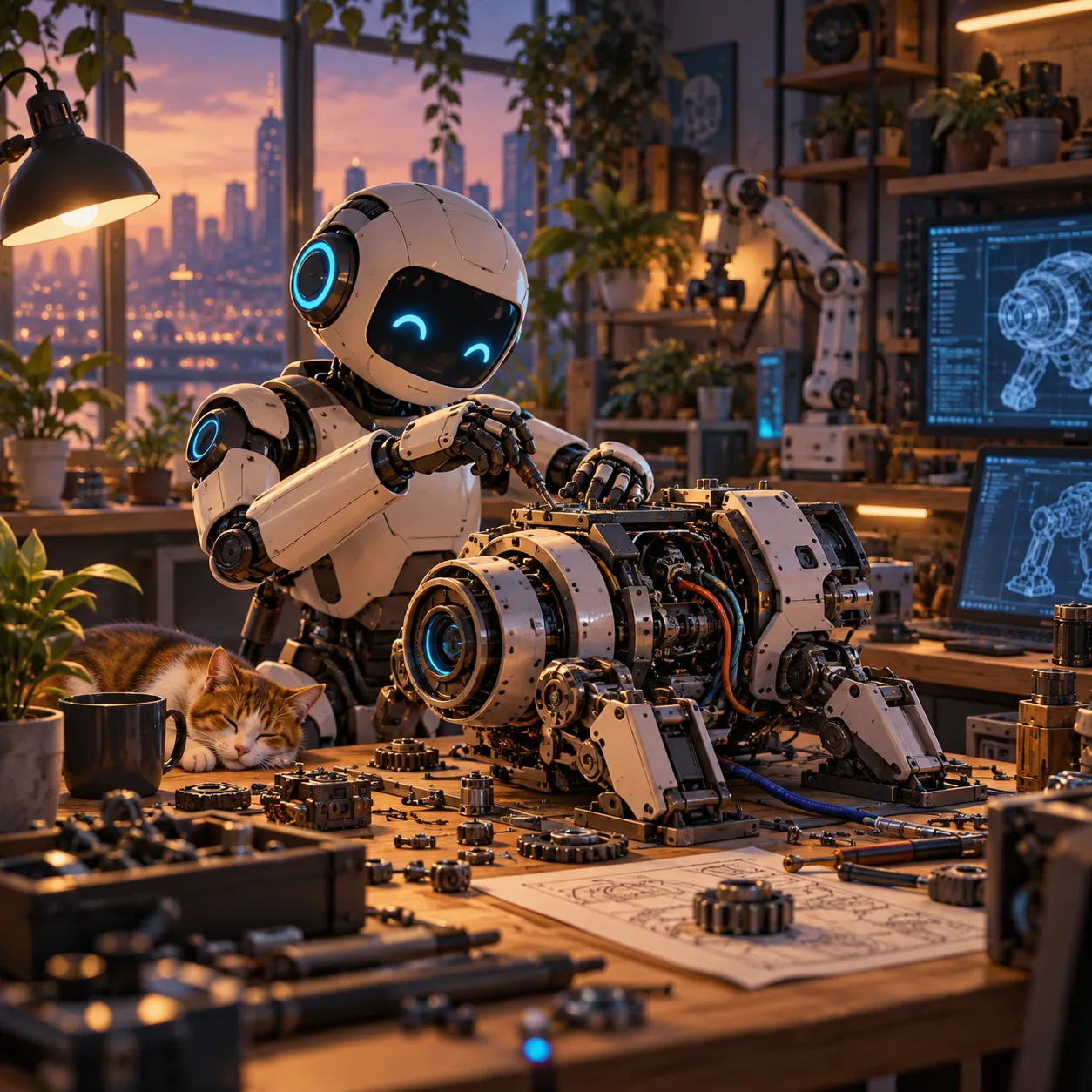
It may come from using less AI, more intelligently - and from knowing exactly where that spend earns its keep.
That distinction becomes sharper as companies move from AI experimentation to production. From a cost-accounting standpoint, the objective is not to make every step of a workflow dependent on a model. The objective is to design systems that deploy AI where it generates the most value, and deterministic software everywhere else.
At AINNA, our thesis is simple:
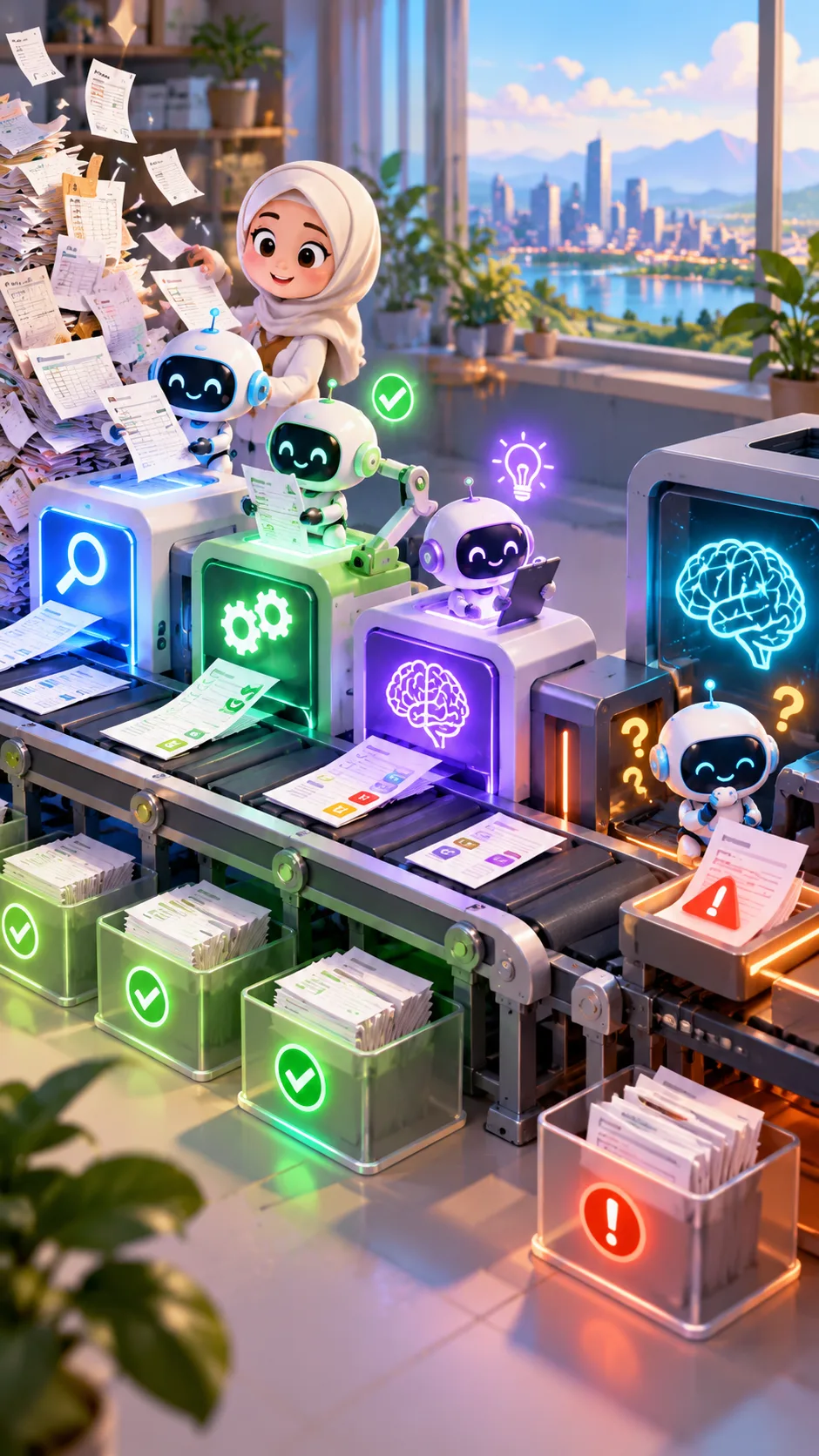
Use AI aggressively to build systems, automation, and logik. Once the system is mature, let deterministic software handle repetitive work 24/7. Bring AI back only when genuine reasoning is required.
We saw this shift in our own numbers. Our usage dropped from approximately 32 billion tokens during development to around 3 billion tokens per month after the core system became operational.
On the income statement, that is more than an efficiency gain. It changes the unit economics of AI.
Less compute.
Lower operating costs.
Greater scalability.
Stronger margins.
Lagi sustainable infrastructure.
The principle is straightforward:
Use AI to build the machine. Then let the machine do the work.
Companies that learn to scale intelligence without scaling compute at the same rate can create a significant competitive advantage. Over time, that advantage converts into billions of dollars in future enterprise and investment value.
The future of AI will not be defined solely by bigger models or more tokens.
It will be defined by better architecture, and by knowing when not to use AI at all.














Ruang pembaca
Apa pendapat anda?
Komen disemak sebelum diterbitkan. Email diperlukan untuk moderasi dan tidak dipaparkan kepada pembaca.
Simpan, sebab 2.
This is where repetitive work 2 24 finally makes sense.
Honestly, bring AI back surprised me.
Still thinking about companies that learn to scale.
Sent this to two people already. let deterministic software handle repetitive is why.
Worth reading for our usage dropped alone.
First piece I have read that treats use AI to build honestly.
cost-accounting is the part I would forward to my boss.