
OpenAI is continuing to push down the unit cost of frontier intelligence, while models such as DeepSeek are becoming increasingly efficient for coding and agentic workloads.
At AINNA, we treat OpenAI as a teacher model for distillation - essentially a knowledge-transfer asset that improves the long-term productivity of our AI systems.
The objective is not to route every operational workload to the most advanced, and most expensive, model by default.
We deploy stronger models only where the marginal intelligence justifies the marginal cost:
Training. Penaakulan. Evaluation. Distillation.
Then we shift repetitive and specialised workloads to more efficient models, local deployments, specialised systems and deterministic processes, protecting margin on every transaction.
What stands out from a financial operations perspective is the difference in token consumption.
Some models consume very large context volumes during extended coding and agentic tasks, which translates directly into variable cost.
With DeepSeek, particularly for development workloads, we can run substantial tasks without constantly hitting the token ceiling, keeping unit costs within budget.
This leads to an important question:
The most capable AI model is not necessarily the one you should deploy for every task.
A better architecture, viewed through a cost-to-value lens, looks like this:
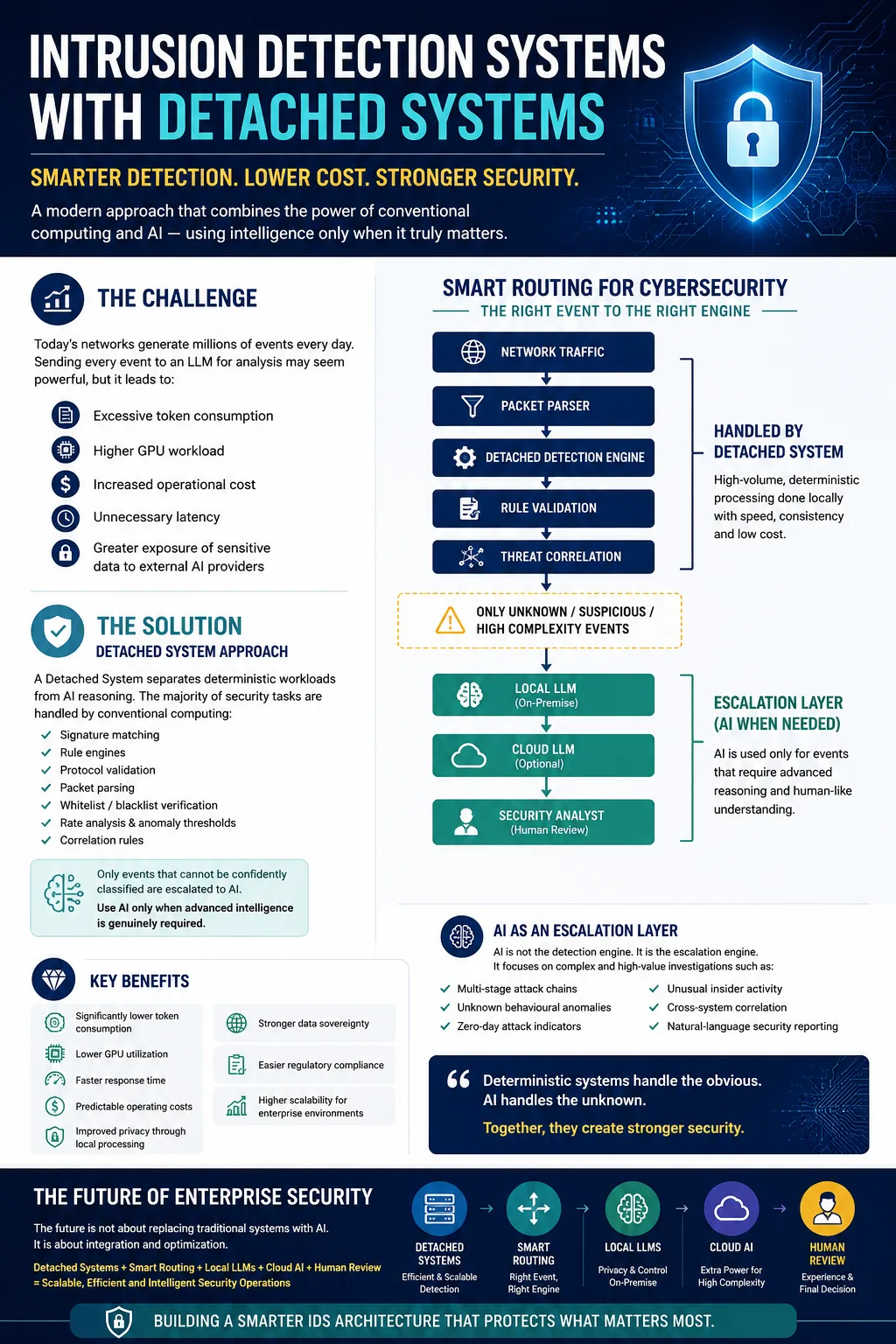
Advanced OpenAI model → Teacher / distillation
Efficient LLM / SLM → Specialised intelligence
Sistem terasing → Repetitive deterministic workloads
Smart routing → Allocate each task to the lowest-cost layer that meets the quality threshold
This is where AI economics directly affects the P&L.
As frontier intelligence becomes lebih murah, we can use it to build and refine lebih kecil, specialised intelligence instead of paying frontier-model unit costs for every operation.
For Malaysian PKS, this can materially improve the return-on-investment profile of AI adoption.
The competitive advantage will not come from merely licensing the biggest model.
It will come from disciplined capital allocation:
which model to use, when the cost is justified, what to distill, and what should not use an LLM at all.
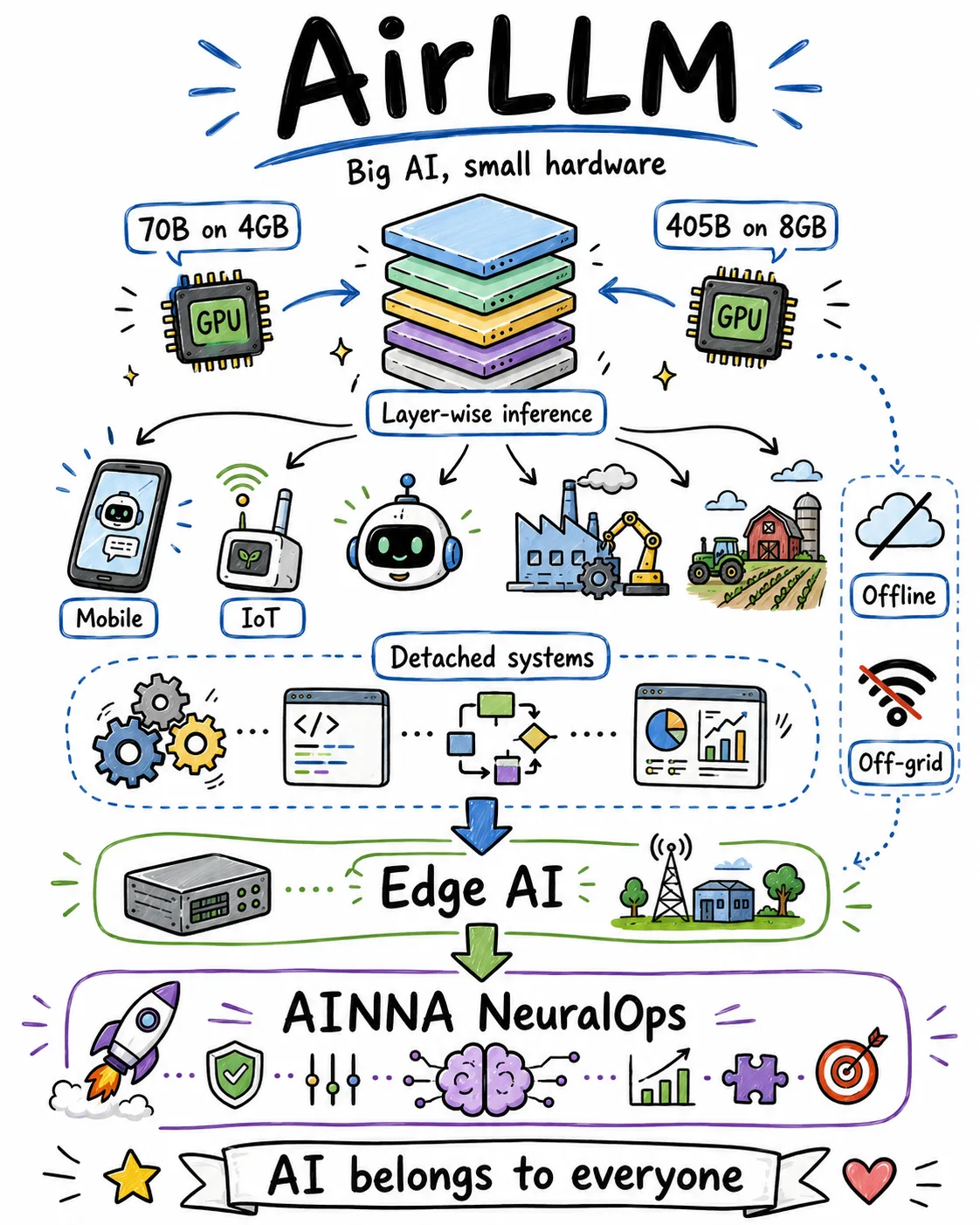
That is the direction we are building toward at AINNA NeuralOps - with a focus on measurable cost savings, asset utilisation and operational ROI untuk PKS Malaysia.
#ArtificialIntelligence #AIInfrastruktur #OpenAI #DeepSeek #ModelDistillation #AgenticAI #LLM #SLM #AIAgents #PKS #NeuralOps














Ruang pembaca
Apa pendapat anda?
Komen disemak sebelum diterbitkan. Email diperlukan untuk moderasi dan tidak dipaparkan kepada pembaca.
model by default bagian yang mau saya kirim ke atasan.
Kami sedang menghadapi model by default di kantor. Berguna.
This is where what stands out finally makes sense.
The case for which model to use is well made.
The numbers around model by default make more sense than most posts I read.
I read this twice. protecting margin on every transaction is the part that stuck.