Malaysia’s oil and gas sector is balancing reliable production with operational competitiveness and lower-emission delivery. PETRONAS’ Activity Outlook 2026–2028 identifies exploration, deepwater development and enhanced oil recovery as priorities for sustaining domestic production at approximately two million barrels of oil equivalent per day. It also highlights resource optimisation at producing assets, reliable gas and LNG supply, and greater efficiency across maritime operasi.
The outlook sits within a volatile global market. The U.S. Tenaga Information Administration’s October 2026 outlook describes uncertainty in physical oil flows, transport routes and prices. The World Bank reported that its energy price index rose 25.7% in September 2026, with crude oil and natural gas prices both increasing. For operators and service companies, this reinforces the value of predictable execution, careful maintenance planning and efficient use of people and equipment.
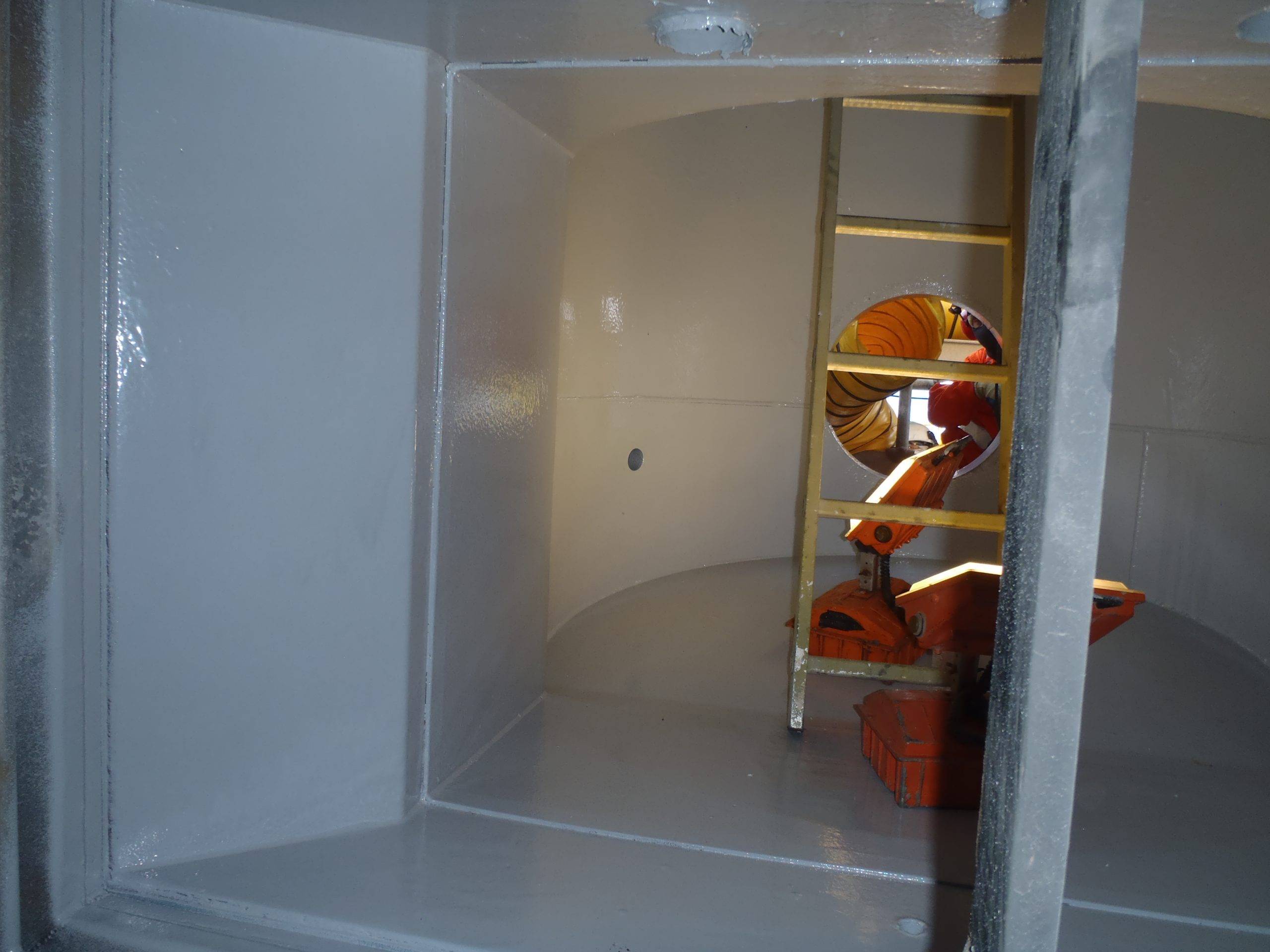
ZAR Lynx and AVAZAR publicly list services relevant to offshore, marine and industrial assets, including tank and vessel cleaning, sludge removal, water treatment, surface preparation, vacuum pumping and water jetting. These services can support maintenance and operational readiness when they match an asset’s approved scope and site requirements.
ZAR’s published project records provide useful evidence for buyers. Contoh include removal of approximately 40 tonnes of sludge in six days, wet abrasive blasting across 2,800 m², and cleaning work on process vessels aboard FPSO Kikeh. Presenting each project with a consistent account of the problem, scope, method, duration and verified result would make this experience easier for procurement and operations teams to assess.
The market is also placing greater emphasis on operational efficiency and lower-carbon delivery. ZAR can explain how its existing services contribute to safe execution, reduced manual handling, asset readiness or water and waste management where project evidence supports those outcomes. Any emissions, cost-saving or performance claim should be tied to a measured result; emerging scopes such as methane monitoring or carbon capture should only be presented if ZAR has verified capability or an identified delivery partner.