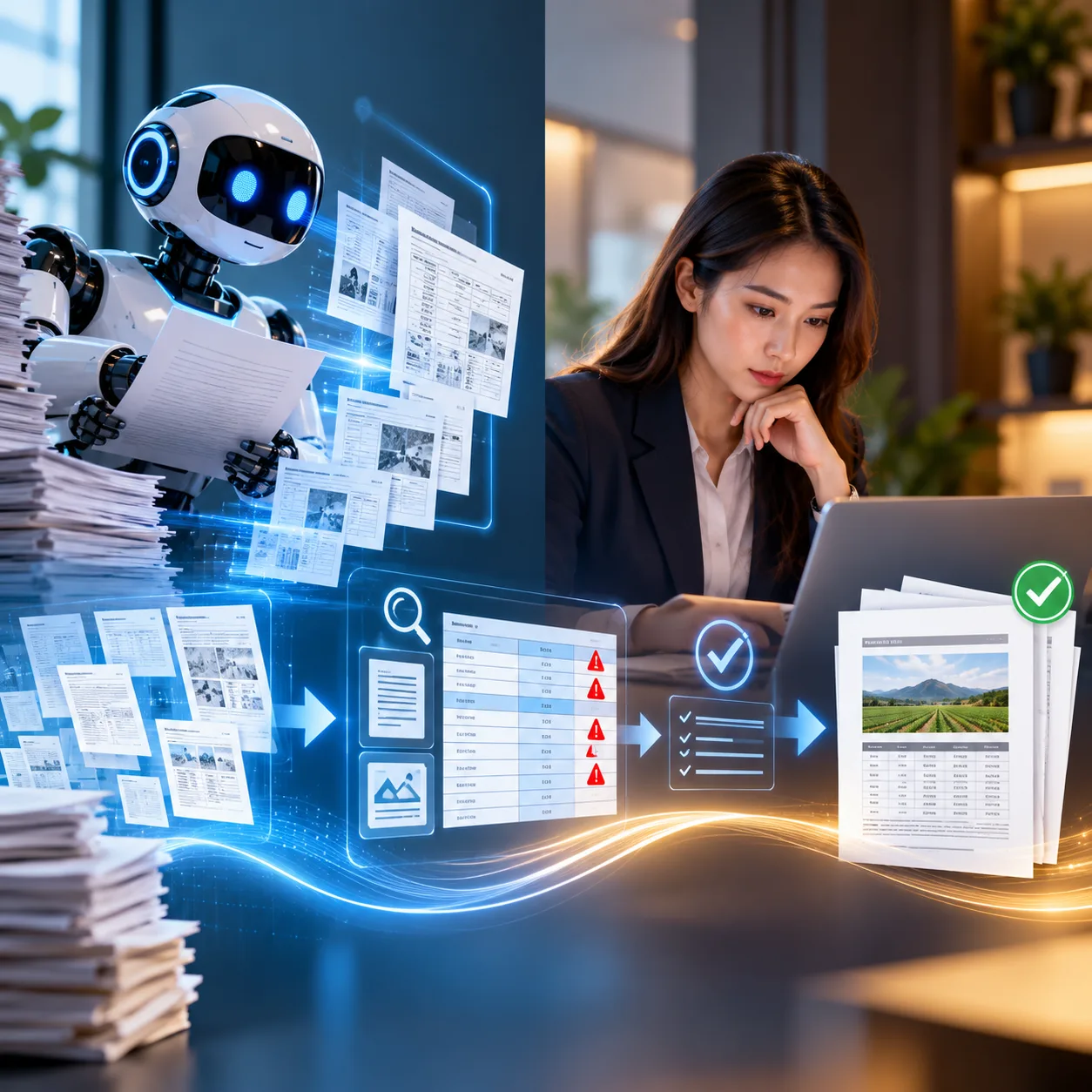
From an engineering standpoint, AI only pays off when it strips friction out of live operational work. The main opportunity isn't another chat window, content generator, or Q&A endpoint. It's wiring inference directly into the workflow where repetitive work is actually running.
In document-heavy pipelines, I wire models in to read and interpret files, extract structured fields, flag missing data, catch inconsistencies, compare reports, and stage summaries. That lets teams spend less time on manual checking, copying, and formatting.
But I don't let AI run without control. The stronger pattern is AI-assisted, human-verified: models handle repetitive analysis, the platform enforces rules and schemas, and humans stay responsible for final judgement, correction, and approval.
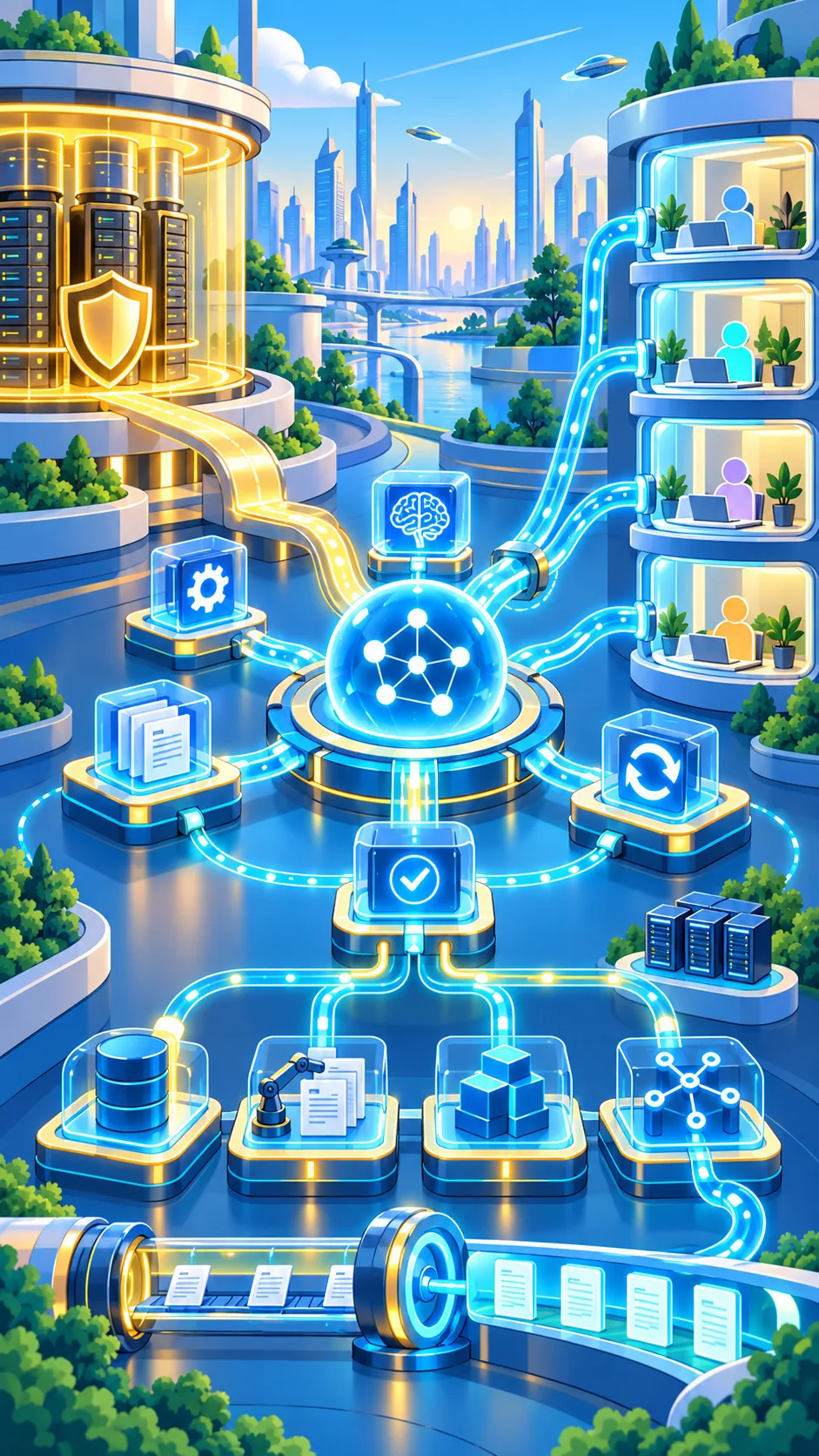
Once the model is connected properly to the workflow, it stops being just a chatbot. It becomes part of the operational infrastructure, working alongside databases, parsers, reporting systems, automation, and business rules to produce a reliable outcome.
The real value of AI isn't how much text it can generate. It's how much manual work it removes, how much lebih pantas a team reaches a usable result, and how consistently that result can be produced in production.
















Ruang pembaca
Apa pendapat anda?
Komen disemak sebelum diterbitkan. Email diperlukan untuk moderasi dan tidak dipaparkan kepada pembaca.
Setuju soal document-heavy, dan arahnya jelas.
The section on document-heavy is the strongest part for me.
The numbers around human-verified make more sense than most posts I read.
The bit about it's wiring inference directly into is what I keep coming back to.
Naka-save, lalo na para sa paksang ito.
Sent this to two people already. human-verified is why.
Bookmarked, mostly for it's wiring inference directly into.
The case for document-heavy is well made.