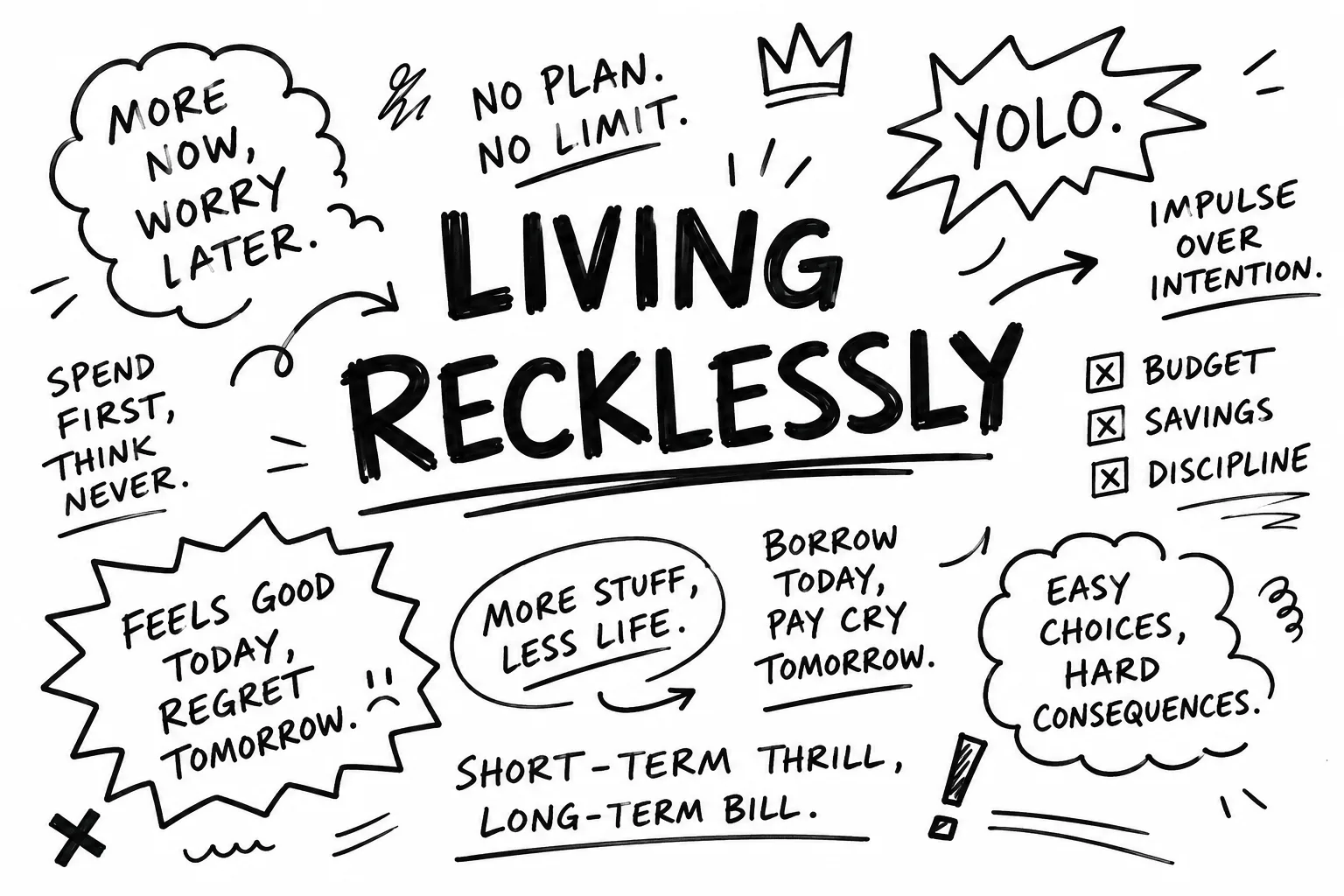
When I size AI infrastructure at AINNA today, the conversation feels a lot like the automobile boom from the 1960s through the 1990s. Owning a car was a signal of progress and economic momentum. Industri scaled fast to meet demand, but the side effects scaled just as quickly: fuel consumption, congestion and pollution.
Kecekapan only became a design goal after the damage was visible. Japanese manufacturers forced the shift by prioritising fuel efficiency, reliability, lean manufacturing and engineering that actually solved real-world problems. The mindset moved from building more cars to building better cars. As the joke goes, “If burning more fuel made a better car, a tank would be the perfect family vehicle.”
China followed a similar curve. Early industrialisation was aggressive, and the environmental cost was steep. From the 2000s onward, automation and efficiency became central, renewable generation scaled, EVs took off and cleaner production moved from nice-to-have to operational requirement.
China did not abandon industrialisation. It re-architected it. Teknologi kept advancing, but the way systems were designed and consumed became more practical, more measured and more resource-aware.
AI is at the same junction now. In the field, I keep seeing the same spec sheet: bigger foundation models, more agents, longer context windows, more GPUs, billions of tokens. There is an implicit assumption that higher AI consumption equals a more advanced system. That is like claiming, “My car burns twice as much petrol, so it must be twice as intelligent.”
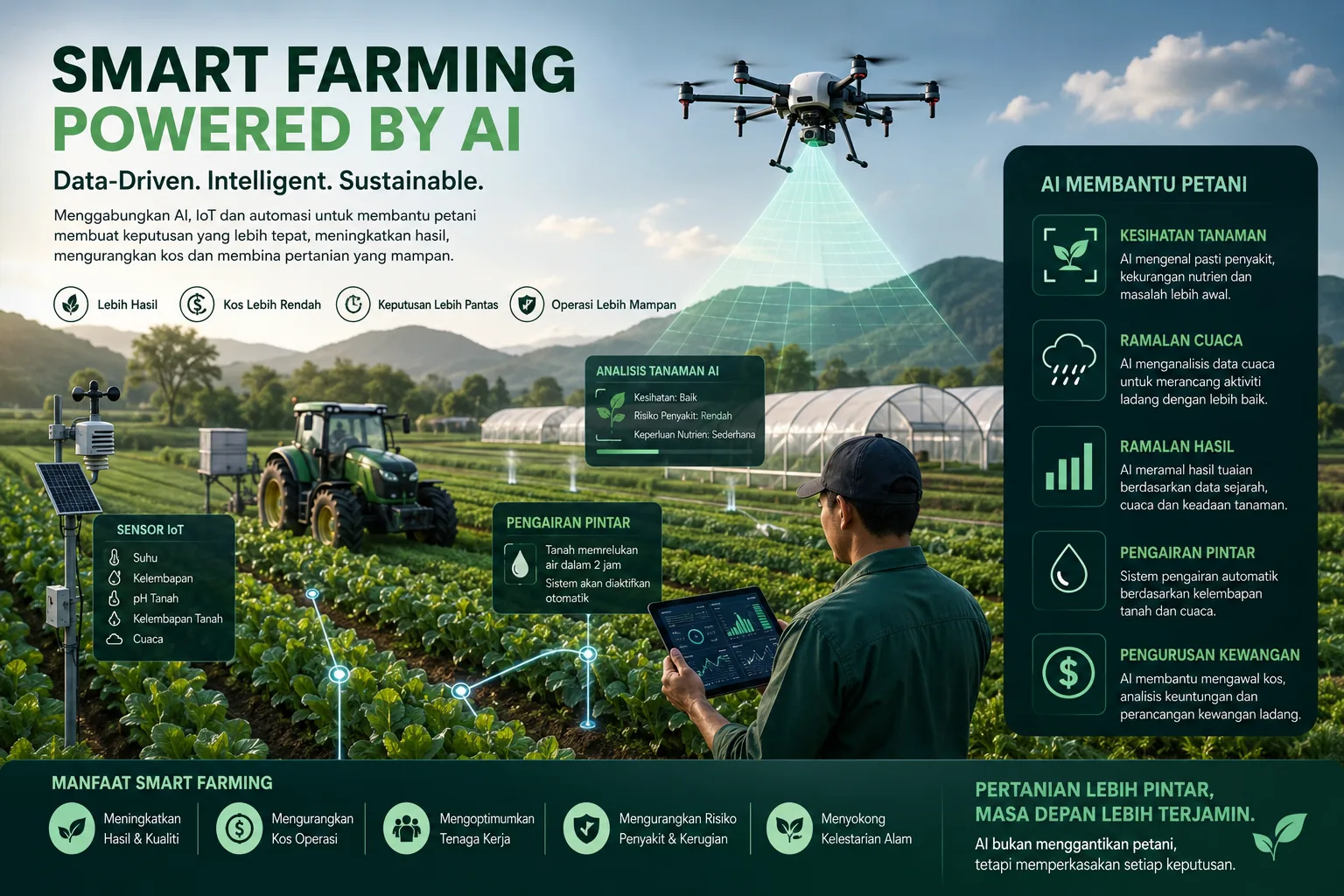
The right question is not “How much AI can we deploy?” It should be, “How little AI do we actually need to solve the problem correctly?” That is why I design deployments around Smart Routing, Segmentation and Sistem Berasingan.
Smart Routing pushes routine requests to lebih kecil models or deterministic code, reserving large neural models for cases that genuinely need deep reasoning. Segmentation splits complex workloads into discrete tasks, cutting context bloat, token waste and redundant computation. Sistem Berasingan keep validation, filtering, database operations and hard business rules outside the model. AI handles ambiguity; software handles certainty.
Built this way, AI systems lower token consumption, inference cost, GPU load, infrastructure footprint and energy draw, while improving reliability and scalability. This is where AI efficiency and ESG actually meet. We have already lived through the cycle of deploy first, optimise decades later. The future of AI should not be about more intelligence, but about more efficient intelligence - deploying advanced AI only where advanced intelligence is genuinely required.















Ruang pembaca
Apa pendapat anda?
Komen disemak sebelum diterbitkan. Email diperlukan untuk moderasi dan tidak dipaparkan kepada pembaca.
เพิ่งเคยเห็นคนเขียนเรื่อง1960แบบตรงไปตรงมา
Good to finally see from the 200 2000 set out this clearly.
Sa totoo lang, nakakagulat ang 1960.
Worth reading for kecekapan only became a design alone.
The case for 1960s through the 1990 is well made.
Honestly, teknologi kept advancing surprised me.