Today, I want to share a principle that has guided our journey at AINNA:
A system that works is not necessarily a system that can scale.
When we take an internal system and open it up to our clients, the real challenge isn't just adding features-it's rethinking the architecture from the ground up.
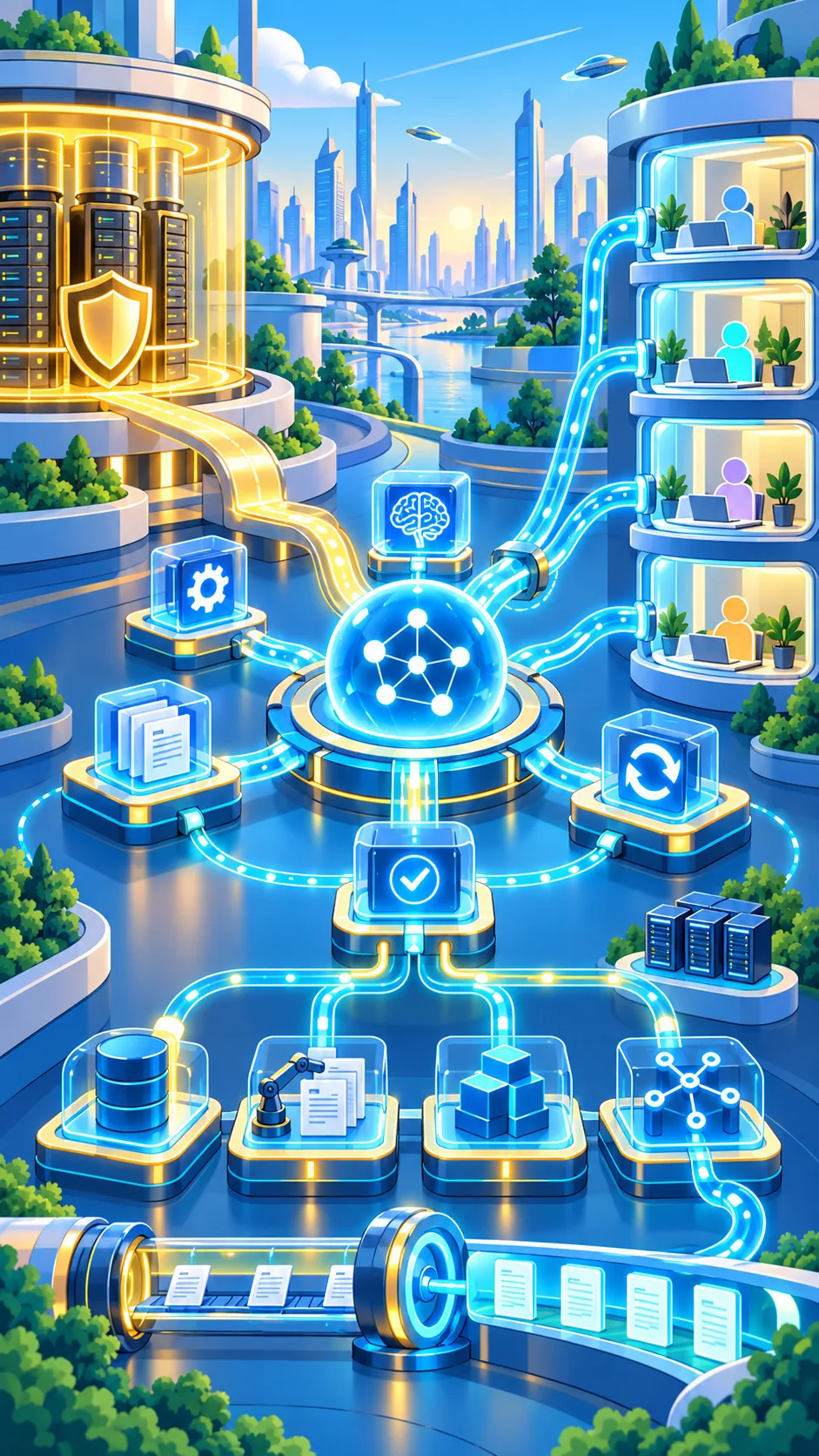
We always keep the original production system as our Golden System-stable, controlled, and protected.
The next step is to separate what's reusable from what's specific to each client, isolate data, enforce ownership and permissions, and ensure every process is traceable, retryable, and recoverable.
This is where an orchestration layer like NeuralOps becomes your strongest ally.
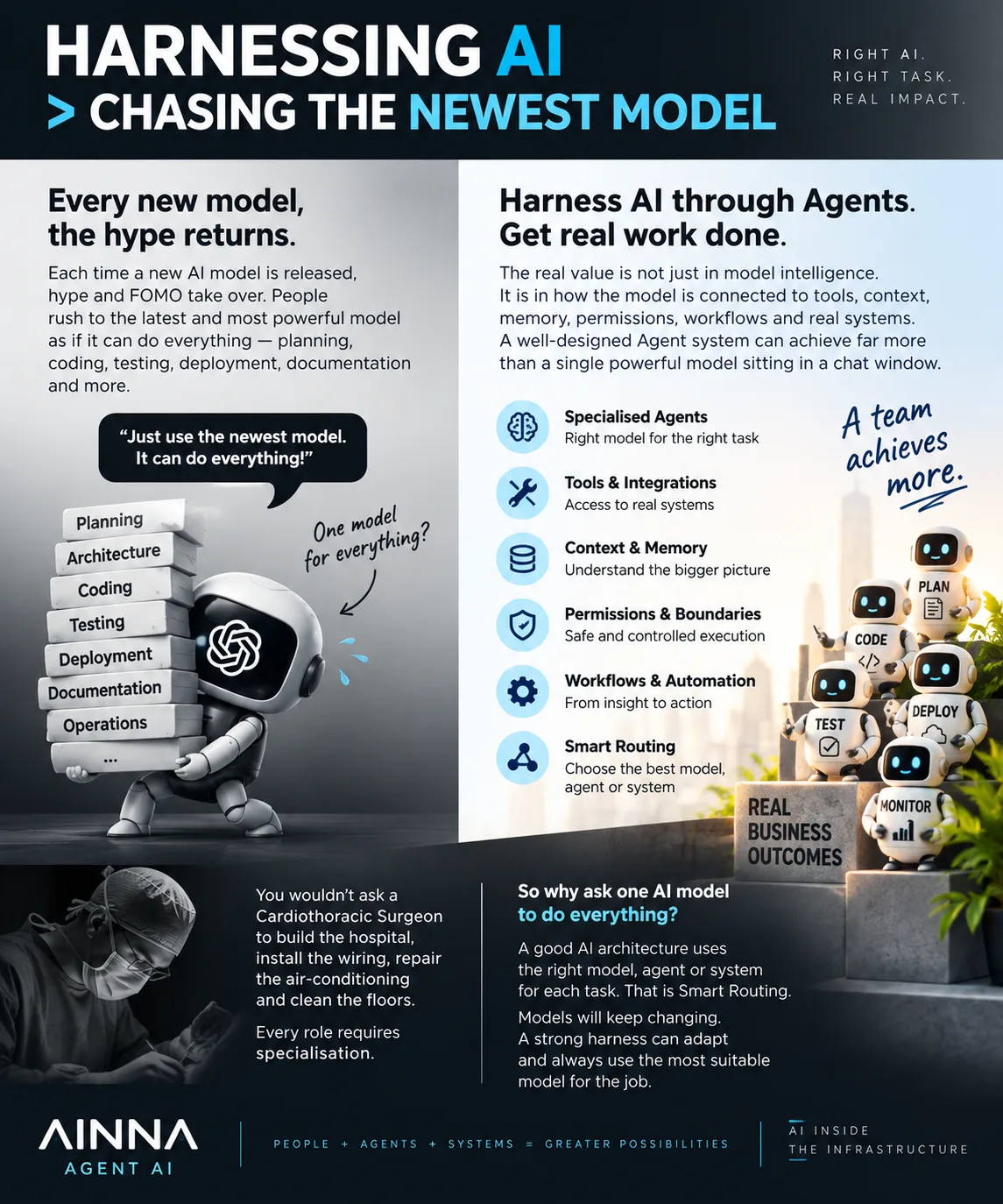
Rather than asking a single AI or a monolithic app to do everything, we route each task to the right agen, service, parser, database, or process.
The AI doesn't need to control everything.
It only steps in where true intelligence is needed.
Everything else stays structured, deterministic, and auditable.
This makes it far easier to manage:
core vs adapter, tenant isolation, job ownership, retries, validation, permissions, audit trails, storage boundaries and version control.
The principle is simple:
Don't scale by copying systems-separate what's common from what's specific, then orchestrate them properly.
That's how a working system becomes a powerful, reusable platform.
#SystemSeni Bina #NeuralOps #AgenticAI #SaaS #SoftwareEngineering #Kebolehskalaan #AIInfrastruktur
















Ruang pembaca
Apa pendapat anda?
Komen disemak sebelum diterbitkan. Email diperlukan untuk moderasi dan tidak dipaparkan kepada pembaca.
Bahagian everything else stays structured tu yang buat saya fikir lama.
reusable platform - sums the whole thing up.
First piece I have read that treats don't scale by copying systems-separate honestly.
I read this twice. That's how a working system is the part that stuck.
This is where everything else stays structured finally makes sense.
Still thinking about don't scale by copying systems-separate.