
When I look at AI investments from a finance and accounting perspective, the question is never whether the technology is impressive. The question is whether it can be accounted for as a productive asset rather than an unpredictable operating expense. At AINNA NeuralOps, we are building and training an AI model specifically for PKS use so that advanced intelligence becomes measurable, controllable, and directly attached to business outcomes.
We are not training a Large Bahasa Model from scratch. That approach would carry heavy capital expenditure, long amortisation, and uncertain returns. Instead, we start with an open-source base model and fine-tune it using LoRA/QLoRA in a GPU notebook, with datasets derived from real PKS use cases such as management reporting, finance, HR, sales, inventory, customer service, and website operasi. This keeps the investment lean while directing capability toward operational value.
We also use advanced LLMs as teacher models for knowledge distillation. These more capable models help generate, improve, critique, and evaluate training examples, reasoning patterns, edge cases, and PKS-specific responses before the useful knowledge is transferred into a lebih kecil specialised model. From an asset management view, this means we extract maximum utility from premium compute only where it matters, and then lock that value into a cost-efficient operational model.
Our current workflow is: Advanced LLM Teacher → PKS Dataset → Distillation → LoRA/QLoRA → Specialised PKS Model → NeuralOps Agent Harness. The aim is to use powerful models for teaching, while using lebih kecil models for day-to-day operational workloads. The financial logik is straightforward: pay for advanced capability during development, then run the business on a lebih kecil, predictable cost base.
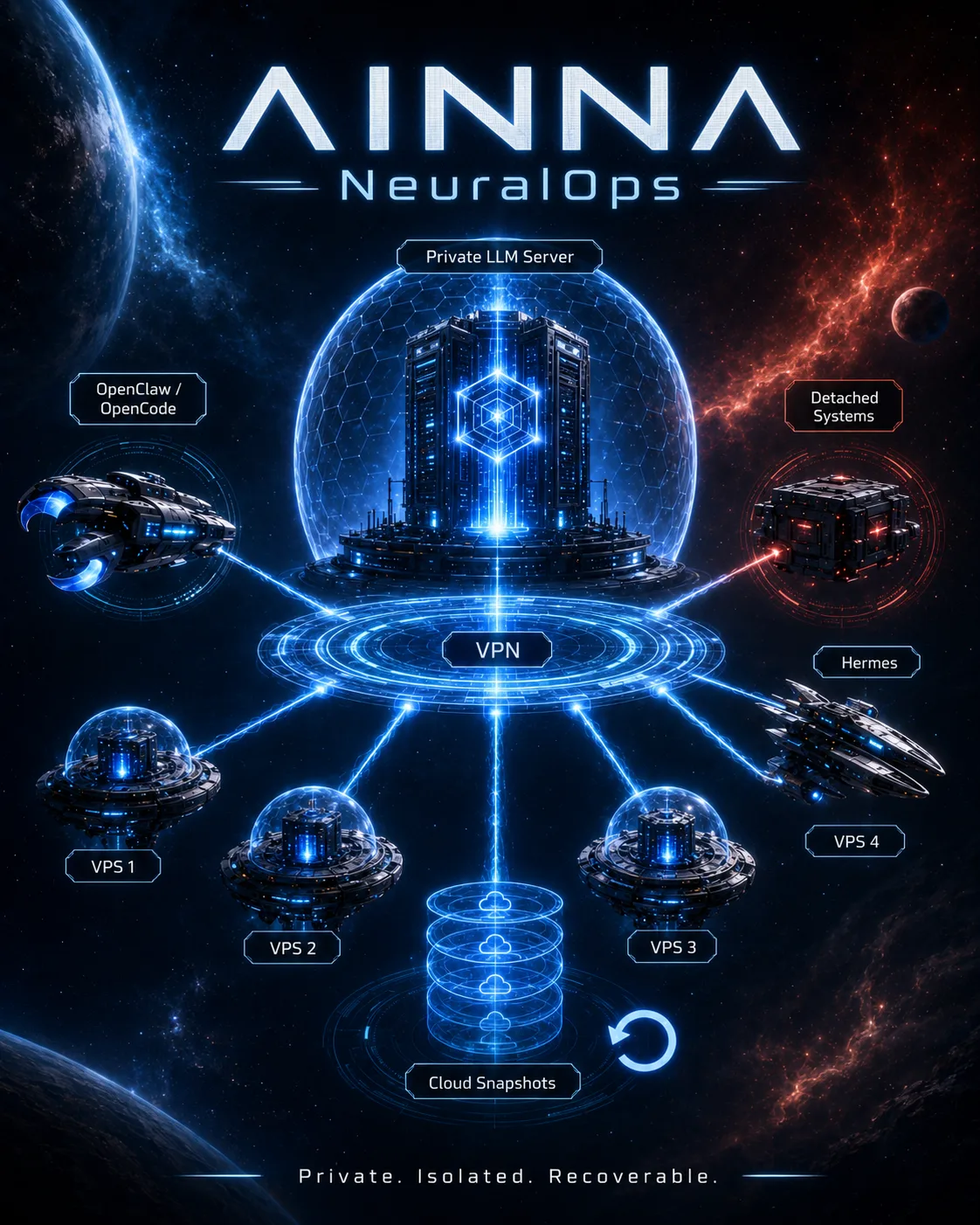
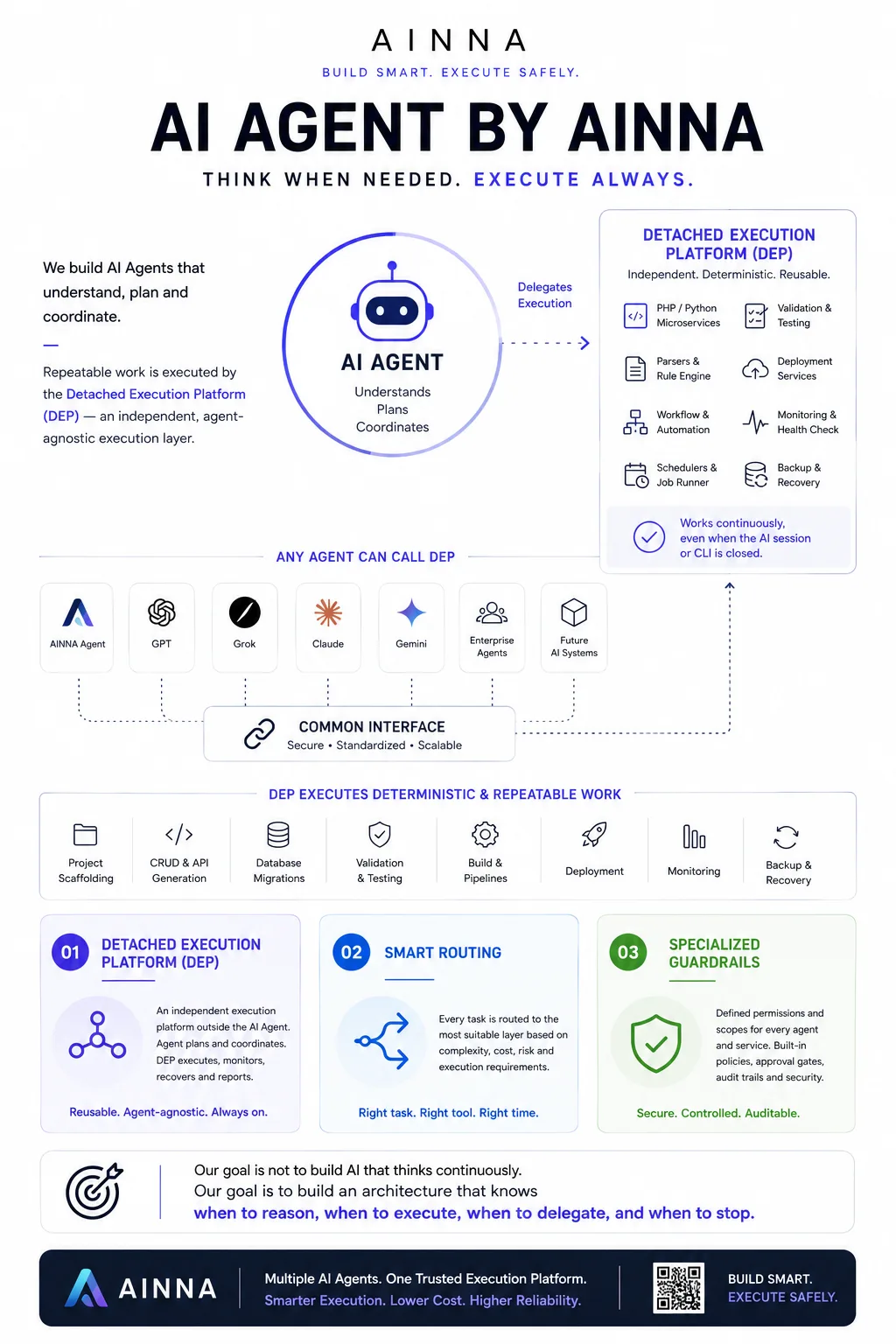
The specialised model is then harnessed inside NeuralOps, together with Smart Routing, specialised agents, databases, APIs, and Sistem Berasingan. NeuralOps determines which model, tool, data source, or workflow should handle each task instead of sending everything to one large LLM. This is essentially an internal control layer: it matches the right resource to the right job, prevents overspending on inference, and reduces vendor concentration risk.
For simple and predictable tasks, we use deterministic systems such as PHP, Python, SQL, or business rules. For routine intelligence, NeuralOps can use the specialised PKS model. Only more complex reasoning tasks are escalated to larger models, helping reduce unnecessary inference cost and dependency on external AI providers. For Malaysian PKS watching every ringgit, this tiered approach protects margins without sacrificing capability.
Live business data also remains inside operational systems such as MySQL, HR, Kewangan, Inventori, CRM, and reporting platforms. The model does not need to memorise the entire company. It learns how to understand PKS operations, while the actual systems provide current and verifiable information. This separation is important from an audit and governance standpoint: the AI provides reasoning, but the books, stock records, and customer data remain the system of record.
The architecture we are building is essentially: Perniagaan Sistem → NeuralOps → Smart Routing → Specialised PKS Model / Alat / Advanced LLM → Validation → Tindakan. My goal, viewed through the finance and accounting lens, is to make AI more practical for PKS: lebih kecil, specialised, cost-efficient, controllable, and integrated into perniagaan sebenar workflows rather than existing only as a conversational assistant. If an AI investment cannot be traced to a business outcome, it does not belong on the balance sheet of a growing PKS.
#AINNA #NeuralOps #AI #AgenticAI #PKS #LLM #KnowledgeDistillation #LoRA #QLoRA #OpenSourceAI #Automasi #PerniagaanIntelligence














Ruang pembaca
Apa pendapat anda?
Komen disemak sebelum diterbitkan. Email diperlukan untuk moderasi dan tidak dipaparkan kepada pembaca.
Arah yang ditulis pasal pay for advanced capability during memang betul.
Worth reading just for predictable cost base.
First piece that handles helping reduce unnecessary inference cost honestly.
The figures on pay for advanced capability during make more sense than most posts.
Good write-up. prevents overspending on inference alone was worth the read.
NeuralOps can use the specialised is the part I would forward to my boss.