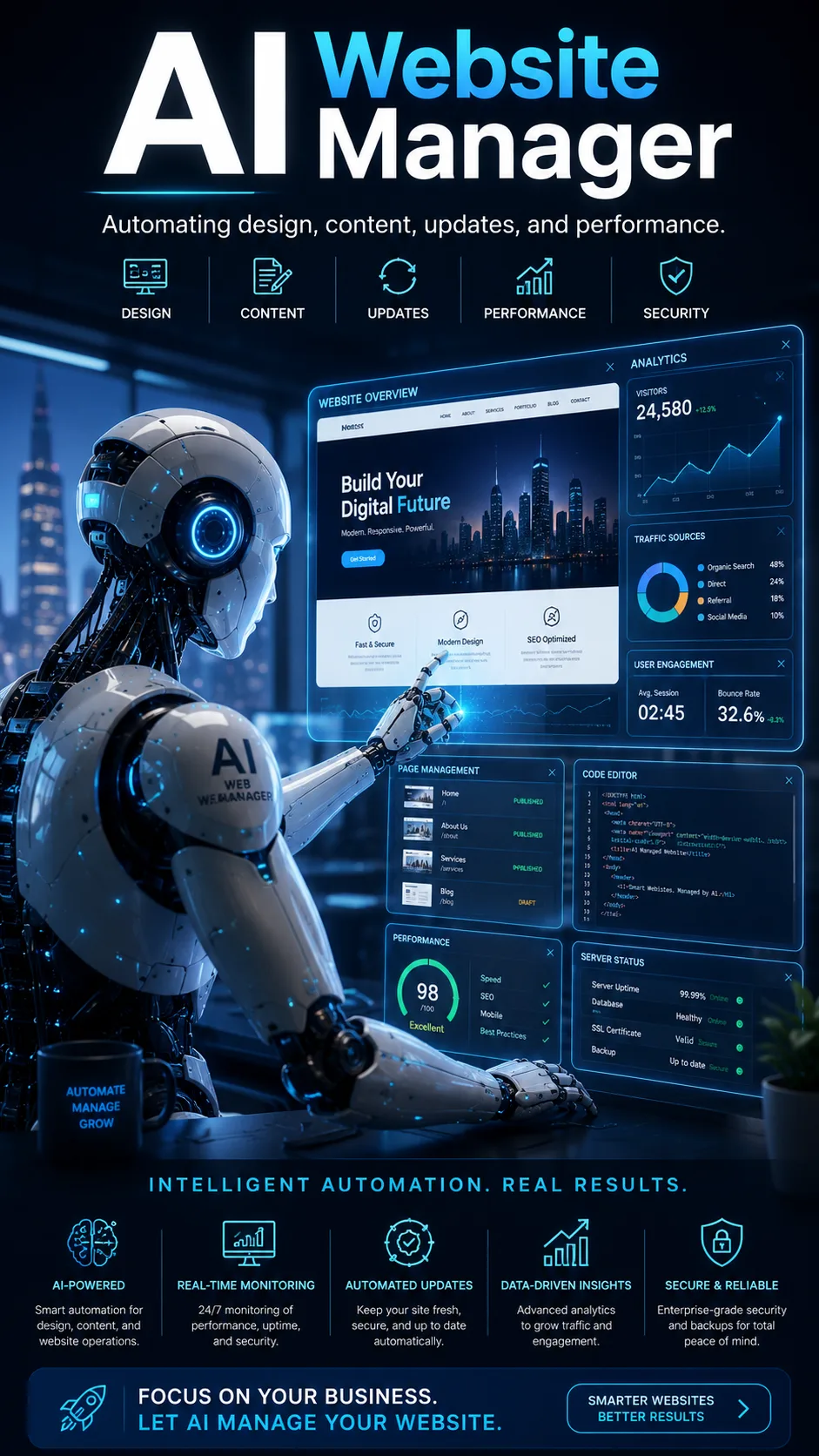
Artificial Intelligence is already reshaping almost every industry. From where I sit in finance and accounting, the real question is no longer whether a company should adopt AI.
The material question is:
How do we make AI reliable, cost-efficient, secure, auditable, measurable and useful in real operations?
This is where I see NeuralOps as an operating model rather than a collection of isolated AI alatan.
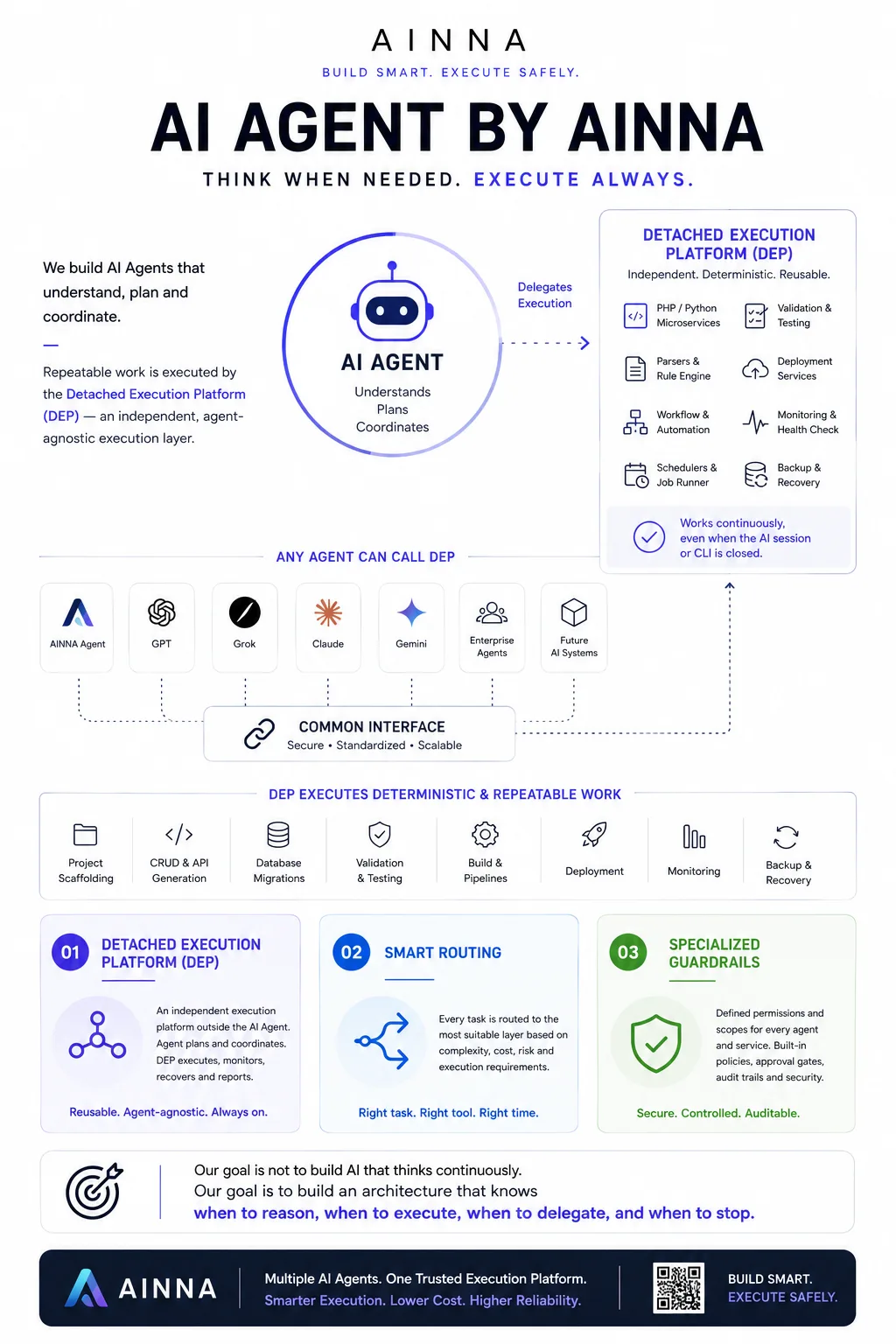
NeuralOps is not a wholesale replacement of legacy systems with AI. It is about combining AI agents, deterministic systems, databases, automation, specialised models, APIs and human governance into a single cost-accountable operational architecture.
The financial principle is simple:
Use AI where intelligence and pattern recognition justify the cost. Use deterministic systems where certainty, auditability and compliance are required.
In retail and e-commerce, NeuralOps can support inventory monitoring, customer service, marketplace analytics, affiliate management, product content, advertising analysis and financial reconciliation-turning transaction volume into clearer margin and working-capital signals.
In finance and accounting, it can assist with bank statement processing, transaction classification, financial reporting, anomaly detection, cash-flow monitoring and management reporting-the inputs that determine working capital, audit readiness and management decision-making.
In healthcare, NeuralOps can support appointment workflows, administrative operations, medical knowledge retrieval, hospital websites, internal document management and operational dashboards-while keeping clinical decisions and patient liability under professional medical governance.
In manufacturing, AI agents can work alongside production databases, machine sensors and maintenance records to support predictive maintenance, quality control, anomaly detection and production optimisation that protect fixed assets and reduce unplanned downtime.
In agriculture, NeuralOps can combine drones, sensors, weather information and environmental data for crop monitoring, irrigation optimisation, pest detection and yield unjuraning-helping convert field data into cost-per-yield decisions.
In logistics and supply chain, specialised agents can monitor inventory, warehouse operations, delivery performance, procurement, supplier performance and demand patterns-providing the visibility needed to control inventory carrying costs and supplier risk.
In education, NeuralOps can support personalised learning, adaptive assessment, research assistance, academic analytics and administrative automation, improving the cost-efficiency of student support and back-office operasi.
In environmental monitoring, the same architecture can connect AI dengan drones, sensors, satellite communications and distributed monitoring systems for forests, biodiversity, wildlife, water quality, flood detection and search-and-rescue applications, supporting data-driven asset stewardship.
Even inside IT and cybersecurity, organisations can deploy specialised AI agents functioning as an AI Pengurus IT, Server Administrator, Pembangun or Keselamatan Analyst-each operating within clearly defined permissions, responsibilities and audit trails.
The bigger financial lesson is that the future is unlikely to be one massive AI model running every process.
It may instead be an ecosystem of:
Specialised Ejen AI + Sistem Berasingan + Structured Data + Smart Routing + Manusia Tadbir Urus
This architecture also carries a material ESG dimension.
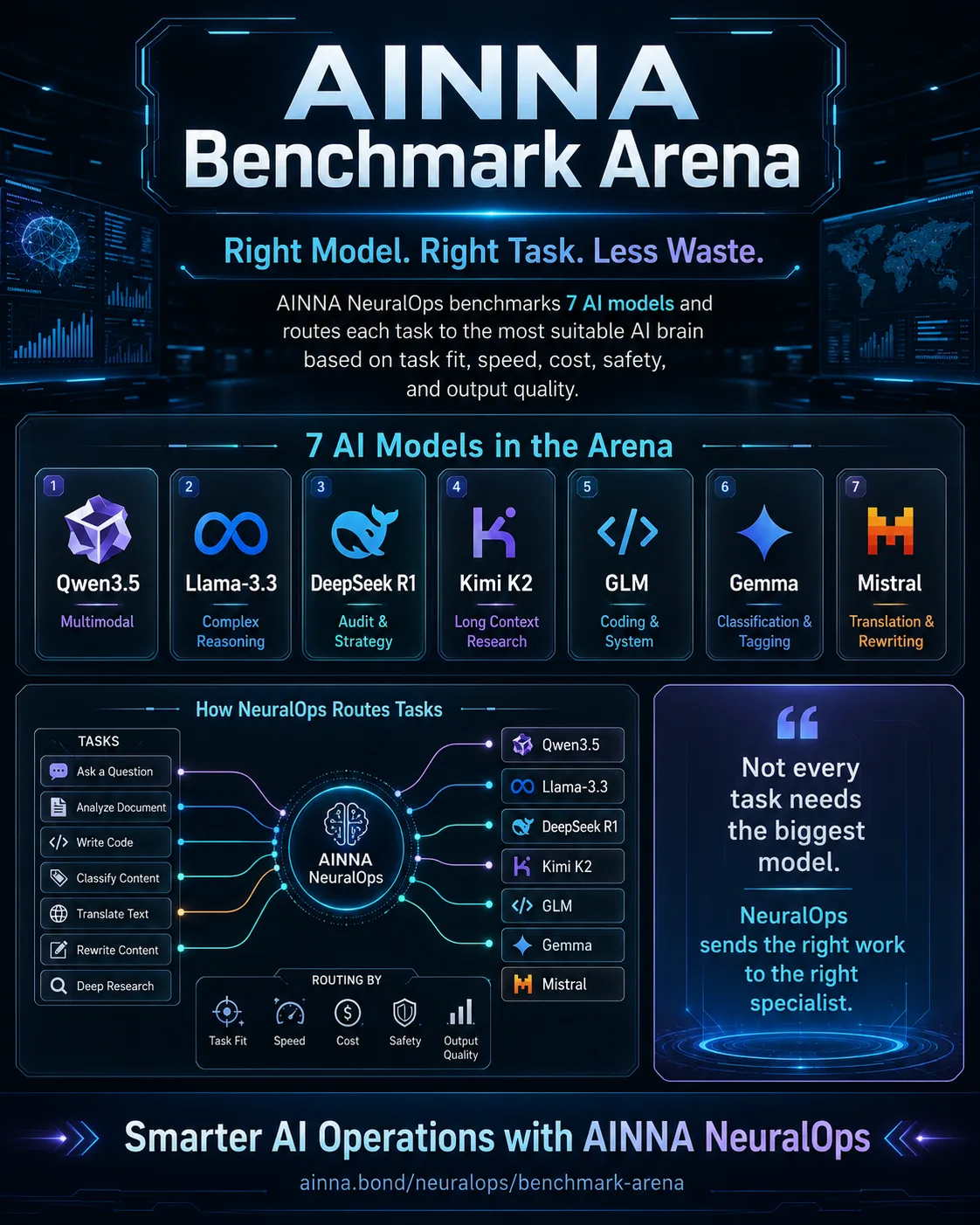
Not every task justifies the cost of the most powerful AI model. A simple database query should remain a database query. A deterministic calculation should remain deterministic. Lightweight tasks can use lebih kecil, lebih murah models, while large models are reserved for complex reasoning that drives real value.
The cost-control principle becomes:
Right Tugasan → Right System → Right Model → Right Compute
This reduces unnecessary token consumption, infrastructure cost, computational waste and hidden budget leakage.
For finance and accounting leaders, this is the next stage of enterprise AI.
At AINNA, we see Malaysian PKS moving from AI experimentation to AI operations.
The PKS that succeed will not necessarily be those licensing the biggest models.
They will be those that know where AI should be used, where deterministic systems should remain, how it should be governed, and how it can deliver measurable operational and financial value.
That is the financially accountable direction behind NeuralOps.
#ArtificialIntelligence #NeuralOps #AIAgents #AgenticAI #Automasi #DigitalTransformation #EnterpriseAI #Industry40 #ESG #Inovasi #Teknologi #AIInfrastruktur














Ruang pembaca
Apa pendapat anda?
Komen disemak sebelum diterbitkan. Email diperlukan untuk moderasi dan tidak dipaparkan kepada pembaca.
Terus terang, 40 ni menarik.
Simpan, sebab 40.
Tulisan yang bagus. 40 sahaja dah berbaloi.