Not long ago, building 30 corporate websites in two languages could require a team of almost 10 people, including developers, designers, translators, content writers, SEO specialists, QA testers and project managers. The process could take weeks or months, with significant development and maintenance costs.
Today, the same type of work can be completed within one or two hours using clear instructions, structured automation and AI-assisted development. In some cases, the processing cost can remain below a few dollars, especially when the workflow is designed around efficiency rather than depending entirely on large AI models.
The first principle is Smart Routing. Simple tasks such as file checking, text replacement, validation and repetitive updates should be handled by scripts, rules or lightweight models. Lagi capable AI models should only be used for work that genuinely requires reasoning, language context or quality review.
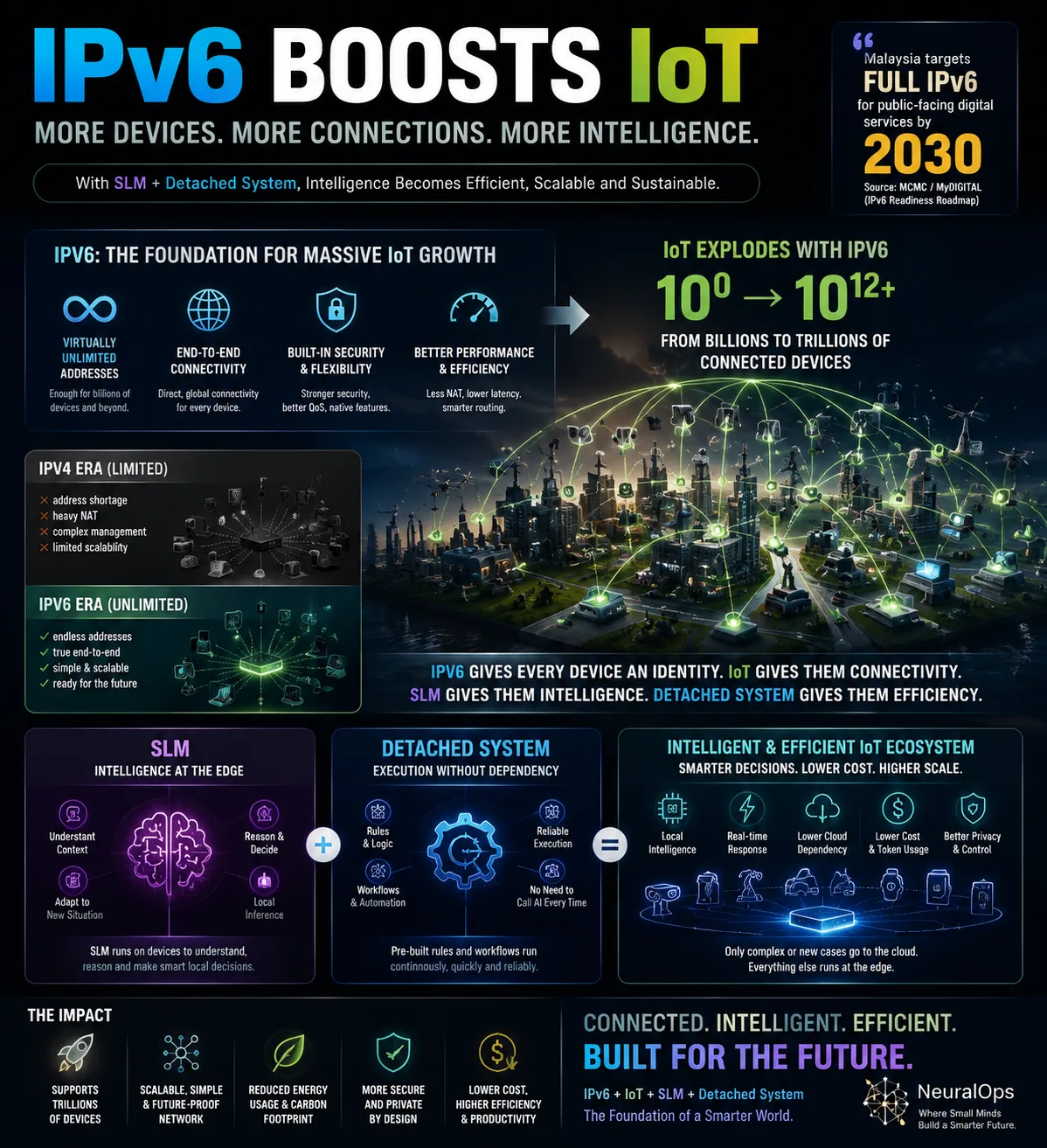
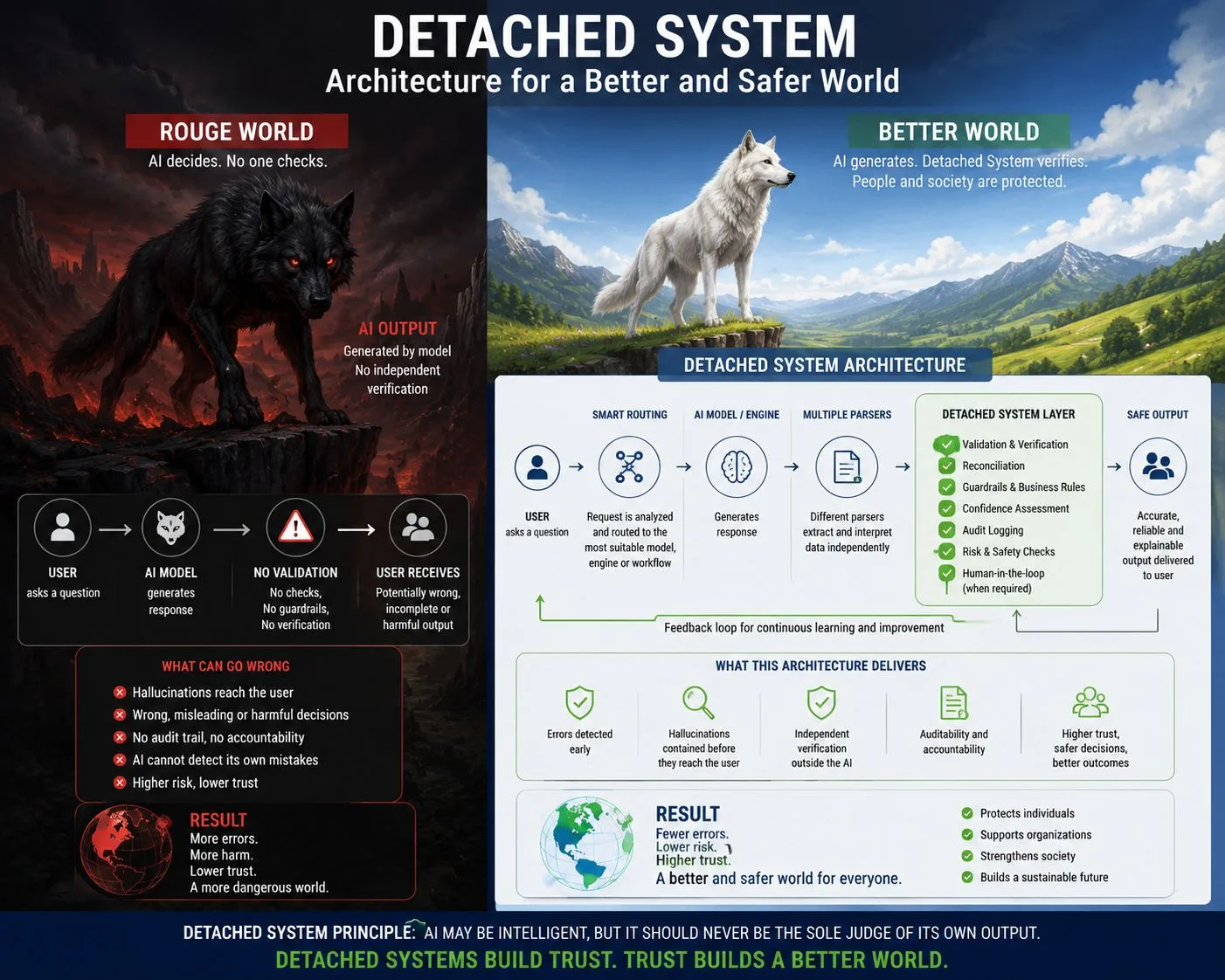
The second principle is the Sistem Berasingan. Deterministic processes such as server-side rendering, domain mapping, syntax checking, SEO validation and deployment testing should operate independently from AI. This reduces cost, improves reliability and prevents the entire workflow from depending on one model.
The third principle is Segmentation. A large project should be divided into lebih kecil stages such as audit, extraction, translation, implementation, testing and reporting. Each stage should have a clear input, output and validation rule, making the process easier to control, verify and improve.
Finally, strong Guardrails are essential. Terjemahan keys, fallback rules, protected technical terms, schema validation, syntax tests and human approval help prevent hallucination and ensure that inaccurate or fabricated data does not enter production. The real advantage is not simply using AI, but building the right architecture around it.
#ArtificialIntelligence #Automasi #SmartRouting #DetachedSystem #Segmentation #Guardrails #WebDevelopment #DigitalTransformation #AINNA #NeuralOps