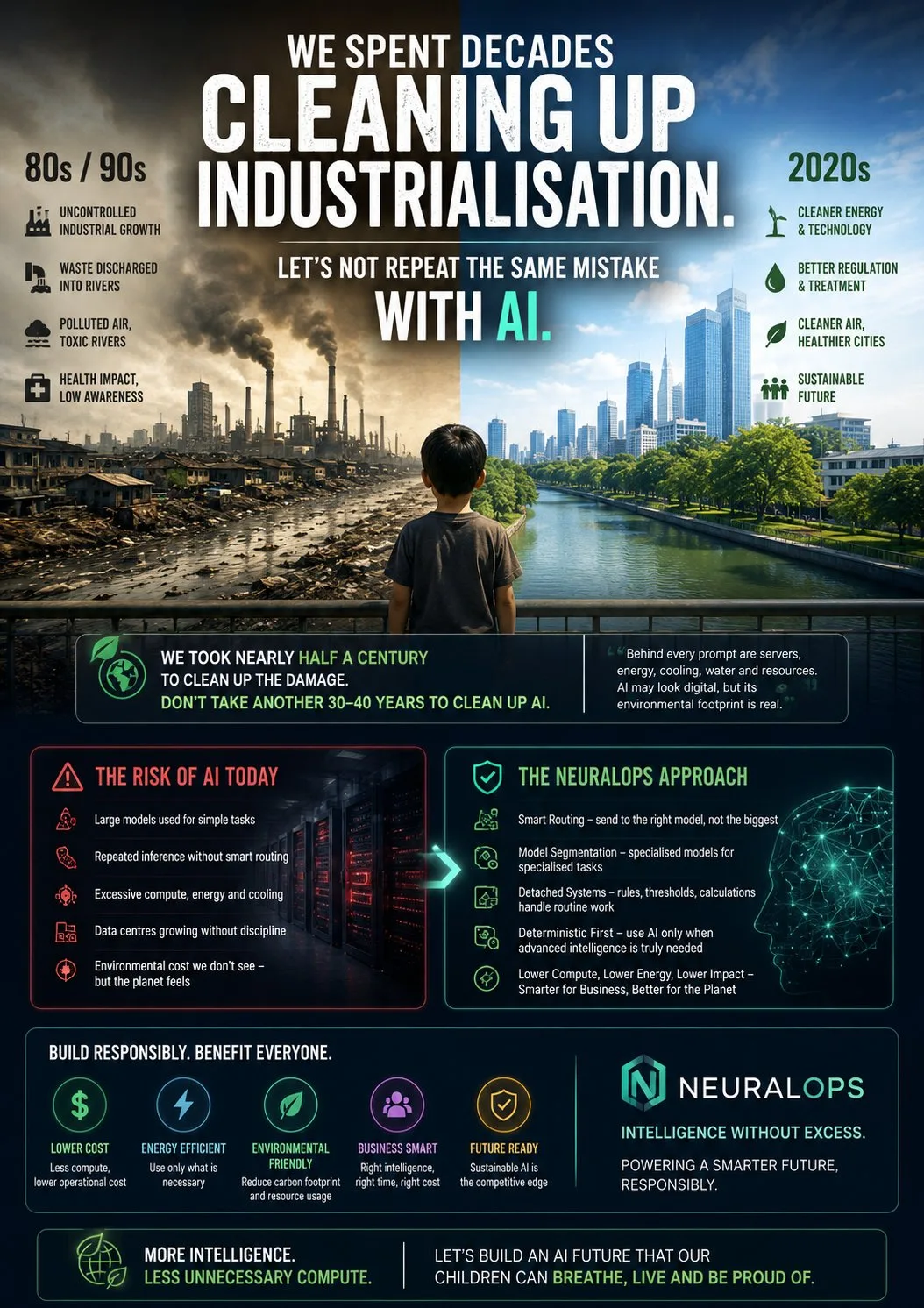
I began my finance career in the 1990s, when Malaysian manufacturers were expanding fast and environmental compliance was still treated as a deferred cost rather than a core line item. One of the industrial belts I worked in had rivers that regularly failed discharge standards and air that carried a visible load.
Malaysia was not the only one. Across Asia, factories scaled rapidly, agriculture intensified, livestock operations grew, and waste controls remained weak for years.
By the 1980s and 1990s, environmental awareness became harder to ignore. Cleaning rivers, improving air quality and changing industrial practices required regulation, capital works, monitoring systems and, most importantly, time that had already been lost.
I still remember a supplier audit in Busan, Korea in 1998. Heavy rain mixed with severe pollution made the working air almost unbreathable, and the respiratory illness that followed kept me away from the office for weeks. It was a clear lesson: environmental risk is a productivity and personnel cost, not just a regulatory one.
From the 2000s onward, progress became measurable. Wastewater treatment plants, emissions controls, renewable energy capacity, cleaner logistics and electric vehicles all expanded. Kerajaans and enterprises in China, Korea, Malaysia and elsewhere poured capital into correcting the environmental balance sheet created during decades of uncontrolled industrialisation.
Today, many cities are far cleaner than they were thirty years ago.
That progress should remind every PKS owner and finance manager of one thing: environmental damage is avoidable, but preventing it at the design stage is materially lebih murah than remediating it later.
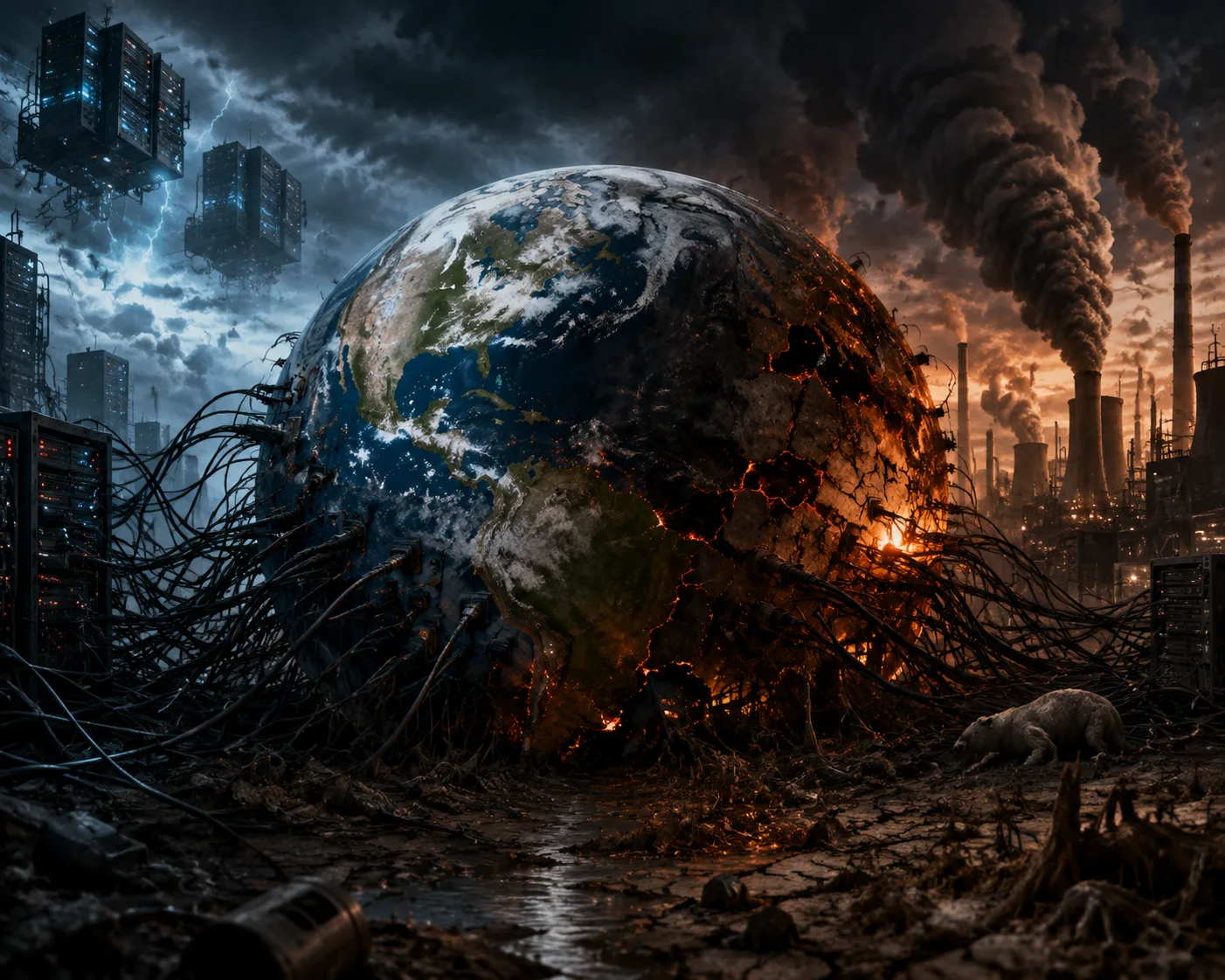
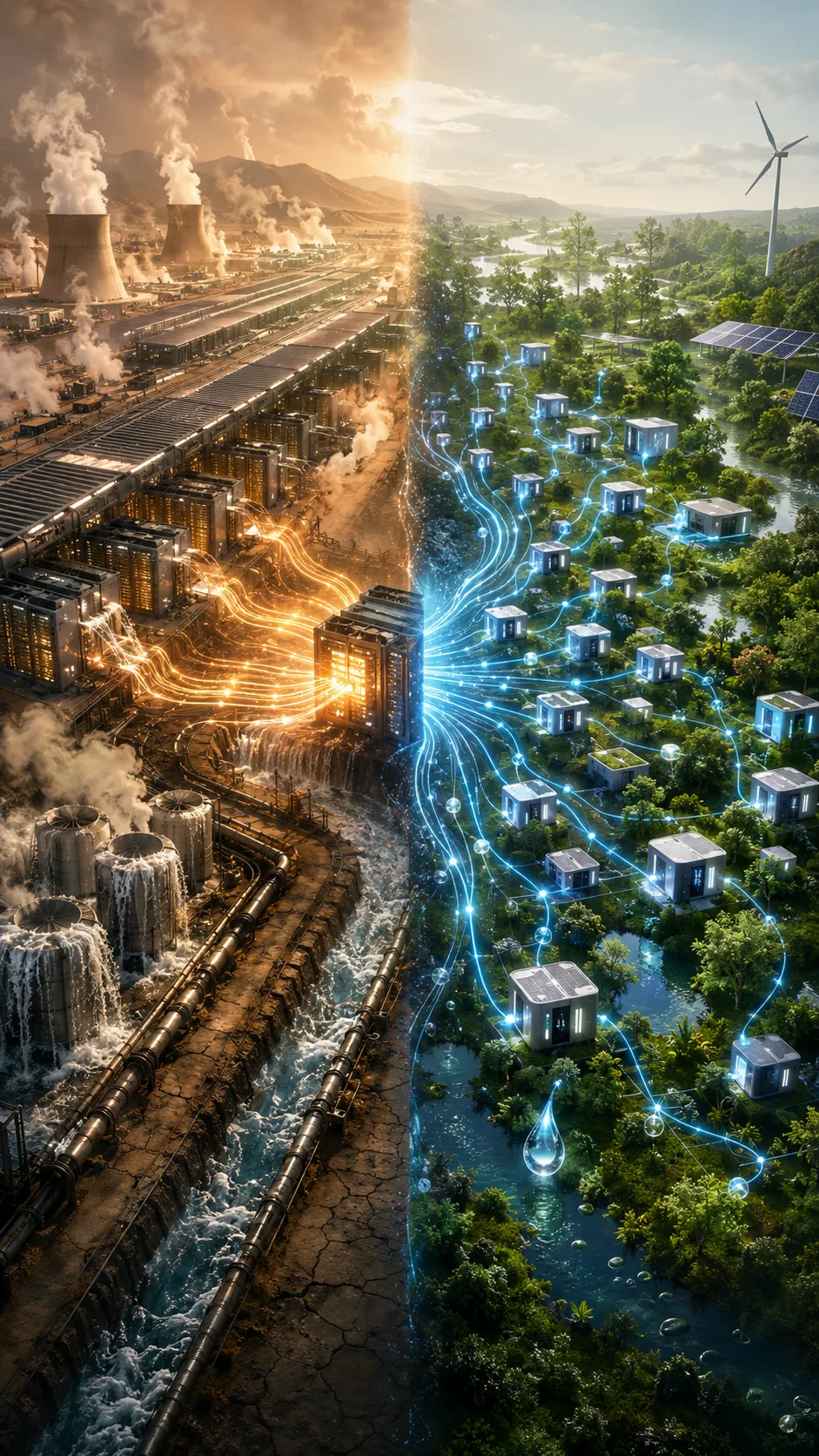
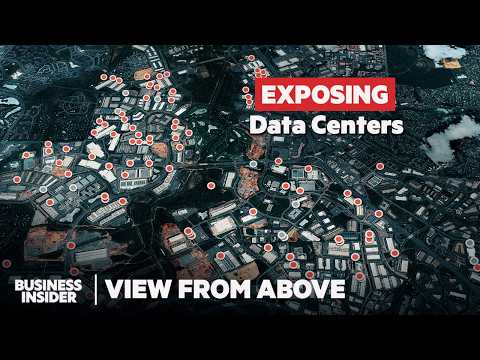
This is why I now scrutinise the way Artificial Intelligence is being procured and deployed. Large models are frequently routed to routine tasks, inference is repeated without reuse, and systems are assembled without proper routing, segmentation or deterministic processing. Behind every AI request sit GPUs, servers, electricity, cooling systems, water and depreciating physical infrastructure. AI may look like pure software, but its jumlah cost of ownership and environmental footprint are very real.
The problem is not AI. The problem is using AI denganout financial and operational discipline. We spent decades and enormous capital cleaning up after uncontrolled industrialisation. We should not repeat the same mistake with Artificial Intelligence. At AINNA, we apply the NeuralOps principle: use advanced AI only when advanced intelligence is genuinely required. Smart Routing, specialised models, detached systems and deterministic processing reduce unnecessary compute, lower energy opex, extend hardware life and protect against carbon liabilities. For Malaysian PKS, that discipline translates into lower utility bills, better asset utilisation and compliance-ready carbon accounting. Bina more intelligence. Use less unnecessary compute. Design responsibly from the start.













Ruang pembaca
Apa pendapat anda?
Komen disemak sebelum diterbitkan. Email diperlukan untuk moderasi dan tidak dipaparkan kepada pembaca.
Orang yang tulis ni memang buat kerja rumah pasal 1990.
Bagian 1990 ini yang bikin saya berpikir ulang.
Saya suka bagian 1990 karena tidak terlalu teoretis.
เพิ่งเคยเห็นคนเขียนเรื่อง1990แบบตรงไปตรงมา
I read this twice. Heavy rain mixed with severe is the part that stuck.
Pinag-iisipan ko pa ang 1990.
Useful. We are dealing with environmental awareness became harder right now.
Clearer than the vendor decks I get about progress became measurable.