For the past few years, the AI industry has been obsessed with building smarter models, better prompts and more AI-powered applications. While this has accelerated innovation, it has also created a baharu challenge. As organisations deploy AI at scale, the biggest problem is no longer the model itself. The real challenge is how AI is orchestrated, governed and integrated into day-to-day operasi.
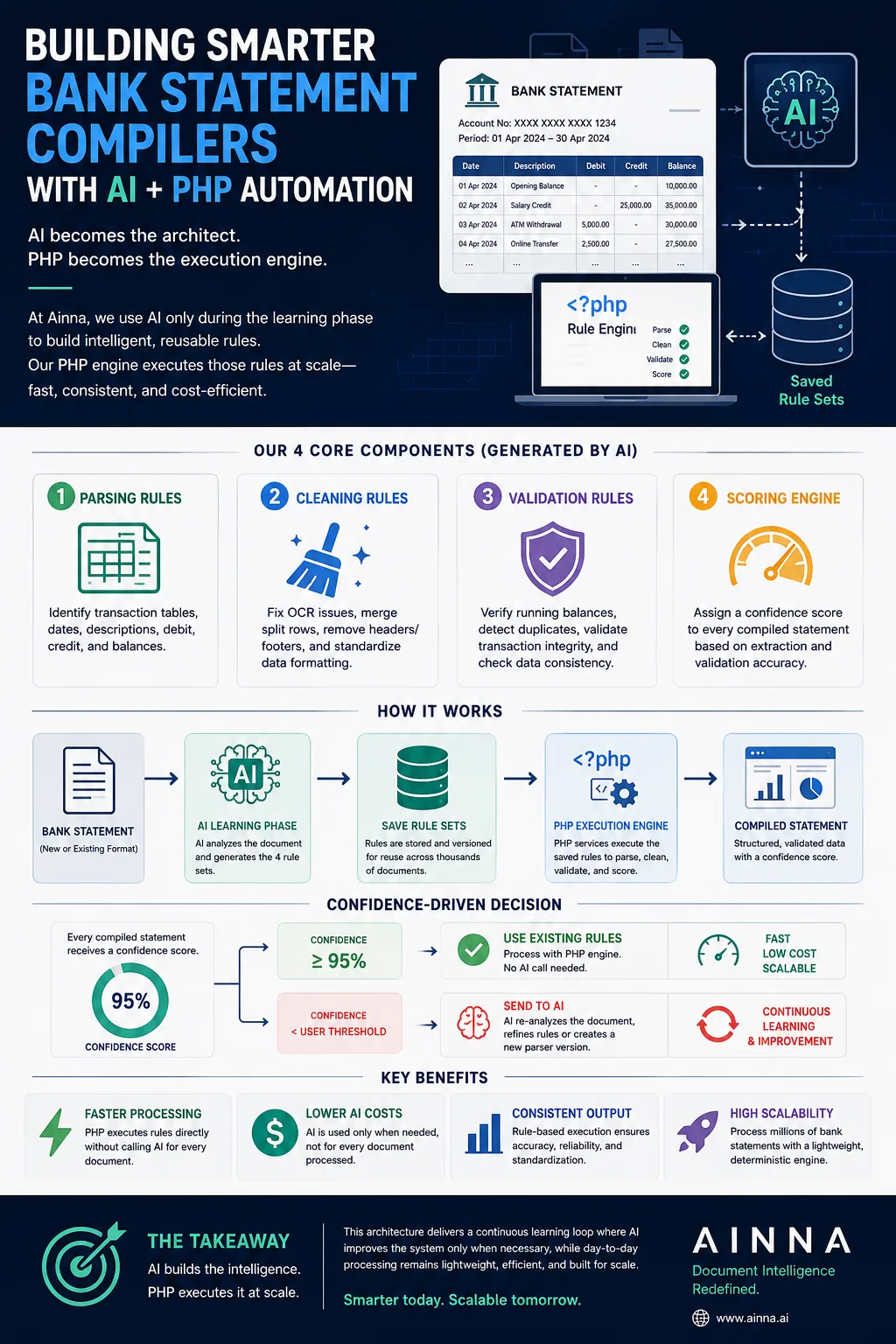
Every unnecessary AI request consumes GPU resources, increases operational costs, generates additional energy demand and introduces avoidable latency. Many business processes do not require advanced reasoning at all. Tasks such as parsing, validation, routing, calculations and structured decision-making are often deterministic and can be completed more efficiently without invoking a large language model.
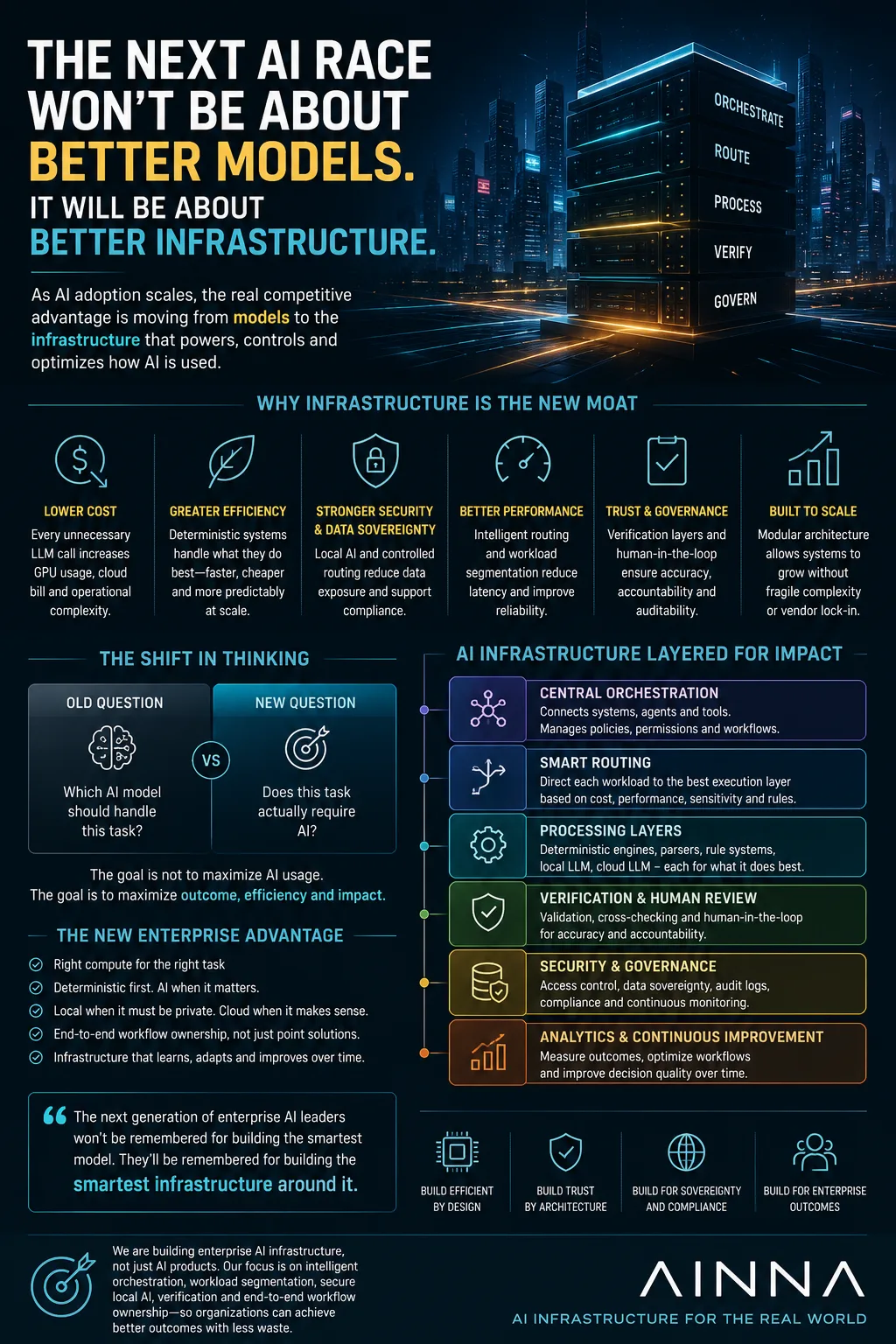
This raises an important engineering question: instead of asking "Which AI model should perform this task?", perhaps we should first ask "Does this task actually require AI?" The answer has significant implications for cost, scalability, security and sustainability.
I believe enterprise AI is entering a baharu phase where success will depend less on using the most powerful model and more on designing the right processing architecture. Deterministic systems, intelligent routing, local AI infrastructure, verification layers and cloud AI each have different strengths. The future belongs to organisations that know how to combine these technologies efficiently rather than sending every request to an LLM.
This architectural approach also strengthens data sovereignty, improves governance, reduces infrastructure costs and creates systems that are easier to audit and scale. In many cases, using less AI-while using it more intelligently-can produce better operational outcomes than maximising AI usage everywhere.
This thinking has influenced the direction of our own engineering efforts. Rather than focusing solely on building AI-powered produk, we have been investing in an orchestration architecture that intelligently segments workloads, separates deterministic processing from AI reasoning, routes each task to the most appropriate execution layer, and supports secure local AI deployment alongside cloud services. The objective is not to maximise AI usage, but to maximise operational efficiency.
The next generation of enterprise AI companies may not be remembered for building the smartest model. They may instead be recognised for building the smartest infrastructure around it. In the long run, infrastructure-not the model itself-could become the true competitive advantage.