


Physiotherapy · 7 min read
Published · Updated
Editorial note: This article was prepared for this website from the sources listed below. Unless a named clinical reviewer is shown, it has not been attributed to or clinically reviewed by an individual KPMC clinician.
Recovery should match the procedure
Activity restrictions and rehabilitation goals differ after each operation. Follow the surgeon and physiotherapist instructions for weight-bearing, movement precautions, wound protection and walking aids. More exercise is not always better; pain, swelling and fatigue should guide appropriate pacing.
Make movement safer
Use the prescribed aid at the correct height and practise transfers before attempting them alone. Wear secure footwear, improve lighting, clear loose rugs and cables, and keep essential items within easy reach. Stand up gradually, especially if medicines or reduced intake cause dizziness.
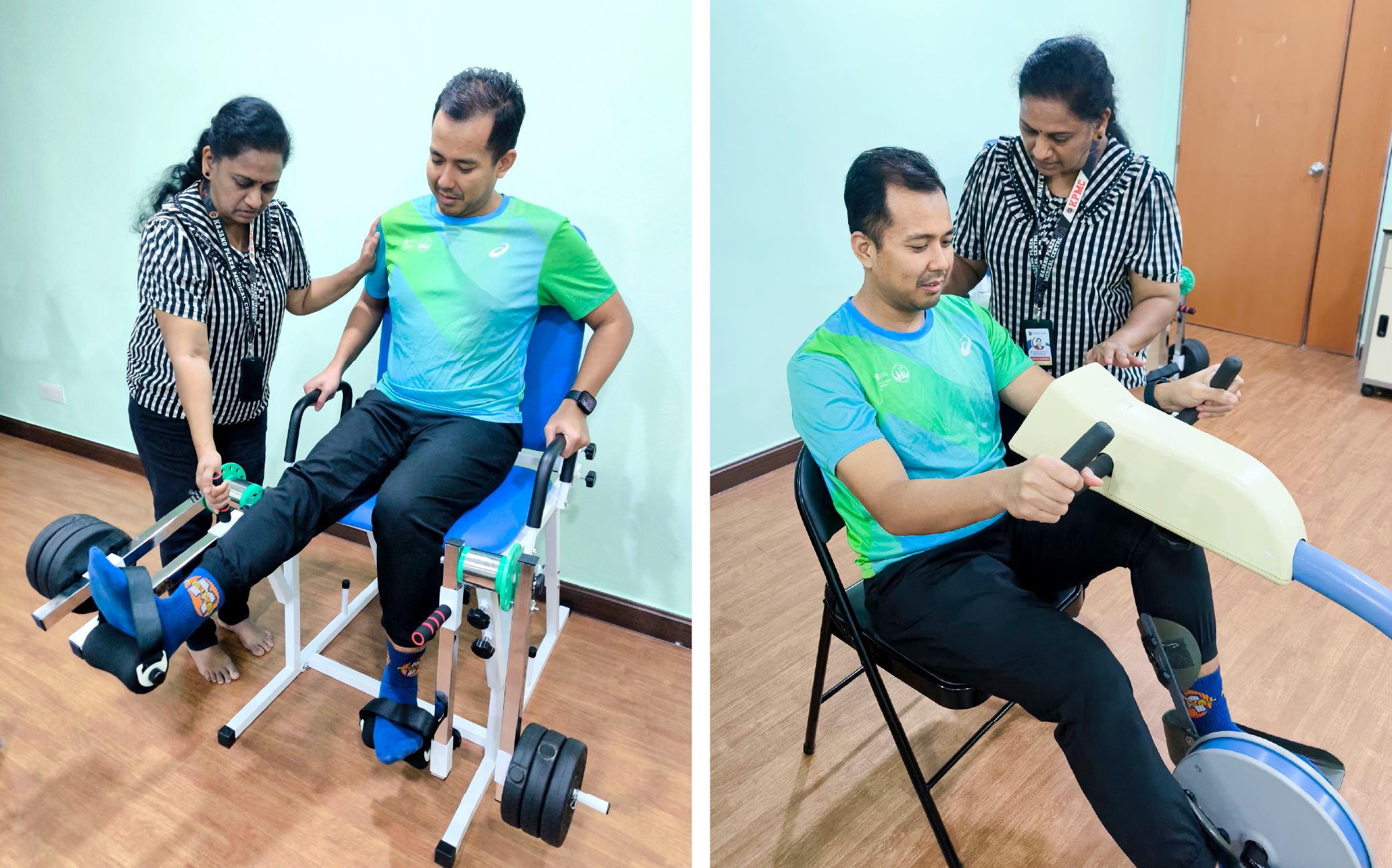
A physiotherapy plan may progress breathing exercises, circulation, mobility, strength, balance and everyday tasks. Keep exercises specific to your plan and report a consistent setback rather than pushing through it.
Review fall risks
Falls can reflect several factors, including muscle weakness, vision, footwear, blood pressure, medicines and home hazards. After a fall or near-fall, discuss these factors rather than relying only on a walking aid.
At a glance
Key takeaways
- Follow procedure-specific movement and weight-bearing guidance.
- Use walking aids and home modifications consistently.
- Report repeated falls, dizziness or a sustained decline in function.
When to seek care
- Seek emergency care for chest pain, sudden breathlessness, collapse, a new neurological deficit or serious injury after a fall.
- Hubungi the surgical team for wound problems, fever, marked calf swelling or pain that prevents prescribed movement.
General information only. This article does not replace medical advice, diagnosis or treatment. If symptoms are severe or rapidly worsening, seek urgent medical care. In Malaysia, call 999 for an emergency or go to the nearest emergency department.
Source notes
Article sources
KPMC services related to this topic
Find information about the relevant KPMC service. A healthcare professional can advise whether the service is suitable for your needs.
Tentang kami KPMC Physiotherapy Mohon temujanji