
From the finance desk, I still see Malaysian PKS treating headcount, attendance and office presence as their primary cost controls. We debate generational work styles, WFH versus the office, and who is more committed. Meanwhile, the more important conversation-how technology is changing the cost-output equation-is already happening everywhere else.
Look at large infrastructure projects like China's Chongqing East Railway Station. AI, robotics, LiDAR, automation and 5G did not just speed up construction; they reportedly cut safety incidents by around 90%. For a finance and accounting team, that is not only a safety metric. It translates directly into lower insurance exposure, fewer disruption costs, lebih pantas asset commissioning and a stronger return on capital employed.
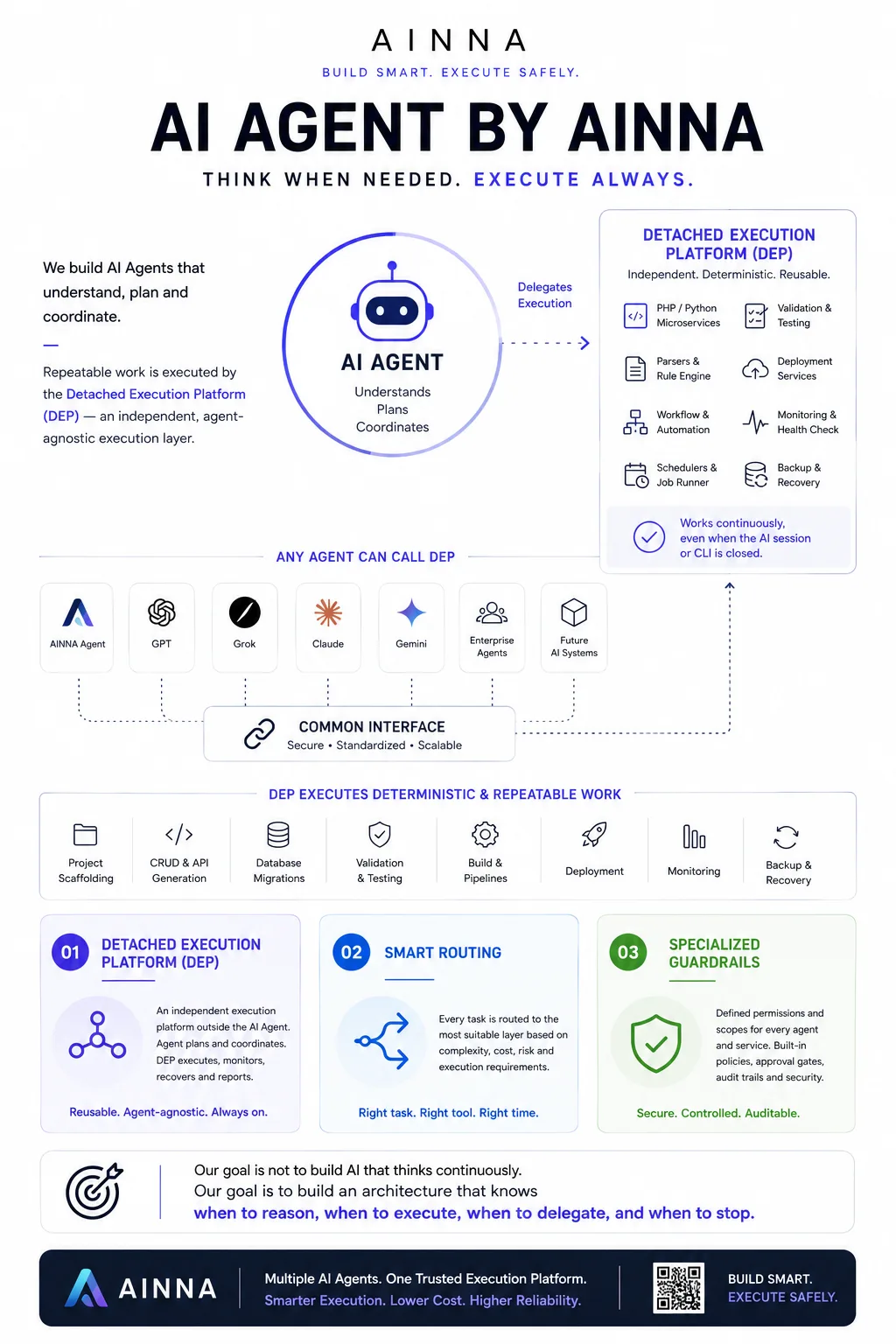
The uncomfortable reality is that many organisations are still optimising payroll and reporting structures for yesterday's operating model, while AI is already learning workflows, reconciling transactions, tracking assets and supporting decisions at a pace that manual processes cannot match. At AINNA, we see this most clearly in how PKS manage their accounting, inventory and fixed assets: the bottleneck is rarely talent intent; it is outdated systems.
For decades, the most valuable finance professionals were those who knew the standards, the controls and the closing process. That expertise still matters, but it is no longer sufficient on its own. Increasingly, value belongs to those who can combine accounting discipline with AI-enabled alatan to produce lebih pantas, more accurate and more actionable financial outputs.
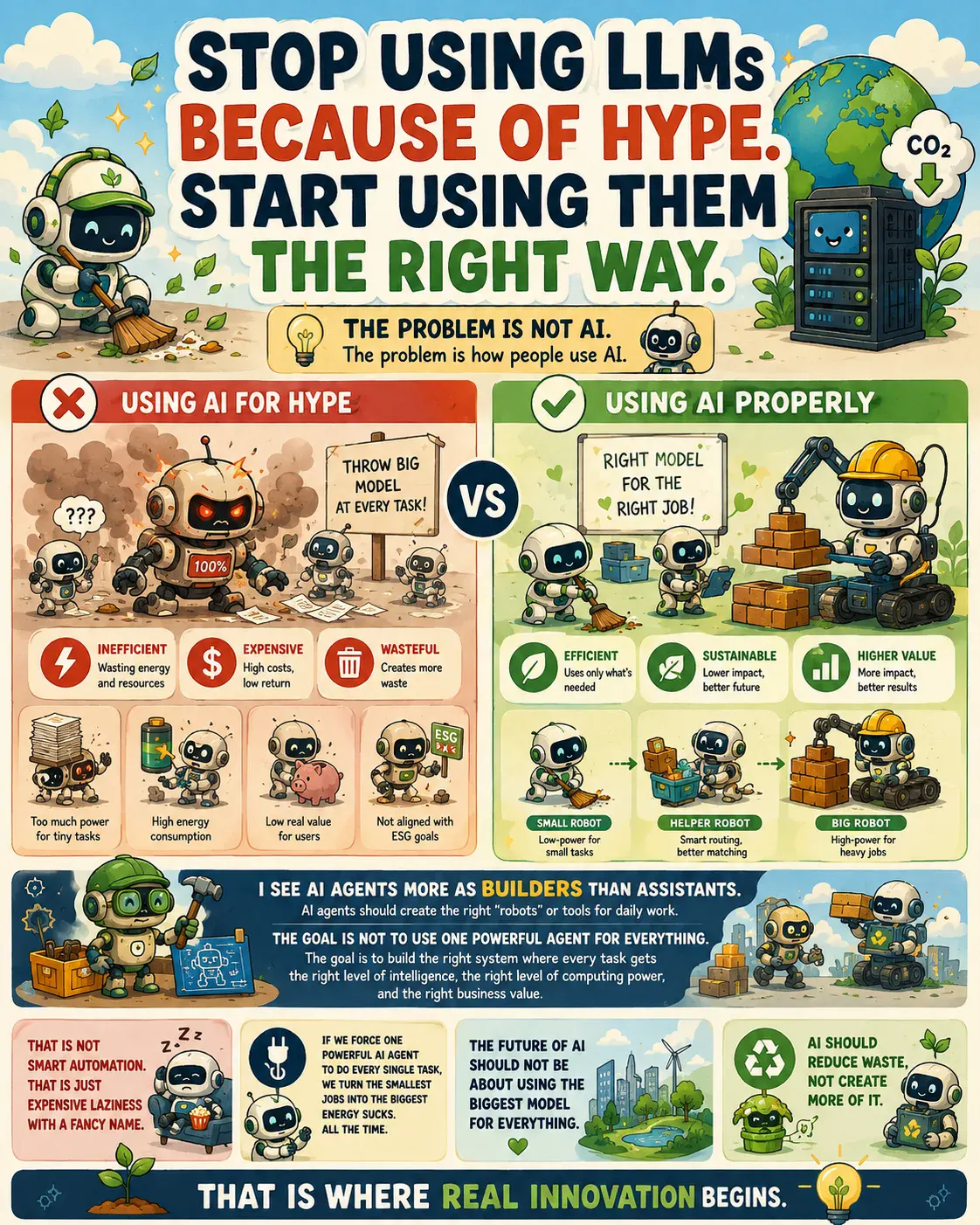
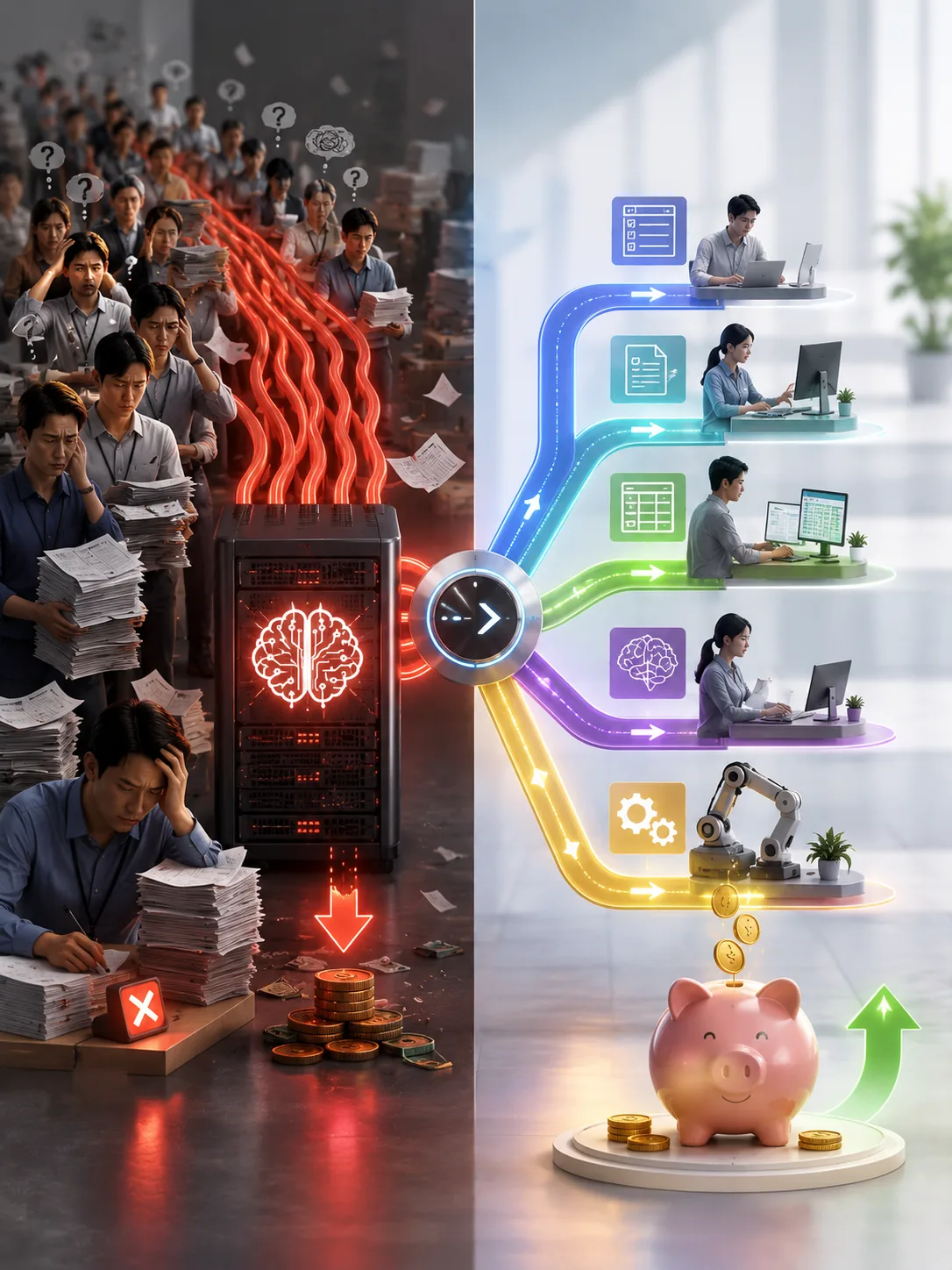
The biggest misconception is that AI will replace accountants and finance teams directly. It probably will not, at least not in the way people fear. But a lean finance team equipped with automation, accurate asset records and integrated systems can now handle the transaction volume that once required a much larger department. The competition is no longer headcount versus software; it is people who leverage technology versus people who do not.
We originally adopted technology to reduce repetitive tasks, close books lebih pantas and improve accuracy. By doing so, we have also changed the unit economics of finance operasi. Once the same output can be produced with fewer labour hours, the CFO's next question is straightforward: where should we redeploy that capacity-into analysis, growth, or customer value?
Perhaps Malaysian PKS are debating the wrong question. The future will not be decided by Gen Z versus Millennials, or WFH versus the office. It will be shaped by finance leaders who move beyond simply using AI and learn to manage it as a productive asset-measuring implementation cost, tracking productivity gains, and ensuring every digital investment improves the bottom line. At AINNA, that is exactly the outcome we design our solutions around.













Ruang pembaca
Apa pendapat anda?
Komen disemak sebelum diterbitkan. Email diperlukan untuk moderasi dan tidak dipaparkan kepada pembaca.
ส่วนหัวข้อนี้นี่ทำให้ผมคิดต่อ
This is where accurate asset records and integrated finally makes sense.
Still thinking about WFH versus the office.
Good to finally see close books lebih pantas set out this clearly.