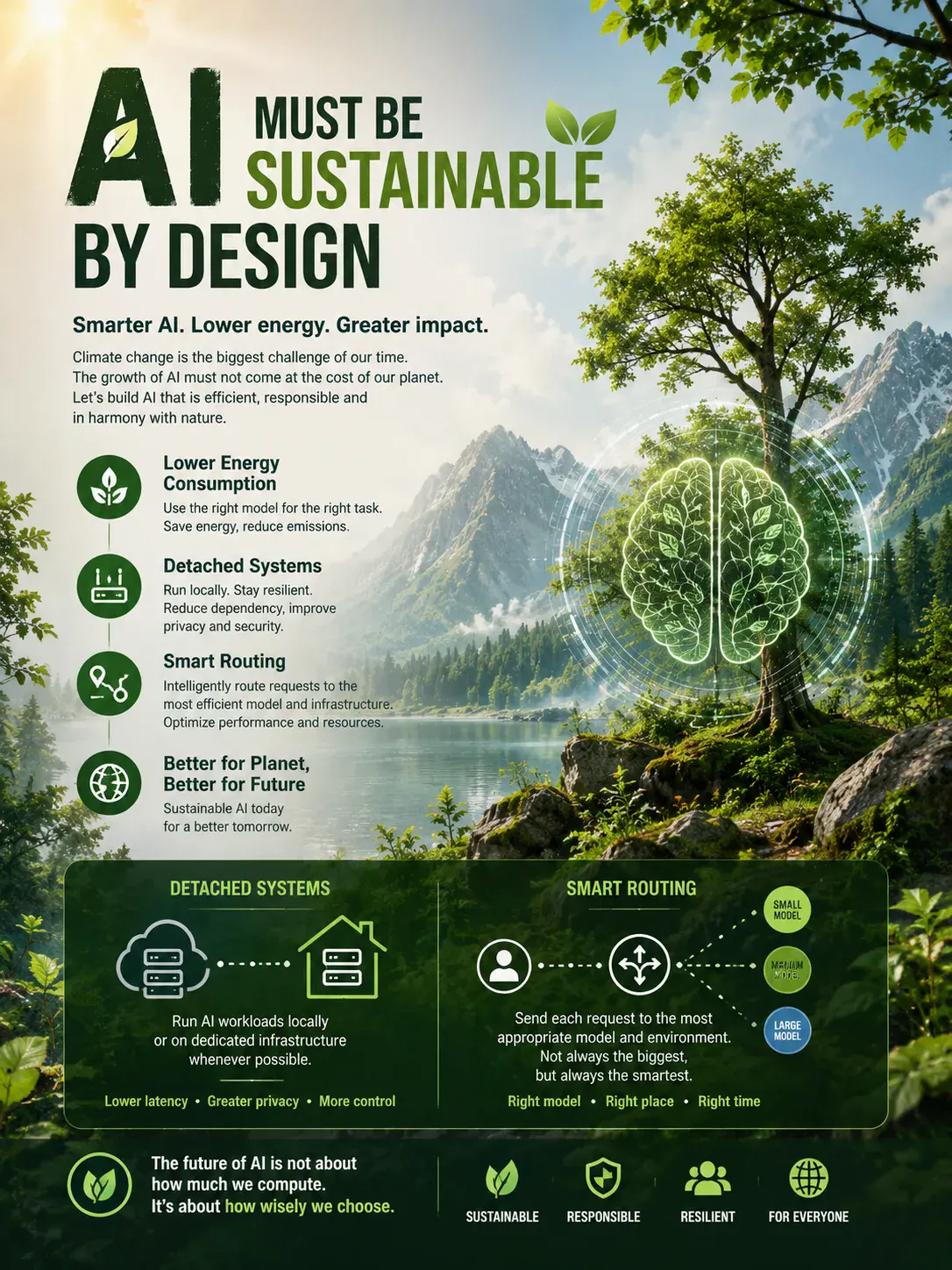
Rising energy prices and climate risk put AI infrastructure spending under the same scrutiny as every other balance-sheet decision.
For Malaysian PKS, every kilowatt, GPU hour, and cooling cost flows straight into operating expenditure. As AI adoption grows, so does the pressure on capital budgets, depreciation schedules, and utility bills. The question is no longer how much AI infrastructure to own, but how to extract more value per asset deployed.
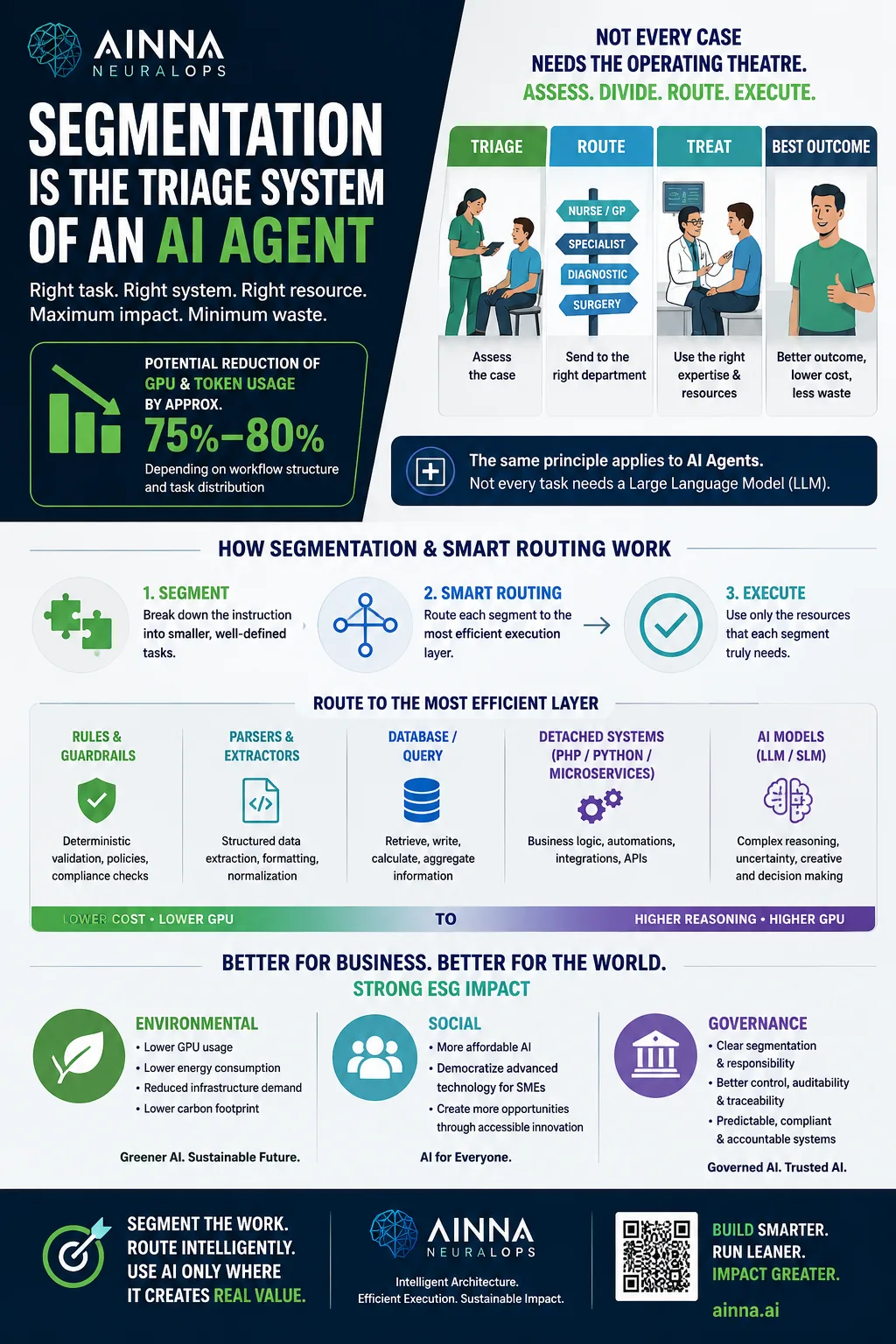
From a financial controls standpoint, that means combining Sistem Berasingan with Smart Routing.
Rather than routing every workload to the most expensive cloud model, Smart Routing matches each task to the right-sized model, keeping unit costs predictable. Sistem Berasingan then shift suitable workloads to local or dedicated infrastructure, turning variable cloud spend into controlled fixed-asset utilisation. The combined effect is measurable: lower electricity and bandwidth bills, reduced OpEx volatility, stronger data governance, and a balance sheet that retains value even when connectivity or cloud pricing fluctuates.
AI performance should not be measured by how many GPUs are purchased. It should be measured by asset turnover, utilisation rates, and the return each deployment delivers to the business.
Lower OpEx. Higher asset utilisation. Stronger resilience. AI that pays for itself, sustainably.














Ruang pembaca
Apa pendapat anda?
Komen disemak sebelum diterbitkan. Email diperlukan untuk moderasi dan tidak dipaparkan kepada pembaca.
सच कहूँ तो इस विषय ने चौंकाया।
First piece I have read that treats rising energy prices and climate honestly.
Angka tentang rising energy prices and climate lebih masuk akal daripada kebanyakan pos.