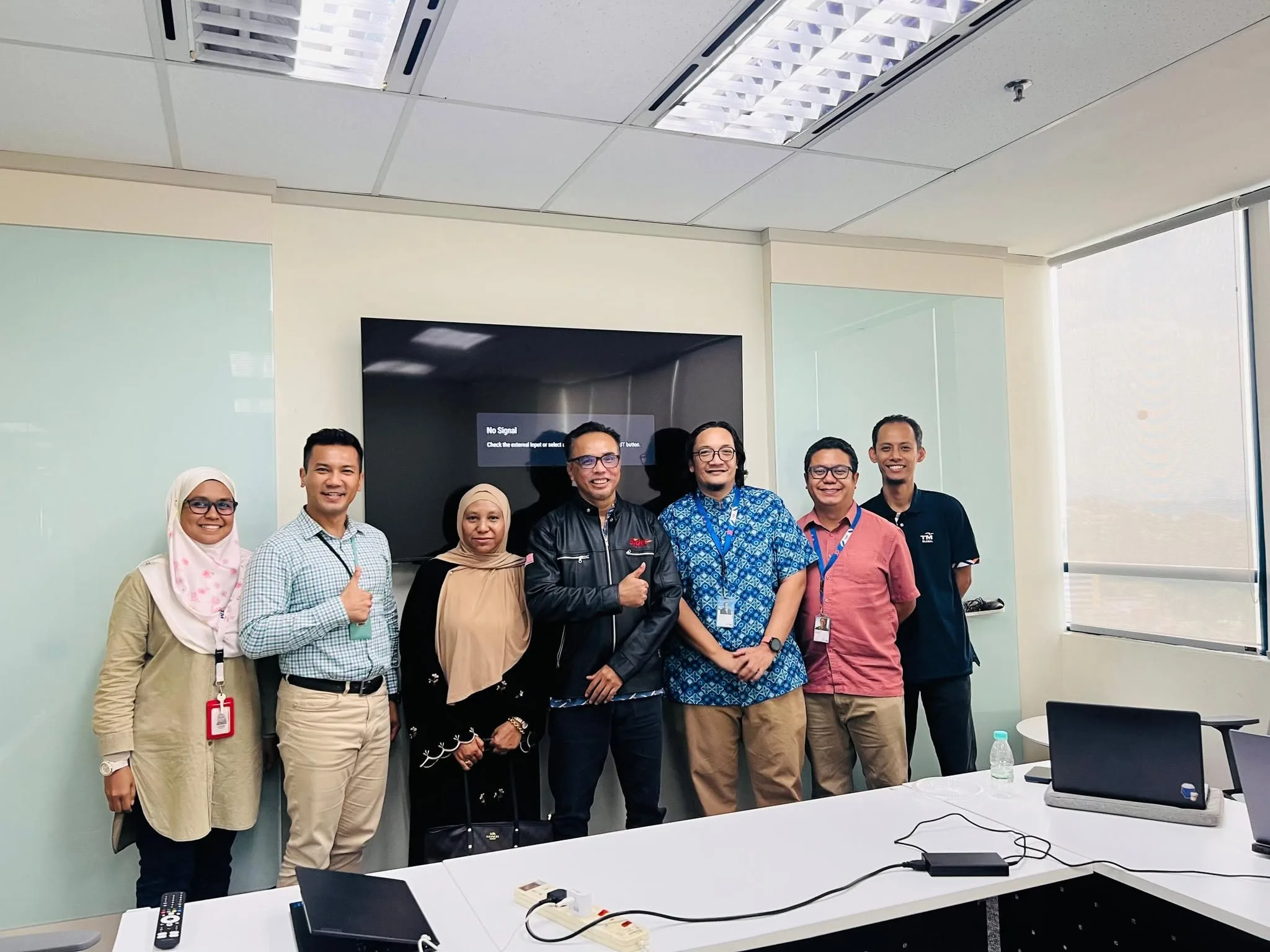
From the Kewangan and Perakaunan function at AINNA, I view yesterday's half-day discussion at TM Building on TM's GPU Server and Pelayan VPS offerings as a capital-planning milestone for AINNA NeuralOps. The objective was not simply to source compute capacity, but to structure an infrastructure model that converts high AI capital expenditure into controllable operating expenditure without compromising performance or governance.
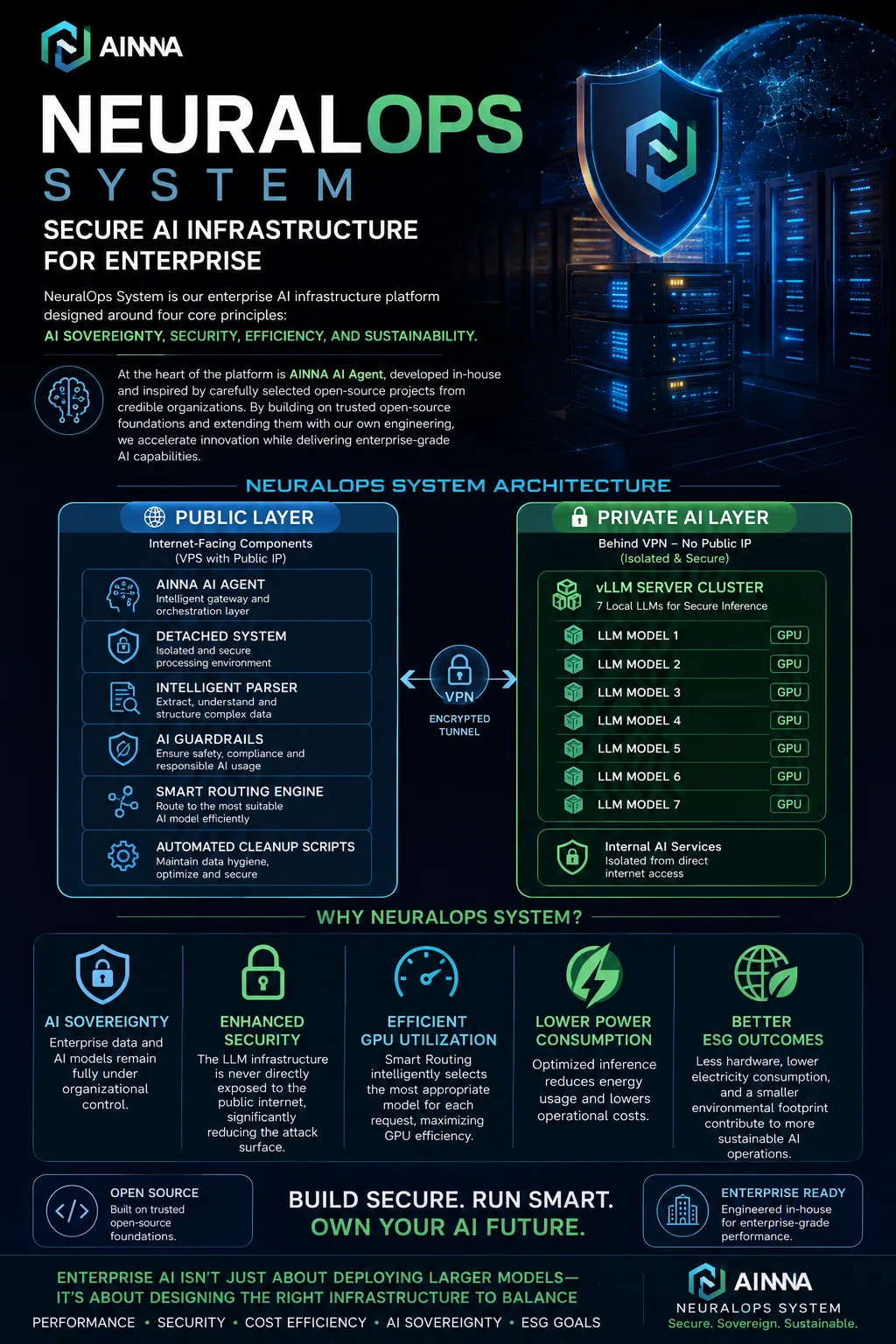
The agenda covered technical and commercial variables that directly affect the financial statements: LLM model sizing and licensing implications, VPN connectivity between the VPS and Pelayan LLM, recurring operating costs, system performance thresholds, and approaches to reduce maintenance overhead. Each item translates into either a cost line, a risk reserve, or an asset-capacity decision.
Initial agreements reached on both cost and technical parameters point toward an infrastructure that is more stable, secure, and scalable. From an asset-management standpoint, this means lower unplanned downtime risk, a clearer depreciation and amortisation profile, and the ability to scale capacity in line with PKS customer demand rather than absorbing large upfront hardware commitments.
This is a measured step in building an AI ecosystem that supports perniagaan sebenar operasi. For Malaysian PKS, the financial benefit is a controlled, predictable cost base linked to NeuralOps capabilities they can actually deploy and manage, rather than speculative capacity that sits underutilised on the balance sheet.














Ruang pembaca
Apa pendapat anda?
Komen disemak sebelum diterbitkan. Email diperlukan untuk moderasi dan tidak dipaparkan kepada pembaca.
Ngayon lang ako nakabasa ng tapat tungkol sa artikulong ito.
asset-management - that is the whole thing in one line.
First piece I have read that treats capital-planning honestly.
Sent this to two people already. predictable cost base linked is why.