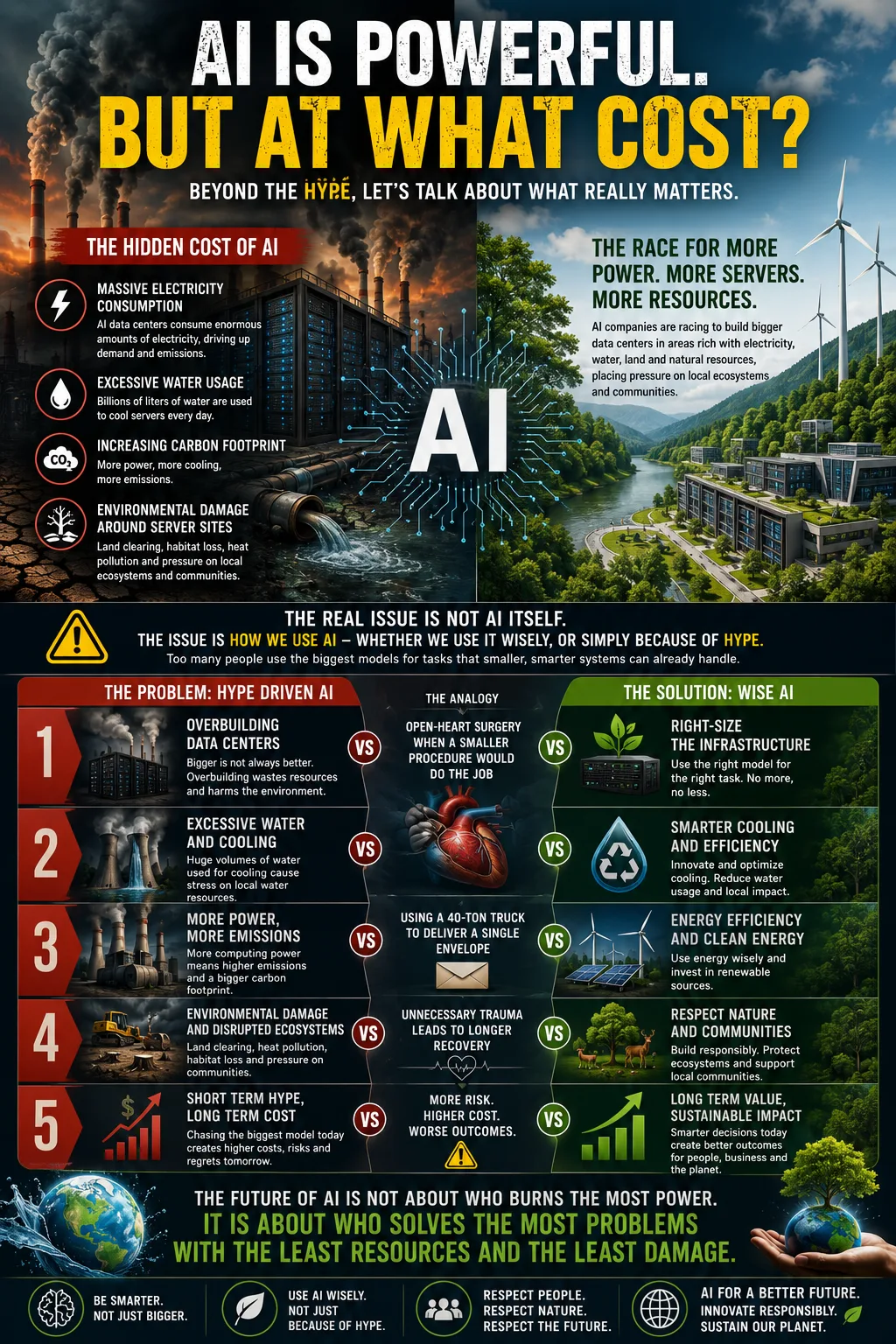
Large AI providers are racing to expand data centre footprints in regions with cheap electricity, abundant water, and available land. For Malaysian PKS, the lesson is not to replicate that scale, but to understand how asset-heavy AI deployments affect your profit and loss, balance sheet, and cash flow.
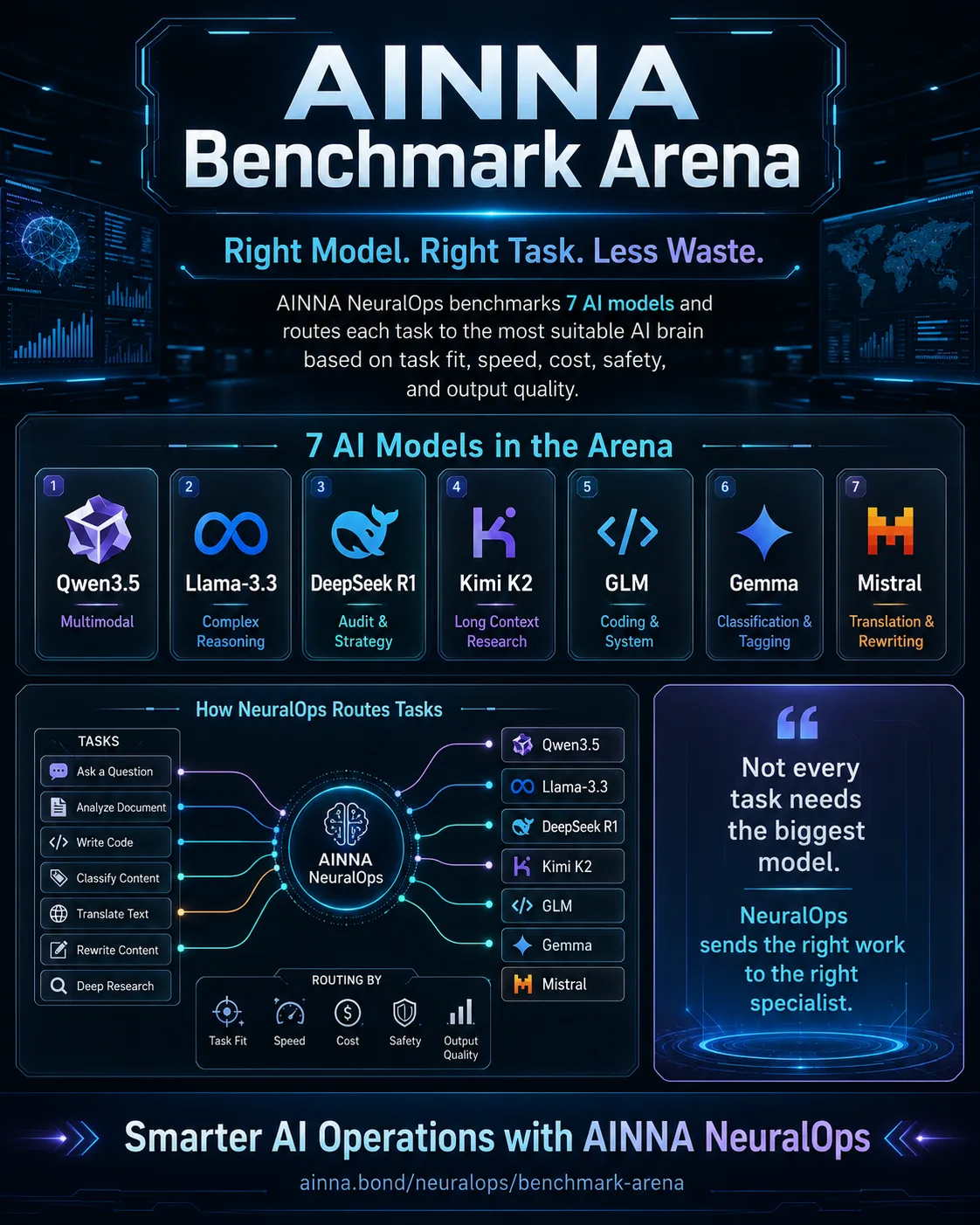
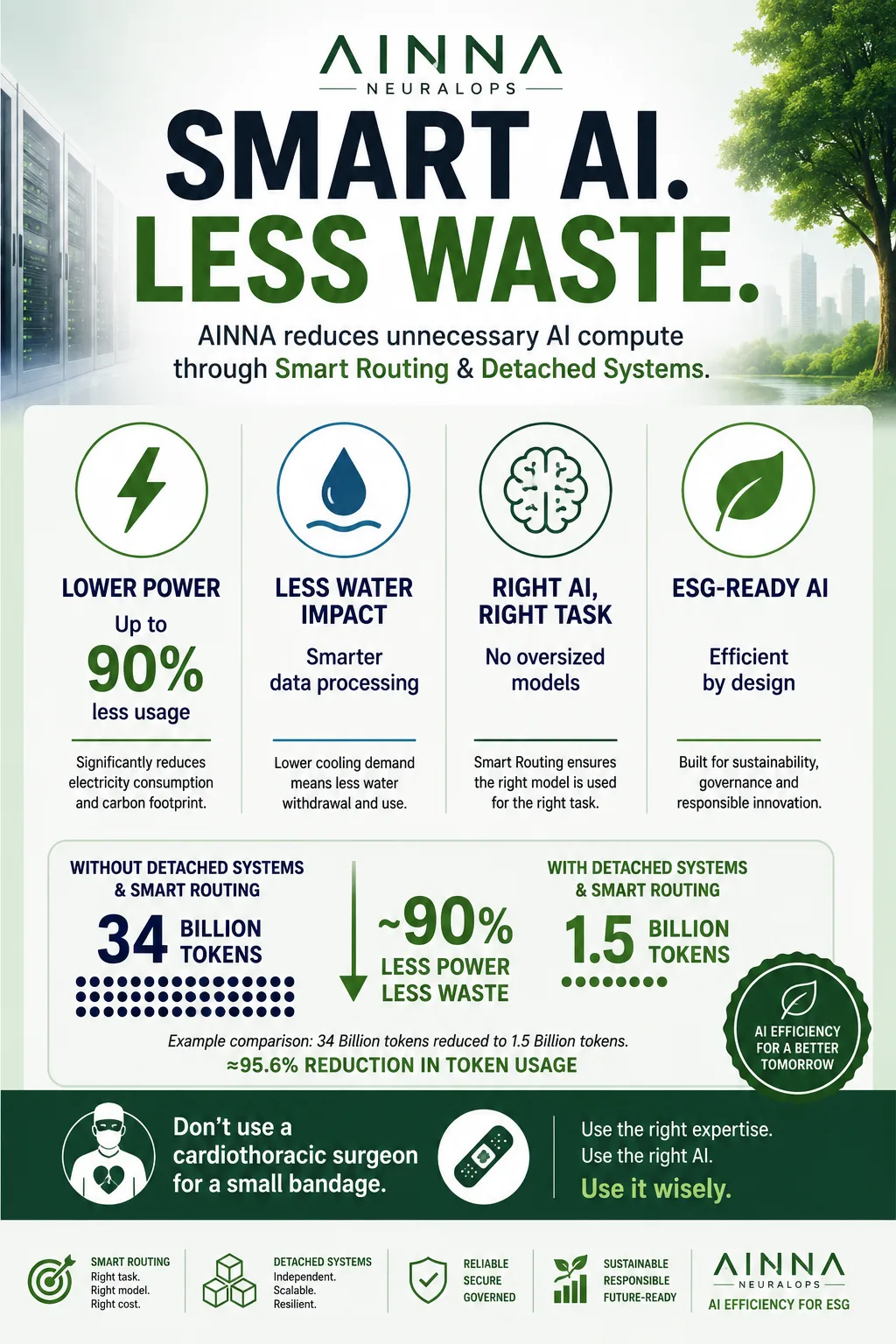
The real issue is not AI itself. The issue is how we allocate capital and operating expenditure to it. Deploying the largest model available for every task is the equivalent of capitalising a high-spec asset and then running it at ten percent utilisation. Smaller, task-optimised systems can deliver the same business outcome at a fraction of the cost.
Think of it like asset management: you do not book a premium heavy-machine unit for a job a standard tool can finish. A strong finance operation matches the capability of the asset to the size of the problem, then tracks the return.
The future of AI untuk PKS Malaysia is not about who spends the most on compute. It is about who can generate measurable business value - cost savings, lebih pantas reconciliations, sharper inventory control - with the lowest jumlah cost of ownership and the cleanest risk profile. That is the approach we build into AINNA solutions from day one.
Official Cross-Rangkaian Resource














Ruang pembaca
Apa pendapat anda?
Komen disemak sebelum diterbitkan. Email diperlukan untuk moderasi dan tidak dipaparkan kepada pembaca.
这个主题读起来很清楚,也容易跟着理解。
Worth reading for sharper inventory control alone.
First piece I have read that treats deploying the largest model available honestly.
पहली बार किसी ने इस हिस्से पर सीधे लिखा।
Clear and short. Sharing carbon-related with my team.
Nice one. Think of it like asset alone worth the read.
The case for too few Malaysian PKS is well made.
Useful. We are dealing with high-spec right now.