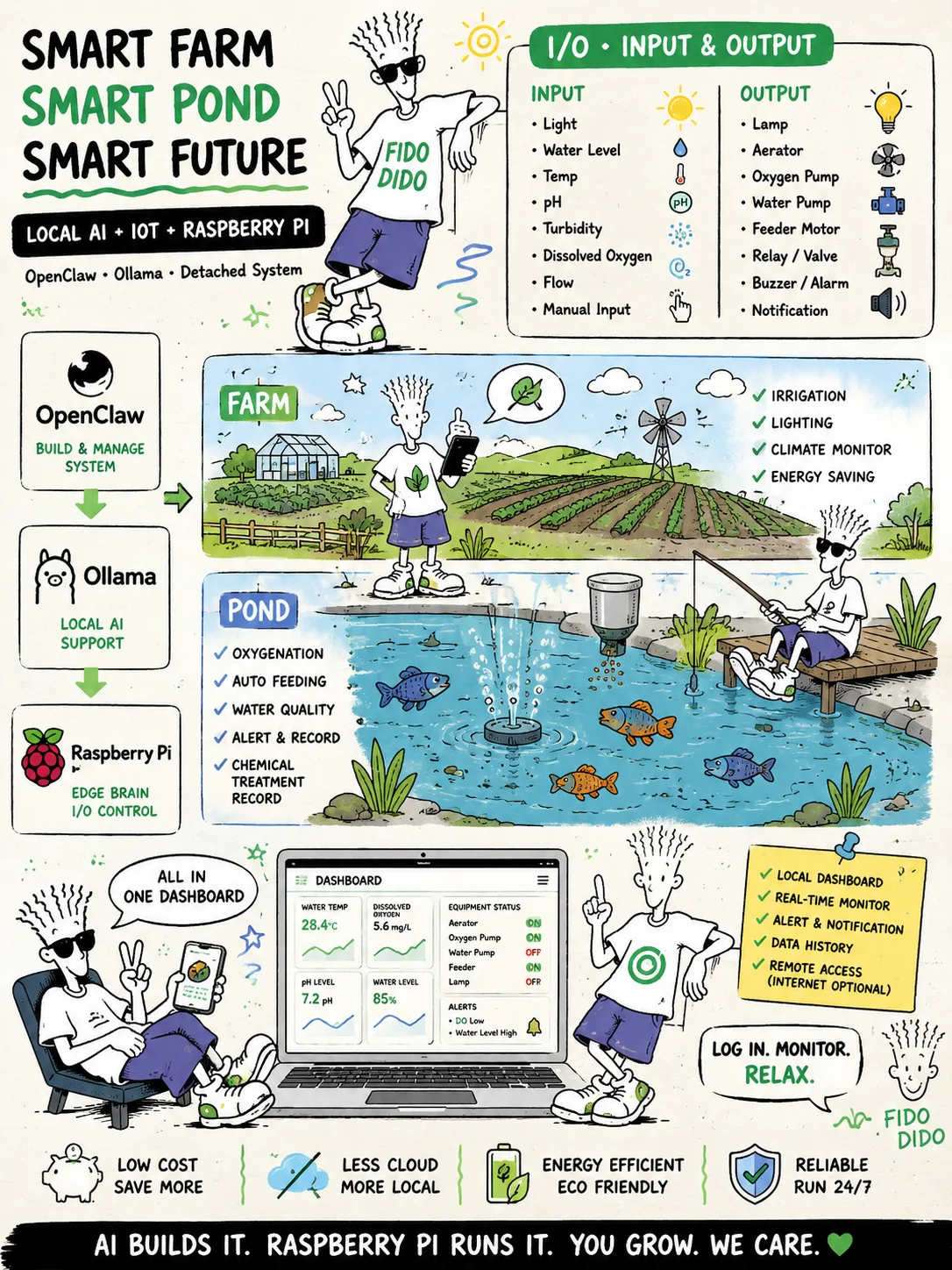
Raspberry Pi, OpenClaw and Ollama can become a practical local AI-IoT stack for smart farms and fish ponds.
With OpenClaw, a LAMP server can be set up directly on the Raspberry Pi to host a local dashboard. From this dashboard, farm owners can log in to monitor sensor readings, equipment status, feeding schedules, water conditions, treatment records, alerts and historical data.
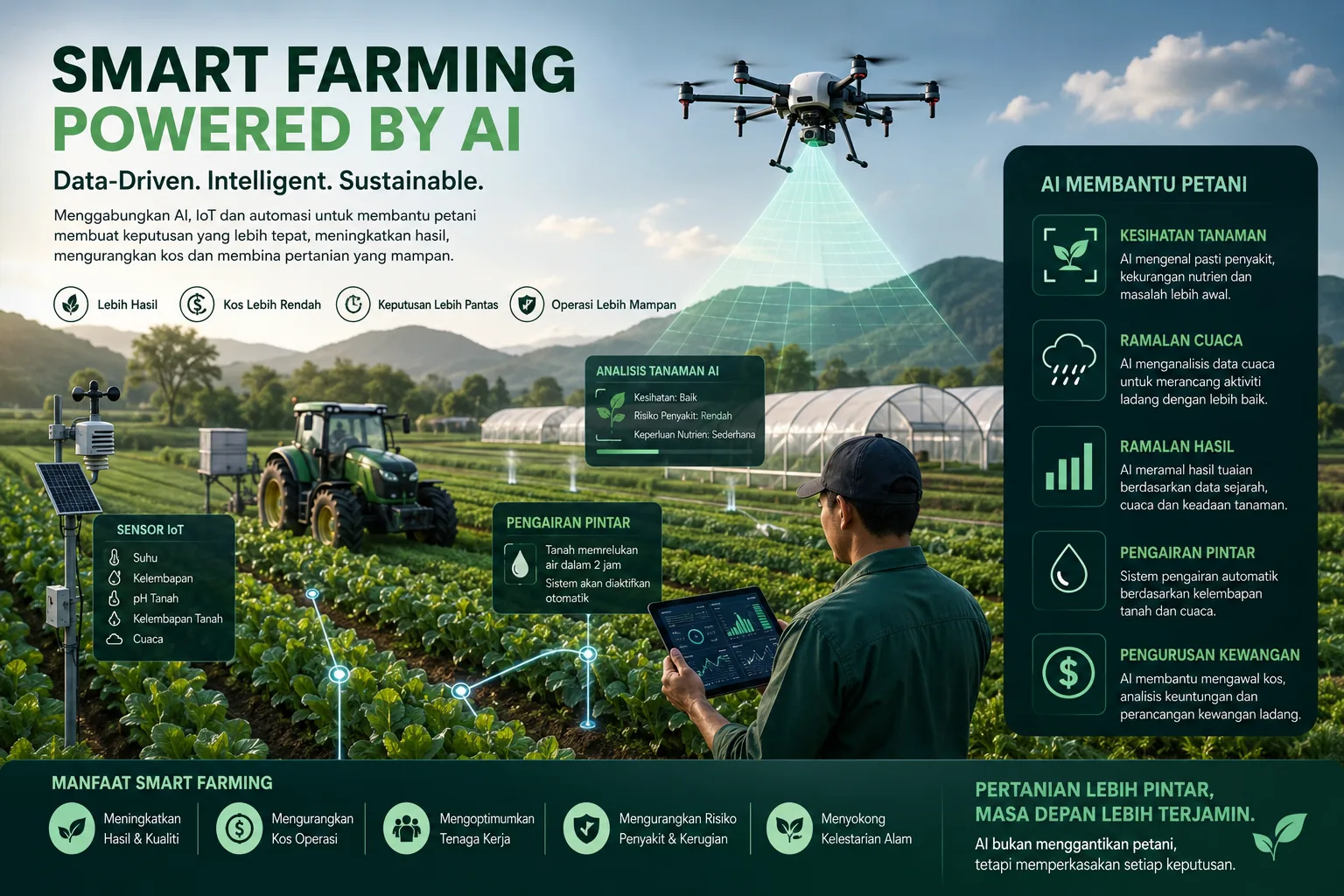
The foundation is I/O: input and output. Inputs may include light sensors, water level sensors, temperature sensors, pH sensors, turbidity sensors, dissolved oxygen sensors and flow sensors. Outputs may include lamps, aerators, oxygen pumps, water pumps, feeder motors, relay modules, warning buzzers and notification systems.
For fish ponds, when dissolved oxygen drops below a safe threshold, a detached Python system can automatically activate an aerator or oxygen pump. Feeding can be scheduled by time, pond zone or growth stage. If water quality becomes poor, the system can trigger alerts and record recommended actions for human review. Chemical treatment should remain SOP-driven with human approval before execution.
For farms, the same concept can support irrigation, lighting, greenhouse fans, misting systems, security lights and environmental monitoring. Each function can run as a small detached system, such as one script for oxygenation, one for feeding, one for lighting and one for dashboard reporting.
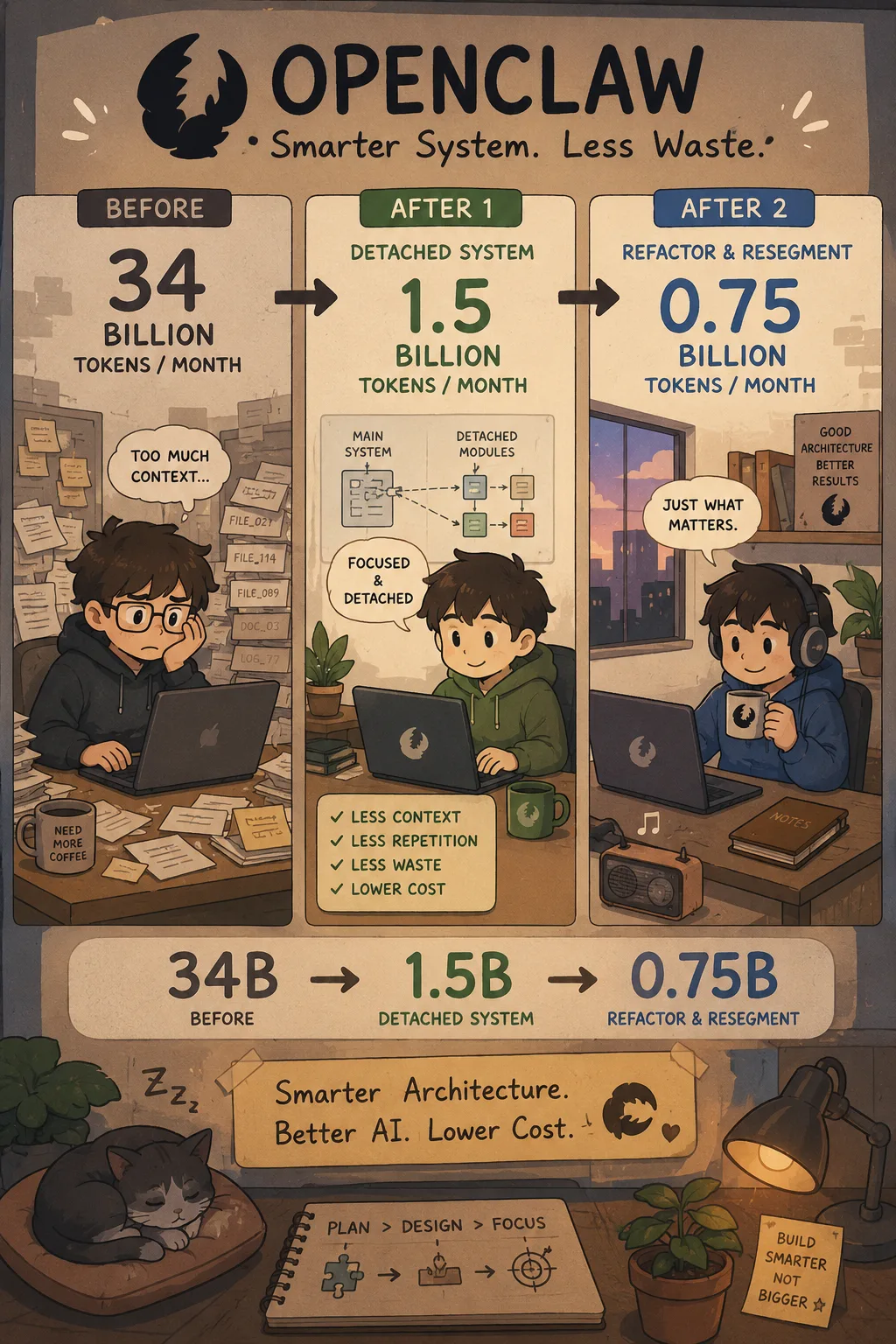
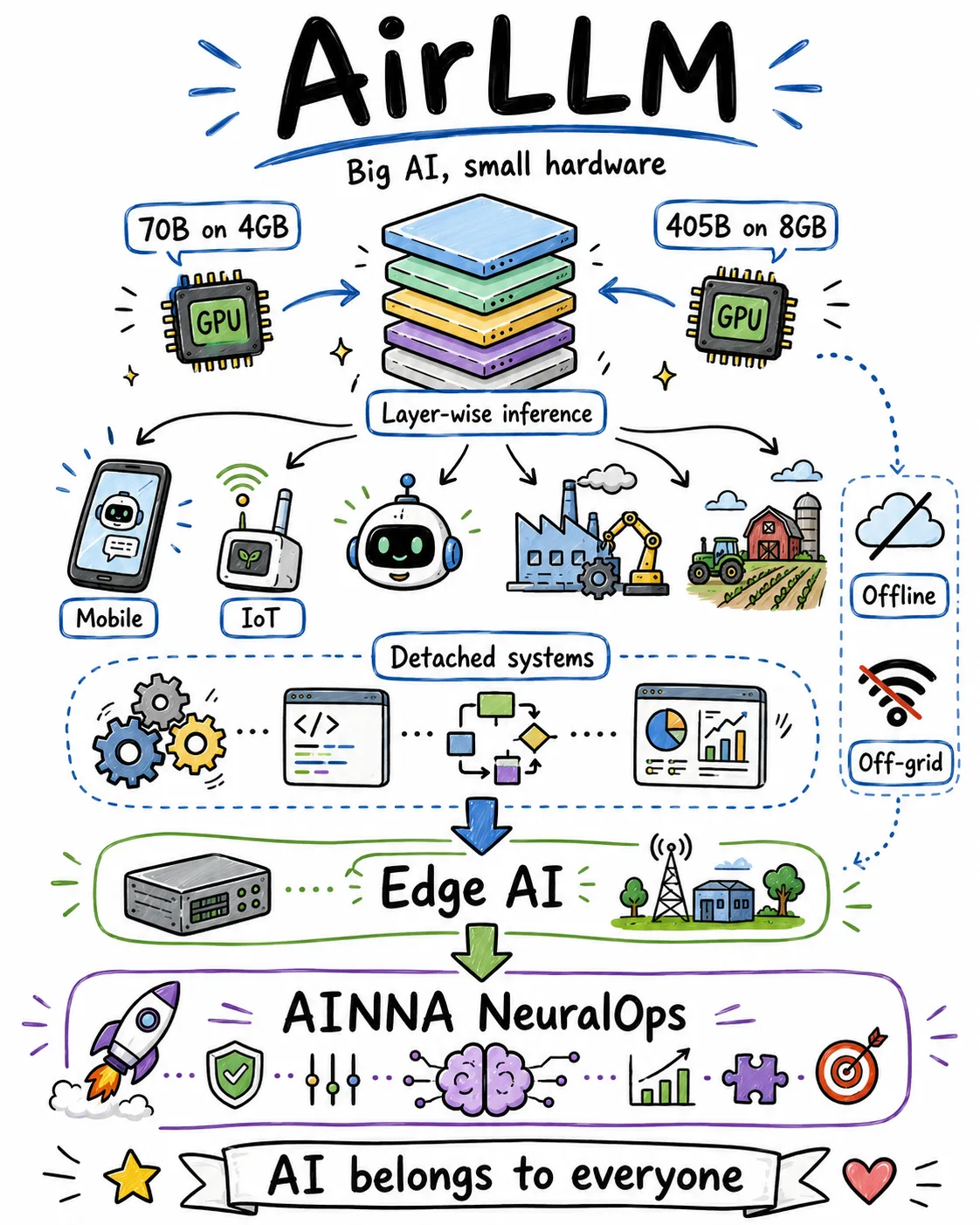
This is the real value of detached AI-IoT systems. AI is used to build, audit, troubleshoot and improve the system, while daily operation runs locally on Raspberry Pi without continuous token usage.
Less cloud dependency.
Less token waste.
Lower operating cost.
Better resilience for real-world rural operasi.
The future of AI in farming is not just about asking AI what to do. It is about using AI to build local systems that read the real world through inputs, act through outputs, and keep working even when AI is offline.