Penyelenggaraan ISO sering lebih mencabar daripada mendapat pensijilan. Selepas pensijilan, syarikat masih perlu mengekalkan rekod, menyemak prosedur, menjejak tindakan pembetulan, memantau risiko, menyediakan bukti audit, dan memastikan operasi harian terus mematuhi keperluan ISO.<\/p>
Bagi ramai PKS/PKS, cabarannya bukan kekurangan niat. Cabarannya ialah konsistensi. Dokumen mungkin disimpan dalam folder berbeza, bukti mungkin berserakan dalam e-mel atau spreadsheet, dan tindakan susulan mungkin terlalu bergantung pada individu tertentu. Apabila musim audit tiba, pasukan sering bergegas mencari apa yang sepatutnya diselenggarakan secara berterusan.<\/p>
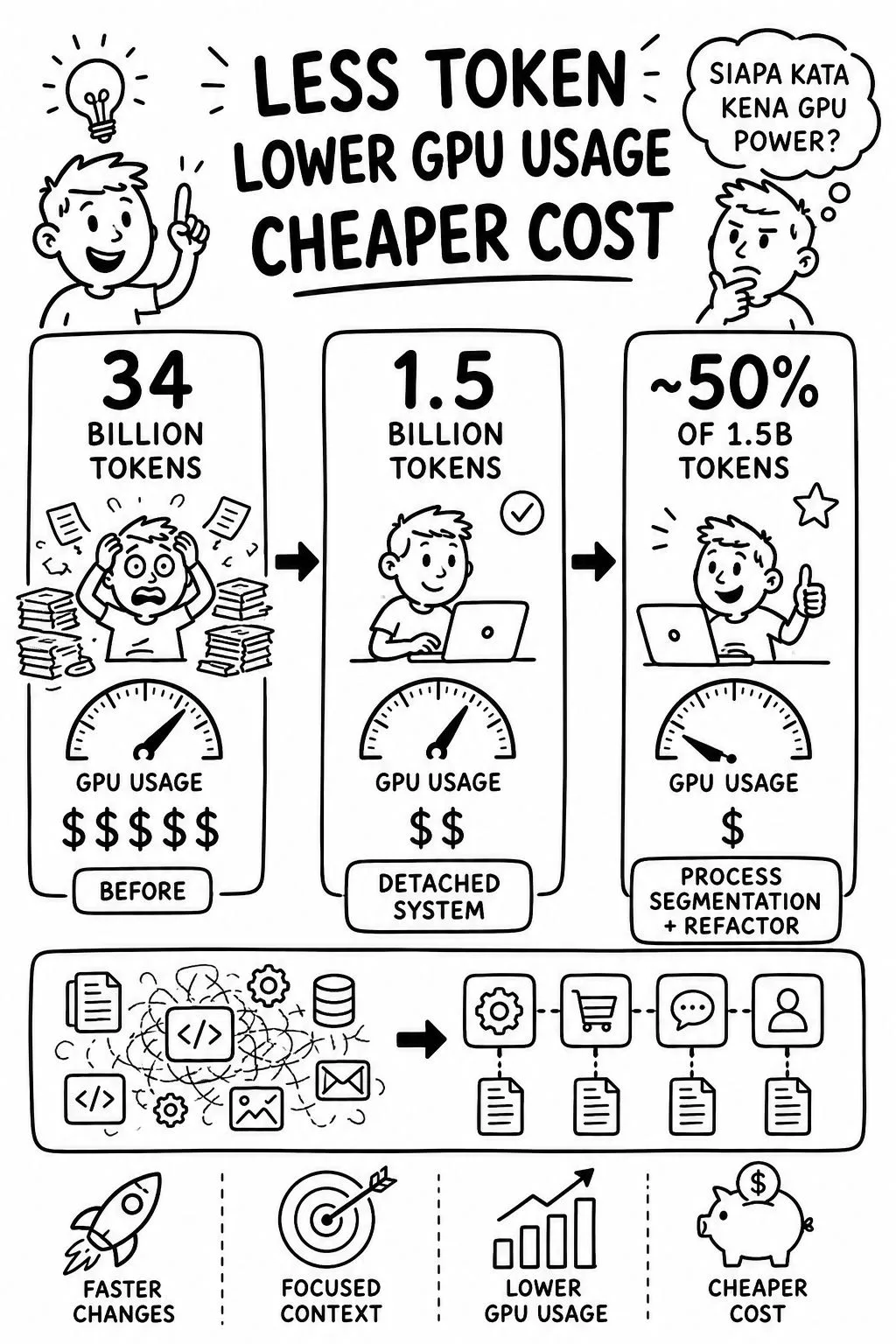
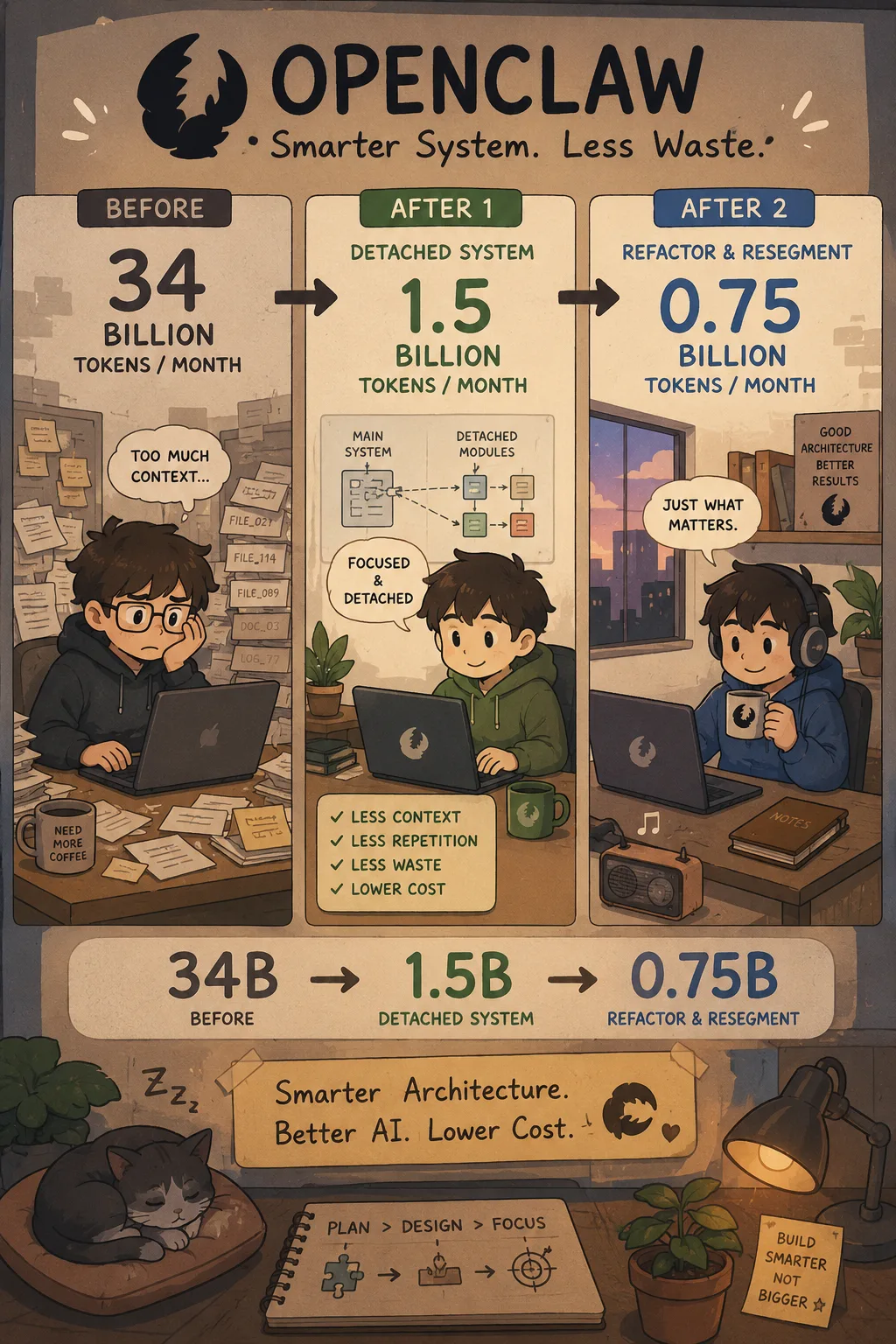
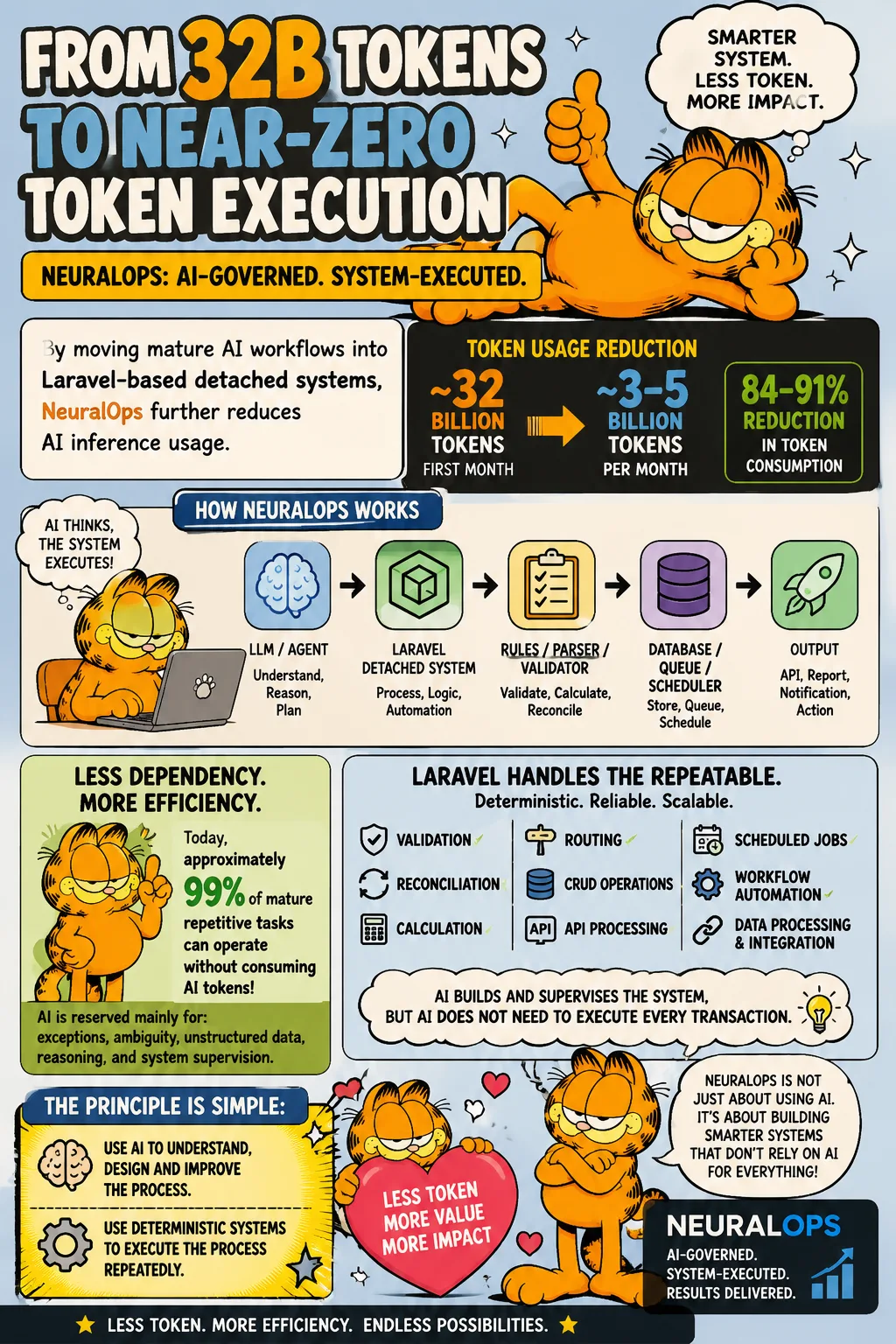
Di sinilah AI boleh menyokong penyelenggaraan ISO dengan cara praktikal. Walau bagaimanapun, AI tidak sepatutnya diperlakukan sebagai alat ajaib yang membaca segala-galanya dan menyelesaikan semuanya sendiri. Pendekatan lebih baik ialah menggunakan AI dalam detached system, di mana operasi ISO dipisahkan kepada modul lebih kecil dan lebih jelas.<\/p>
Contoh modul ISO yang boleh dipisahkan:<\/p>
Kawalan dokumen<\/p><\/li>
Audit dalaman<\/p><\/li>
CAPA<\/p><\/li>
Rekod latihan<\/p><\/li>
Daftar risiko<\/p><\/li>
Semakan pengurusan<\/p><\/li>
Bukti operasi<\/p><\/li>
Semakan SOP<\/p><\/li><\/ul>
Dengan struktur ini, AI hanya merujuk kepada seksyen relevan berdasarkan tugasan. Jika tugasan tentang CAPA, ia fokus pada CAPA. Jika tugasan tentang semakan dokumen, ia semak kawalan dokumen. Ini mengurangkan konteks tidak perlu, menurunkan penggunaan token, meningkatkan kelajuan respons, mengurangkan kos operasi, dan membantu AI bekerja dalam skop lebih jelas.<\/p>
Nilai sebenar AI dalam ISO bukan tentang menggantikan juruaudit, perunding, atau pengurusan. Ia tentang membantu syarikat mengekalkan konsistensi antara audit. Dengan detached systems, segmentasi, guardrails, dan penggunaan token terkawal, AI boleh menjadikan penyelenggaraan ISO kurang berserakan, kurang reaktif, dan lebih mudah diurus untuk operasi perniagaan harian.<\/p>
Official Cross-Rangkaian ResourceAINNA Bank Vault & Kewangan PKS Alat